History / Preservation
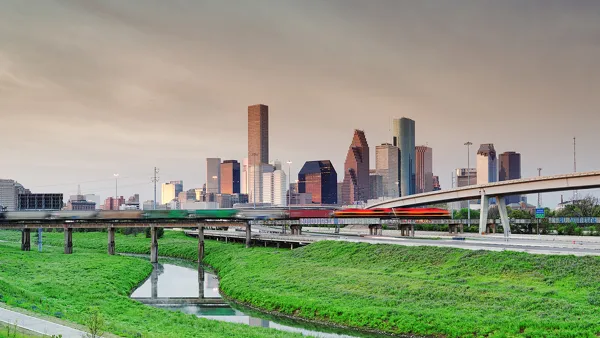
Rebuilding by Design, This Time in Houston
History shows that there's more than one way to control flooding, but the best ideas are also urban amenities.
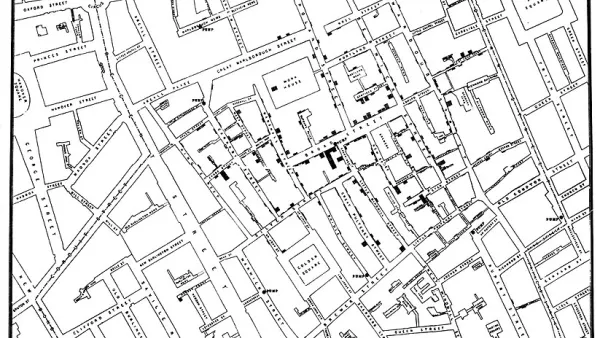
The 1854 Map That Transformed Public Health in Urban Areas
Disease mapping made a significant leap forward in the 19th century, and data scientists and geographic information scientists are still contributing to the public health field.
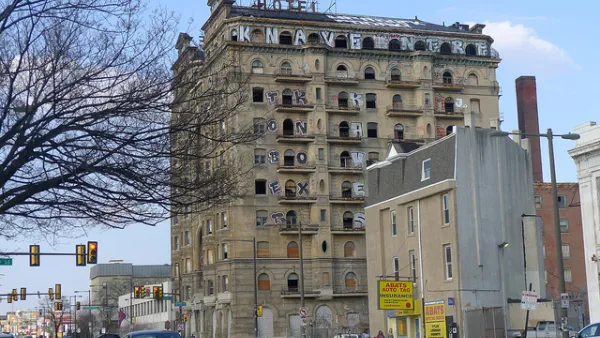
Save the Historic Tax Credit, Save Buildings in Philadelphia and Elsewhere
Renovations of historic structures in Philly are an example of the nationwide importance of the historic tax credit.
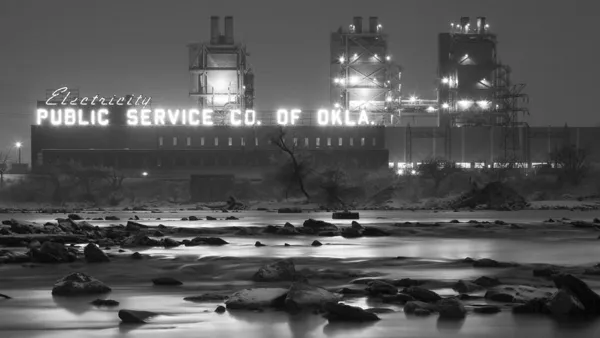
How Tulsa Beat Flooding Without Saying 'Climate Change'
An oil town in a red state proves we don't have to talk about climate change to adapt to it.

Electric Vehicle Sales Would Take a Hit With GOP's Tax Cut
The House GOP tax plan, which Trump wanted to name the "Cut, Cut, Cut" bill, was intended to cut taxes, but it's also cutting credits, like the federal $7,500 electric vehicle tax credit. How much would its elimination affect EV sales?
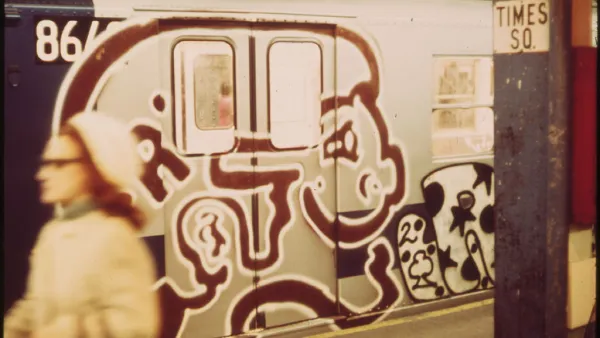
David Simon on the Uniqueness of New York
The creator of "The Wire" talks to CityLab about "The Deuce," New York City in the 1970s, and how strategies for one town won't always work for another.
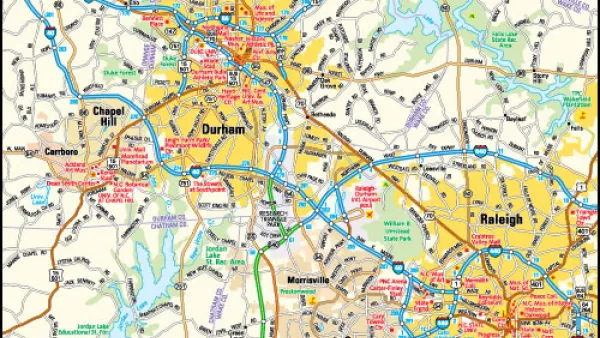
Friday Eye Candy: Highly Detailed Cold War Era Soviet Maps of the U.S.
A new book sheds light on maps created by cartographers in the Soviet Union that dove into remarkable detail about buildings, transportation networks, and other infrastructure in cities across the United States and around the world.
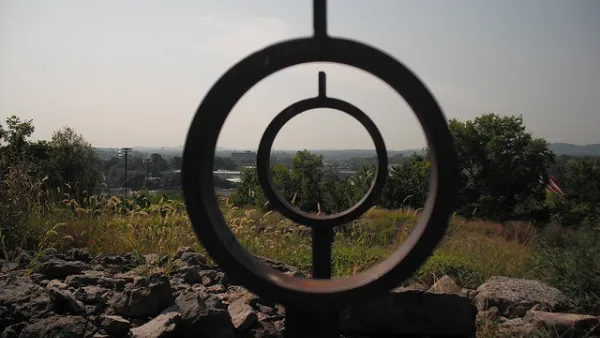
13 Cultural Landscapes At Risk of Disappearing
Threats facing major U.S. cultural sites today include development, drilling, and the federal government.
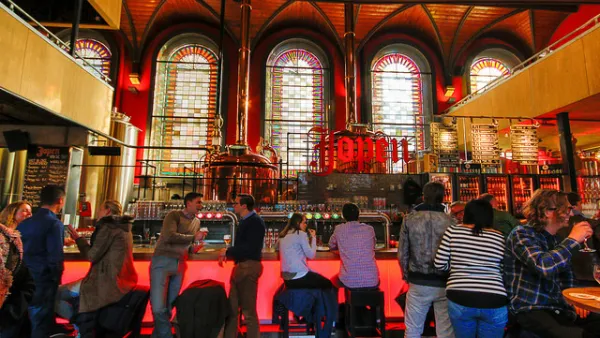
Adaptive Brew-Use
The Associated Press explores the trend of churches rebuilt as breweries.
Blight Is a Bad Word
What makes one building worth saving and another worth destroying? Strong Towns' Rachel Quednau explores the line between destruction and preservation.
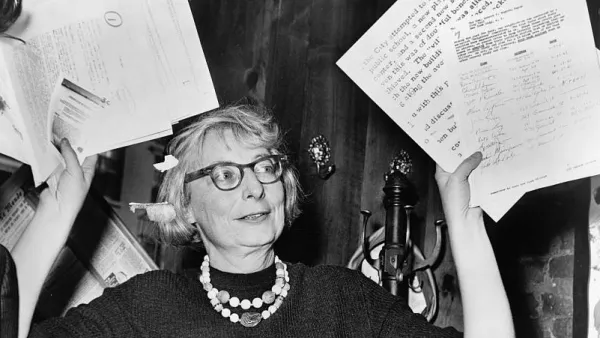
The 100 Most Influential Urbanists
These are the people that have had the most influence on the places and environments that we call home.
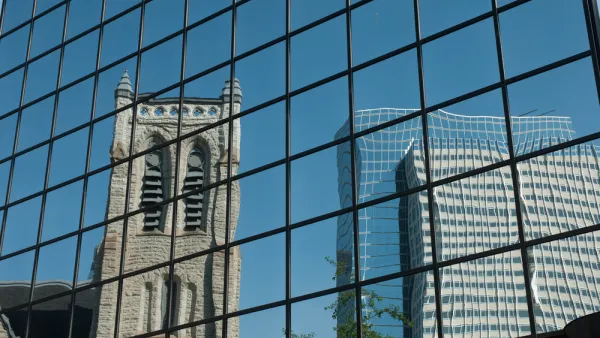
The PlanIt Podcast Explains Historic Preservation
More and more communities are including historic preservation in plan efforts. But what is Historic Preservation and what does planning for it mean? In this episode, John Smoley explains.
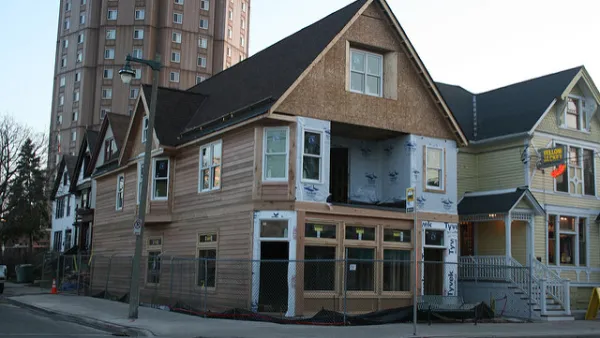
Salvaging Historic Building Materials for Job Creation and Environmental Benefit
A proposed ordinance would save derelict buildings from the wrecking ball, and send them to the salvage yard instead.
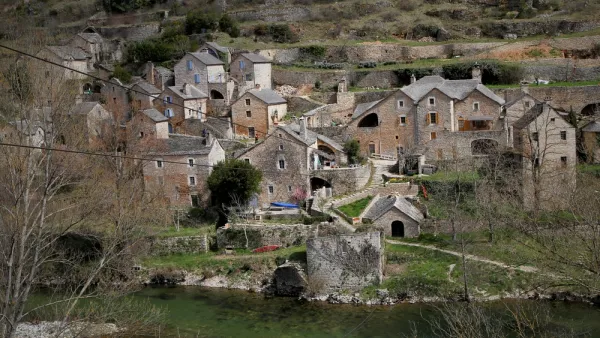
Planning Utopia: Revisiting Thomas More's Classic
In this second installment of a three-part review of Thomas More's Utopia in its 500th anniversary year, L.A. area planner Jodie Sackett looks at More's ideas for planning a Utopian city. Do More's ideas have current relevance?
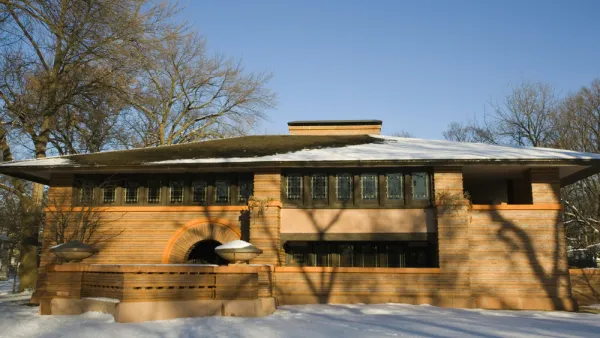
National or Regional? Finding American Identity in Architecture
In an extended discussion, Keith Eggener examines what it means for a work of architecture to be "naturally" American, and why looking at modern American styles through an intensively regional lens may be unhelpful.
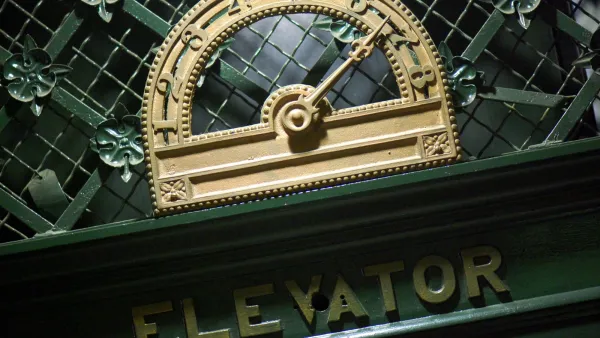
Behind Some of History's Most Powerful Urban Innovations
A series of pieces from Sidewalk Labs examines the history and context of vital urban "innovations." So far, elevators, sewers, and traffic signals have been covered.
Who Will Take This Historic Bridge Off Washington State's Hands?
Washington is seeking takers on a disused 92-year-old bridge, eligible for the National Register for Historic Places. This isn't an isolated phenomenon.

The Pros and Cons of Concrete
A versatile building material with a long pedigree, concrete also has associations with ugliness and totalitarianism. Its reinforced variety, widely used today, can conceal a costly flaw.
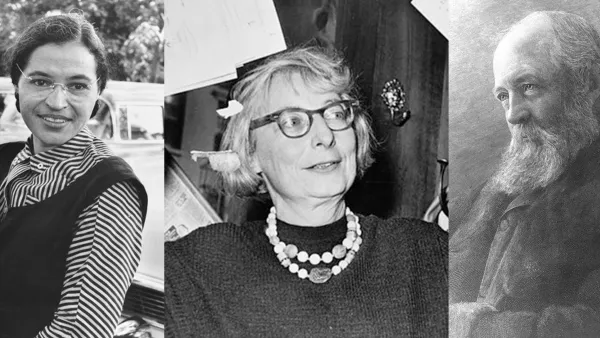
Vote for the Most Influential Urbanists
After accepting nearly 200 nominees for consideration, we're asking for votes to determine the "Most Influential Urbanists" of all time.
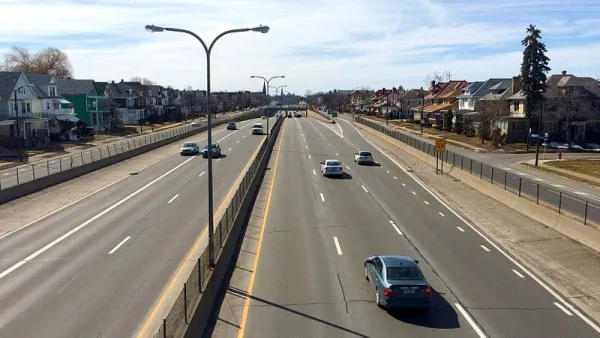
5 Beloved Architectural Creations Lost to History
If you could bring one building back from the wrecking balls of the past, what would it be?

FREE Course: Walkable City 1: Why Walkability?
After describing his path towards focusing on walkability as the essence of good planning, Jeff Speck marches through his five principal reasons for making more walkable places.
Reinventing Malls: Planning Alchemy—Turning Gray Fields Into Gold
The course focuses on the opportunities and imperatives that shape reinvention of mall sites.

Greater Baltimore Committee
Eagle County Government
Harvard University Graduate School of Design
The Architects Foundation
University of Cincinnati Online
The Pocatello Development Authority
The Urban Renewal Agency of the City of Pocatello
Journal of the American Planning Association