Environment
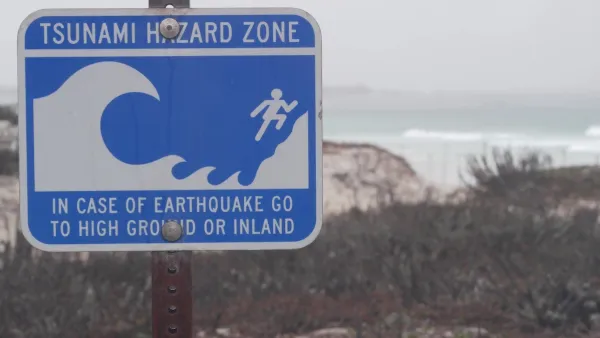
Washington State Requests Federal Funding for Tsunami Preparedness
The state’s Department of Natural Resources says it needs continued funding to map coastal areas at risk for tsunami impacts and prepare mitigation and evacuation plans.
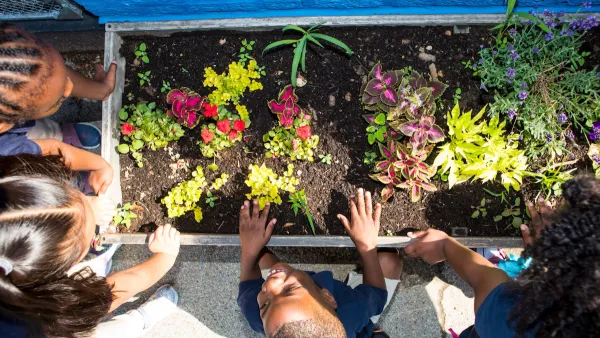
Creating More Green Schoolyards in Los Angeles
Led by the Trust for Public Land, the “28×28” Initiative seeks to green 28 schools in Los Angeles by the 2028 Olympics.
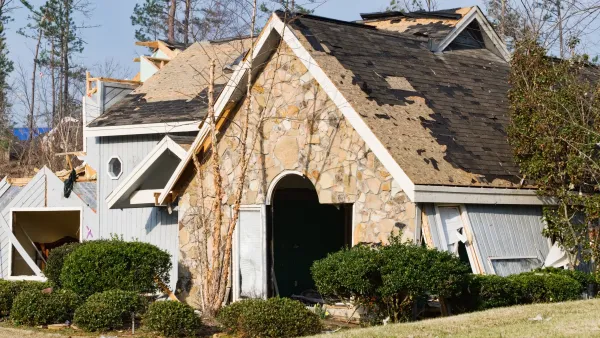
10 States Where Insurance Costs Impact Housing Affordability
Insurance companies are responding to the increasing frequency and intensity of severe weather events caused by climate change by raising home insurance premiums in high-risk states, adding another hurdle to housing affordability in the U.S.
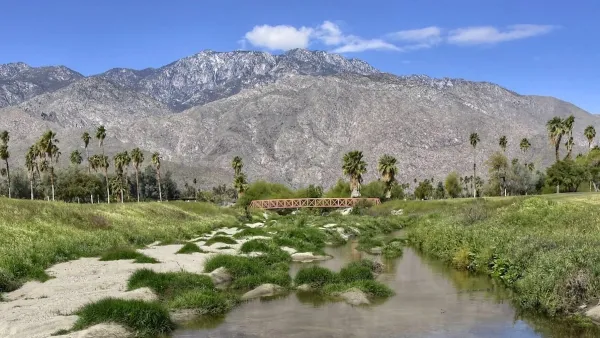
Rewilding the Golf Course
How former golf courses are being transformed from manicured lawns to vibrant habitats.
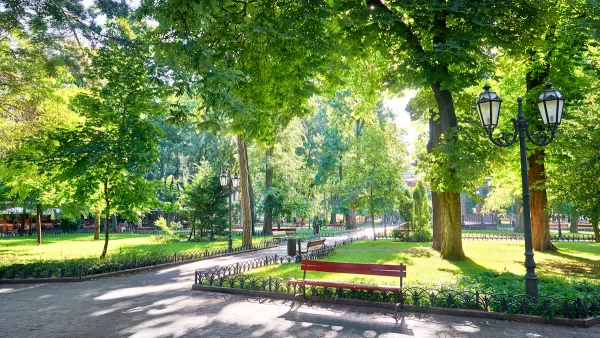
Considering Mindfulness as an Urban Planner's Tool
A recent blog post in Substack considers the appropriation of mindfulness to urban observation and, implicitly, urban planning today.
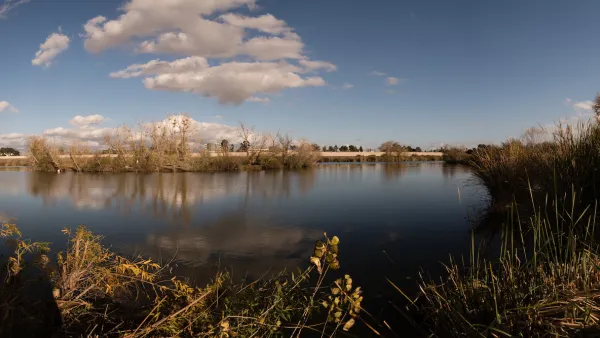
LA’s ‘Spongy’ Infrastructure Captured Almost 9 Billion Gallons of Water
The city is turning away from stormwater management practices that shuttle water to the ocean, building infrastructure that collects and directs it underground instead.
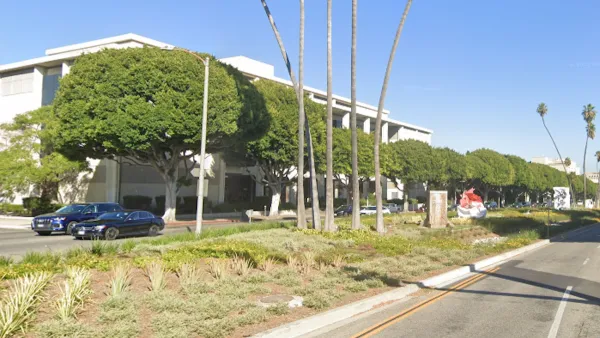
Beverly Hills Installs First ‘Green Street’
A three-block median featuring native plants and bioswales is part of the city’s broader effort to reduce water consumption and pollution.
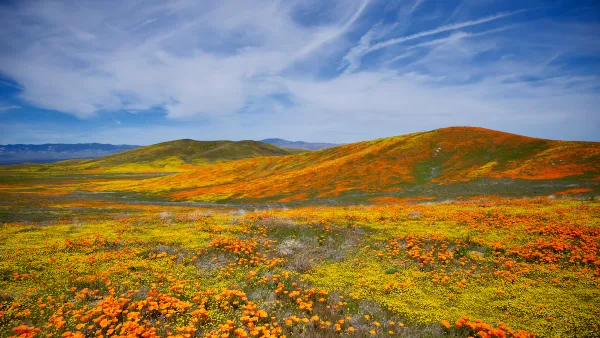
Experiencing California's Antelope Valley Poppy Reserve
Located in the western Mojave Desert, this stunning state natural reserve is renowned for its breathtaking displays of California poppies and has even been referred to as California's most beautiful place.
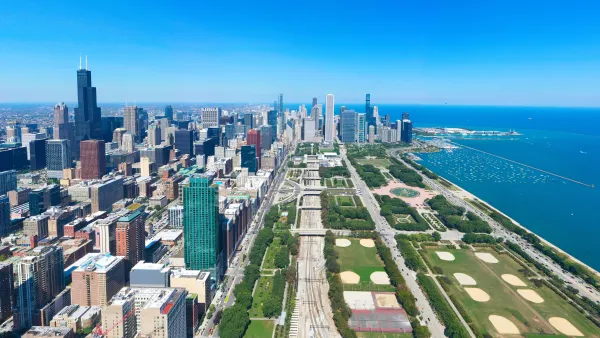
New Threat to Urban Infrastructure: Underground Climate Change
Subsurface heat islands in dense urban areas can cause buildings and infrastructure to shift, tilt, and crack, a new study finds.
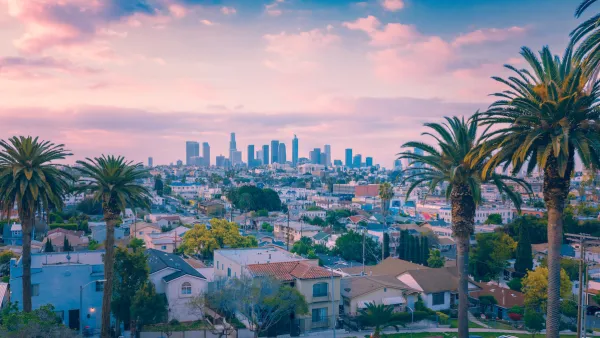
Planning for Trees in Los Angeles
The County and City of Los Angeles are working together on community engagement efforts for their Urban Forest Management Plans (UFMPs).
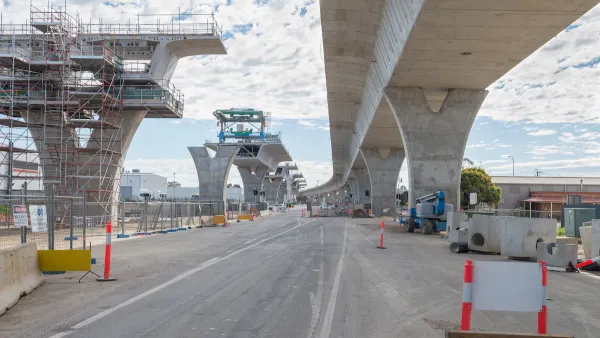
The Infrastructure Law Could Increase Transportation Emissions
With so much funding going to highway construction and expansion, the 2021 law could add 69 million metric tons of carbon to the atmosphere in the next two decades.
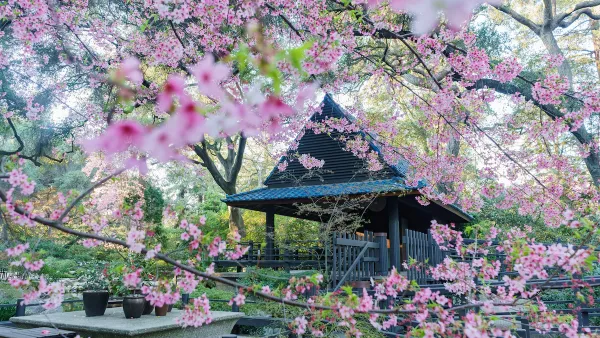
The Importance of Botanical Gardens
Southern California is home to some of the best botanical gardens around. TimeOut just released its list of the top Japanese and botanical gardens, mansion and institution gardens, and urban and hidden gardens.
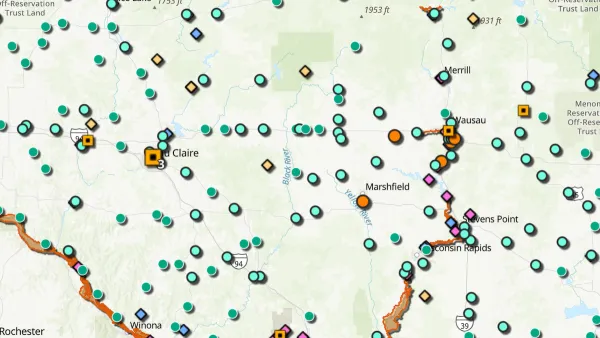
New Book Highlights How GIS Improves Outcomes
Esri Press recently published a digital book called Mapping the Nation which demonstrates how a geographic approach guides important decisions and addresses challenges around the globe.
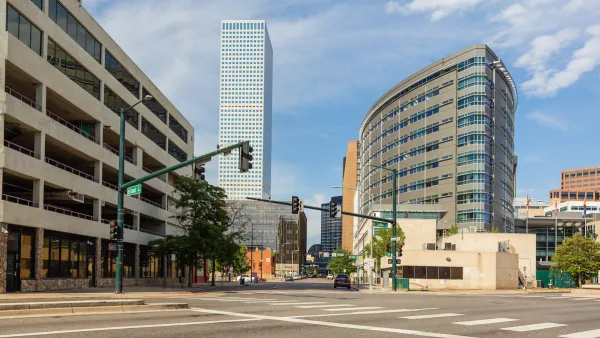
Colorado Bill Would End Minimum Parking Requirements
Supporters of the bill say eliminating parking mandates would make housing more affordable and reduce carbon emissions.
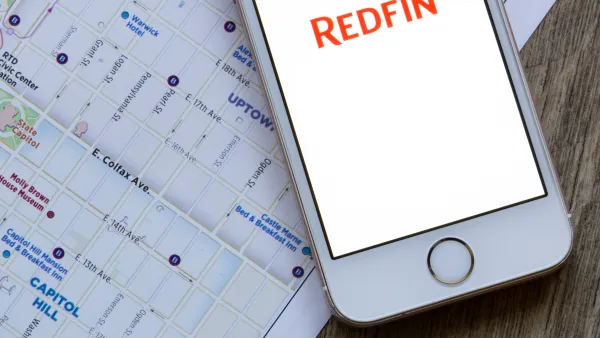
Redfin to Add Air Quality Data to Property Listings
As climate and wildfire risks grow, Redfin seems to think homeowners will soon be taking air quality scores into consideration when purchasing their next home.
The Benefits of Trees
In addition to all the economically valuable services they provide, trees are beautiful as pure aesthetic objects and a welcome presence in any landscape.
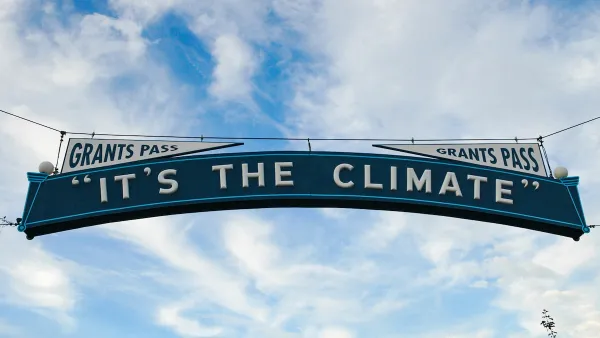
Oregon Town Seeks Funding for Ambitious Resilience Plan
Like other rural communities, Grants Pass is eager to access federal funding aimed at sustainability initiatives, but faces challenges when it comes to meeting grant requirements.
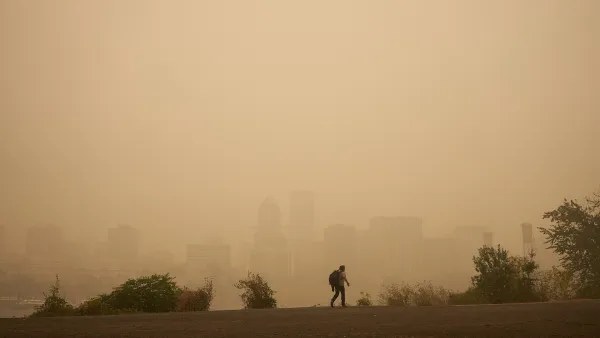
Report: 25 Percent of Americans Live With Poor Air Quality
Fires and extreme heat are generating more harmful particulate matter.
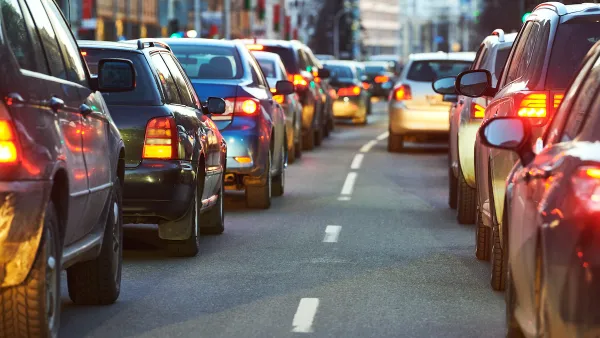
Calculating Vehicle Travel Reduction Benefits
The Rocky Mountain Institute's new Smarter MODES Calculator quantifies economic, social and environmental benefits provided by shifts from automobile travel to more resource-efficient modes. This includes benefits that are often overlooked or undervalued in conventional planning.
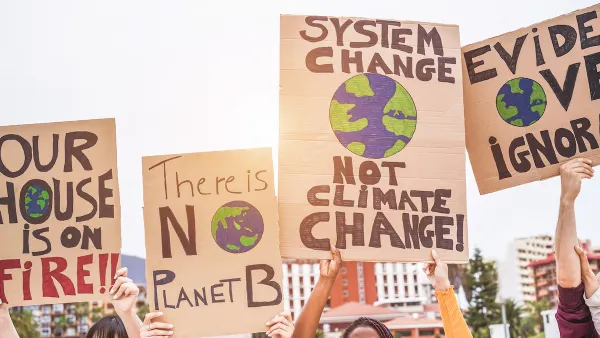
Report: 15 Percent of Americans Deny Climate Change
A new study affirms other research showing that a small but vocal minority of Americans don’t believe climate change exists.

FREE Course: Walkable City 1: Why Walkability?
After describing his path towards focusing on walkability as the essence of good planning, Jeff Speck marches through his five principal reasons for making more walkable places.
Reinventing Malls: Planning Alchemy—Turning Gray Fields Into Gold
The course focuses on the opportunities and imperatives that shape reinvention of mall sites.

Harvard University Graduate School of Design
KFH Group Inc.
Greater Baltimore Committee
The Architects Foundation
University of Cincinnati Online
The Pocatello Development Authority
The Urban Renewal Agency of the City of Pocatello