Community / Economic Development
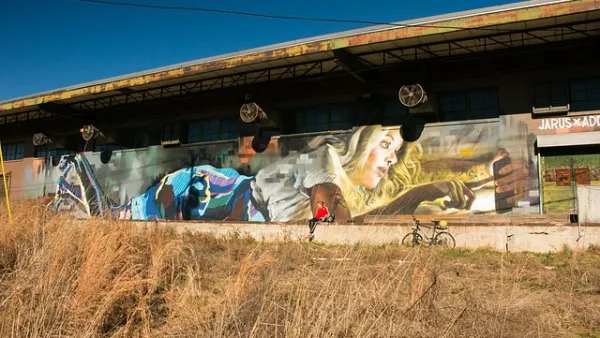
Working to Include Equity Along the Atlanta BeltLine
The tax allocation district set up to capture development value created by the Atlanta BeltLine has fallen short of its intended goals for creating and preserving affordable housing.
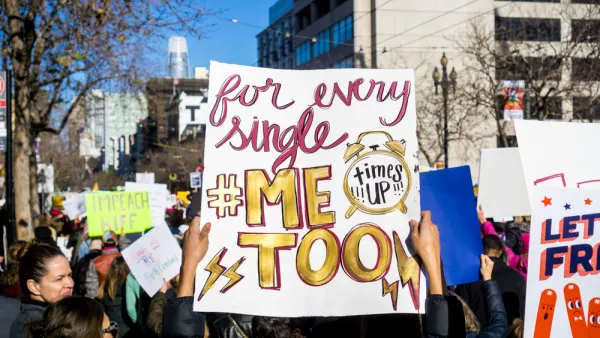
Urban Design Professor Suspended for Harassment and Intimidation
The field planning and urban design has seen relatively little in the way of controversy or consequences since the #MeToo movement gained a foothold in the public consciousness. The status quo ended this week.
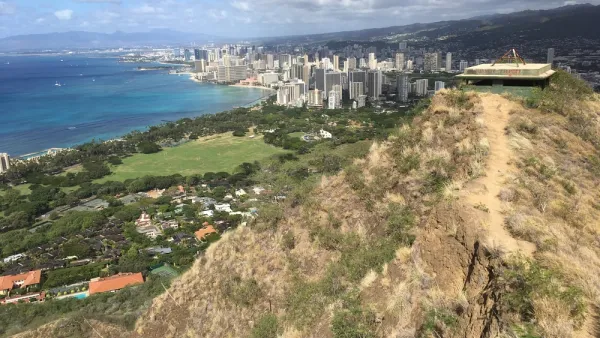
Honolulu, Pittsburgh Lead the U.S. in Livability
Honolulu and Pittsburgh have made a cottage industry of leading the United States on the quality of life index produced by The Economist.
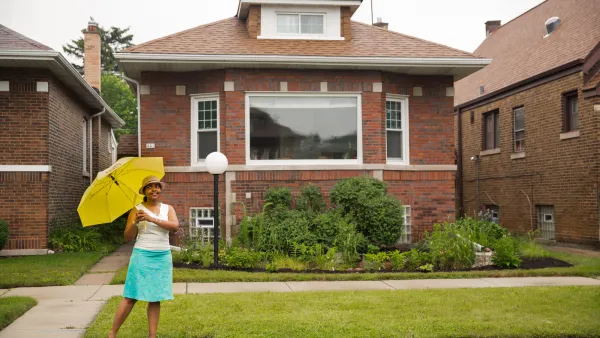
Lessons From Cities With Majority Black Homeownership
Locations with majority black homeownership have plenty to teach about closing the country's home ownership gap.
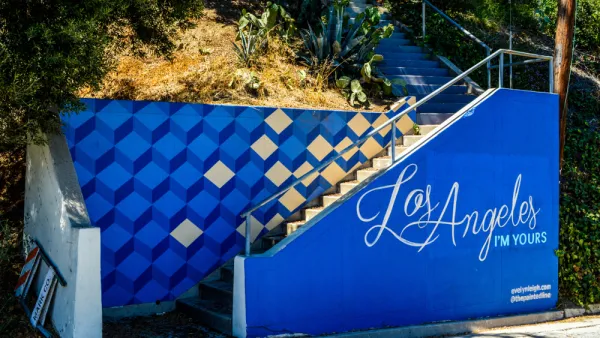
A Stroll With Los Angeles' Own 'People Walker'
A cartoon strip captures the essence of Chuck, the creator of The People Walker in Los Angeles.
Hollywood Welcomes Carbon Neutral Complex Amid Revitalization
Kilroy Realty Corp. has broken ground on Academy on Vine, a long-anticipated campus of offices, apartments, and stores in the heart of Hollywood.
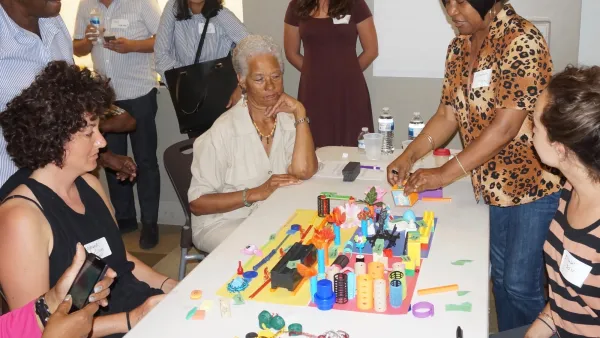
Empowered Through Design: How a Purposefully Rudimentary Activity Sparks the Imagination
Memory can be an intensely powerful tool when planning for the future.
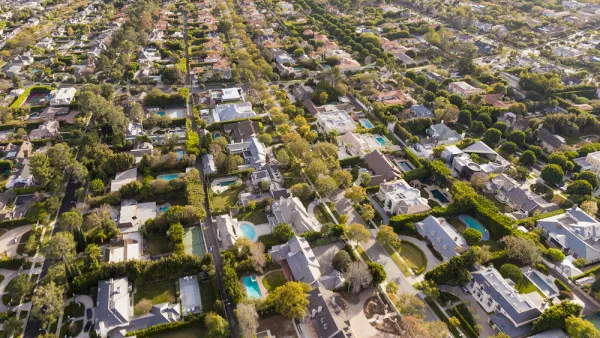
Trulia's New Feature Shows How Much Home Buyers Care About Location
Real estate site Trulia has launched a new tool that acts as a one-stop shop for information on neighborhoods.
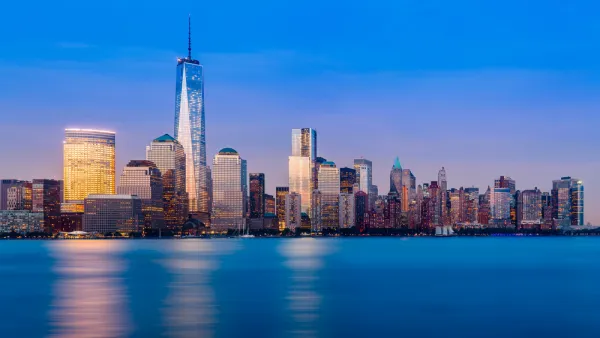
Lack of Affordable Housing Could Stunt New York's Economic Growth
Concern about the city's supply of affordable housing is one of the key messages from the recent "geography of Jobs" report published by the New York Department of City Planning.
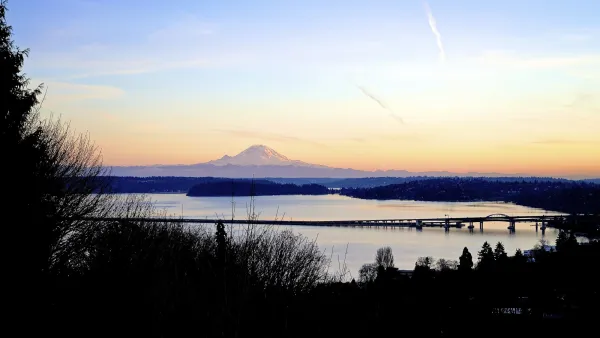
How Setting Makes a Place: A Seattle Retrospective
Chuck Wolfe reflects on his rapidly changing hometown, arguing that Seattle’s signature location and setting—however rearranged by the regrades of the past, Freeway Park, or a pending James Corner-led waterfront remake—remains for all to see.
Anchorage Officials Take on Code Scofflaws After Decade of Inaction
Anchorage officials have started to take a more assertive effort toward the clean up of nuisance buildings and properties that have become magnets for crime and other problems. This is the first clean-up of this scope since 2007.
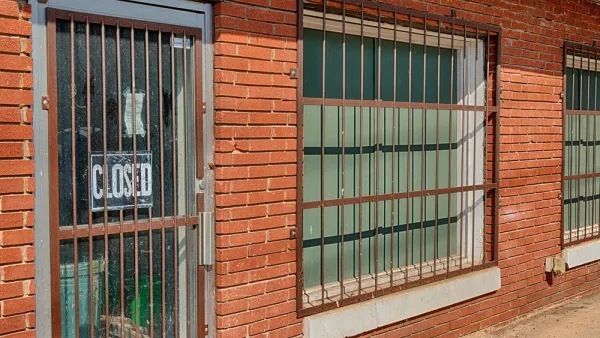
Chicago Considering a 'Pop-Up' Storefront Program
The new program would allow short-term use of vacant properties, and provide new incubation capabilities to small, start-up businesses.
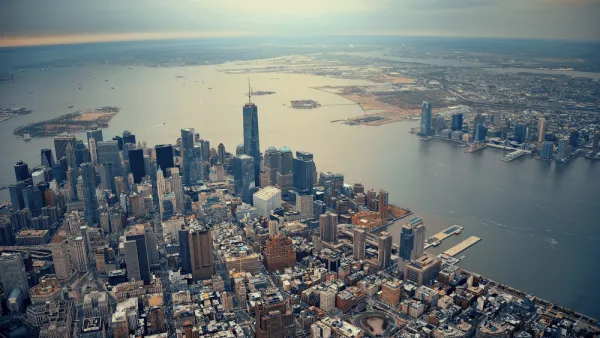
NYC Planning Director Marissa Lago Touts Regional Planning
Marisa Lago pens in an opinion piece supporting a regional approach to planning, timed for the release of a new "Geography of Jobs" report.
Delivering Food to the Rural Poor with a Rolling Food Bank
Food banks in urban settings have long served communities in urban areas, now mobile food banks can truck food to the poor in sparsely populated counties.
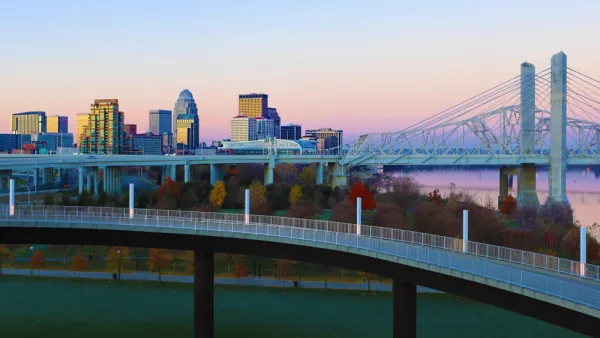
Seeking 'Opportunity Zones' Investments
The city of Louisville is making the most of the Opportunity Zone program in the early stages of the new federal program.

San Francisco Could Zone Out Workplace Cafeterias
Large corporations providing on-site cafeterias are considered a threat to local restaurant business.
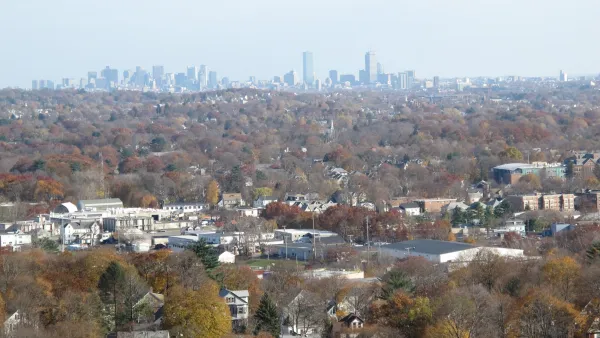
Housing Crunch Provokes Debate in Boston Suburb
The city of Waltham, Massachusetts has added over 11,000 jobs since 2010, but only a few hundred homes. Developers see a prime opportunity, but city officials are reticent.
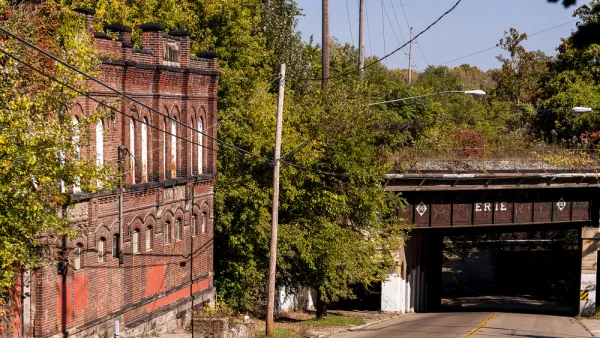
Optimism and Investment, Not 'Managed Decline," for the Rust Belt
Managed decline assumes that struggling cities will continue to struggle indefinitely. Is there a better way to plot neighborhood stabilization?
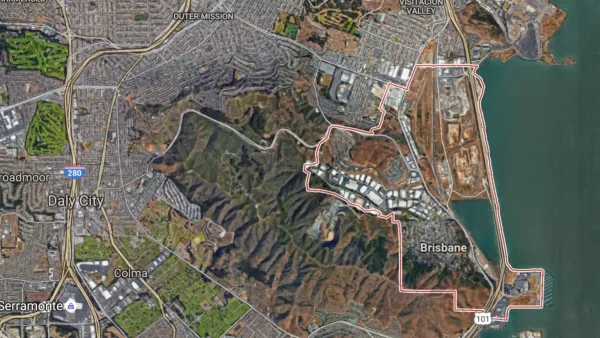
San Francisco Suburb to Vote on Massive Project to Double Population
Brisbane, a city of about 4,700 on the southern border of San Francisco, will vote on a controversial ballot measure in November to approve or reject a mixed-use development including up to 2,200 residential units on a 660-acre vacant brownfield.

Greening Vacant Lots Improves Depression
According to new reaearch, the power of green space where vacant lots previously stood includes mental health benefits, especially in low-income neighborhoods.

FREE Course: Walkable City 1: Why Walkability?
After describing his path towards focusing on walkability as the essence of good planning, Jeff Speck marches through his five principal reasons for making more walkable places.
Reinventing Malls: Planning Alchemy—Turning Gray Fields Into Gold
The course focuses on the opportunities and imperatives that shape reinvention of mall sites.

City of Rosemead
Rutgers University, Edward J. Bloustein School of Planning and Public Policy
One Hundred Miles
University of Michigan School for Environment and Sustainability (SEAS)
Hunter College, City University of New York (CUNY)
The Architects Foundation
City of Cambridge
Montrose County
The Pocatello Development Authority









