'Managing the Magic of Old Places' offers a new vision for preservation that maintains its relevance while prioritizing the lived experience of residents of historic places.



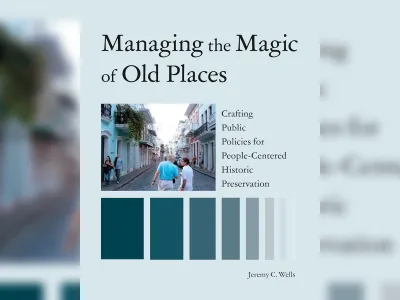
In "Managing the Magic of Old Places", Jeremy Wells delivers a compelling critique of the traditional frameworks that govern historic preservation in the United States. For decades, the field has been anchored by an orthodox doctrine developed by a narrow group of mostly white, highly educated male experts through a top-down approach. This led to prioritizing architectural purity over the lived experience of the actual residents of a place. Wells argues that this detachment has created a widening gulf between professionals and the communities they serve, threatening the long-term relevance of preservation itself.
The core of the book lies in its call for a "people-centered" overhaul of the historic preservation process. By drawing on environmental psychology and phenomenology, Wells explores the "magic" of historic places — that intangible, emotional and experiential connection people form with old buildings and landscapes. He moves beyond the technical merits of a structure to examine why certain places resonate with the public on a psychological level. This interdisciplinary approach provides a robust academic foundation for what many laypeople intuitively feel: that a sense of place is vital to human well-being.
Wells does not just identify the problem; he offers a bold, actionable agenda for reform, advocating for community-based participatory practices that empower everyday people to define what is "historic" and why it matters. By integrating social science into public policy, "Managing the Magic of Old Places" provides a roadmap for creating more inclusive and resilient historic preservation methods. During the Booked on Planning podcast interview, Wells goes further to outline how academia is not setting the field up for success and argues that more integration of planning practice in historic preservation, and vice versa, is needed.
Further, Wells’ analysis of the "decayed" and "imperfect" is particularly enlightening. While traditional preservation standards often demand rigorous restoration to a specific period of significance, Wells highlights the inherent value of the patina of time. He suggests that the visible layers of history — even those that appear worn or altered — contribute to a sense of authenticity and "magic" that a pristine, museum-like restoration cannot replicate. This perspective encourages a more flexible and sustainable approach to managing the built environment, allowing old places to evolve naturally alongside the communities that inhabit them rather than needing to be frozen in time.
This is a unique read for anyone involved in urban planning, land use law, or heritage conservation. Wells successfully bridges the gap between high-level theory and practical policy, making a persuasive case that the future of our historic environments depends on our ability to embrace our vibrant, messy and deeply personal relationships with old places. It challenges us to rethink not just what we save, but why and who we are saving it for.

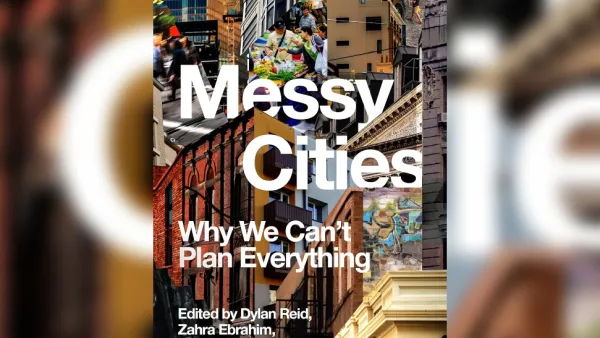
Mess Might Just be the Secret Weapon That Planners Forgot
In “Messy Cities: Why We Can’t Plan Everything” 43 writers from around the world sing the praises the gentle chaos that exemplifies a thriving metropolis.

Evidence-based planning in a time of information overload
The field of academic publishing has become complex and crowded. What does it mean for urban planners?
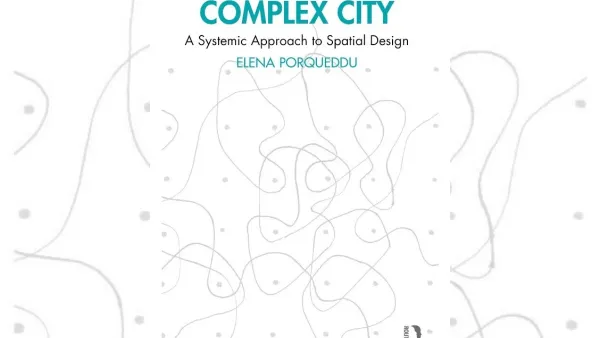
A much-needed revamp of the best way to approach design
Book review: “Designing the Complex City: A Systemic Approach to Spatial Design” translates complex theory into actionable tools for planners, architects and more.

Planetizen Federal Action Tracker
A weekly monitor of how Trump’s orders and actions are impacting planners and planning in America.

Data reveals that NYC’s bet on congestion pricing has paid off
After almost two years of the program, reports show positive impacts on traffic and air quality and no disruptions to parking.

HUD modernizes 50-year-old manufactured housing framework
The Next Generation Manufactured Housing Action Plan establishes new energy-efficiency standards for manufactured homes, and new guidelines for anchoring them.

Developers sue Mississippi landowners who object to pipeline through their land
Because the Federal Energy Regulatory Commission approved the pipeline project, the developer can use private land without the consent of the owner.

A gas leak in NYC is costing residents $300 million
More than 90% of NYC’s electricity is from natural gas. About 2% of that gas is leaking and escaping into the air.

CA officials have the power to fix the state’s riskiest dams. They’ve never used it
California’s 40 most hazardous dams would endanger up to 1.5 million people if they failed.

FREE Course: Walkable City 1: Why Walkability?
After describing his path towards focusing on walkability as the essence of good planning, Jeff Speck marches through his five principal reasons for making more walkable places.
Reinventing Malls: Planning Alchemy—Turning Gray Fields Into Gold
The course focuses on the opportunities and imperatives that shape reinvention of mall sites.

One Hundred Miles
County of Mendocino
planning NEXT
The Architects Foundation
University of Cincinnati Online
Montrose County
Northern Illinois Transit Authority (NITA)
The Pocatello Development Authority

