The Federal Highway Administration may put an end to rules mandating wide lanes and "clear zones," making it easier to implement complete streets.


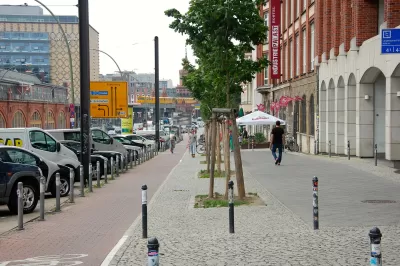
A set of "outdated" rules currently guides street construction, taking inspiration from what works on highways. "In what appears to be a major breakthrough, yesterday the Federal Highway Administration [FHWA] proposed rule changes that will allow cities and towns to more easily design streets in a way that's consistent with an urban setting," according to Angie Schmitt.
The existing rules are a source of delay and frustration when it comes to implementing safer complete street designs. "The FHWA may drop 11 of the 13 design requirements that currently apply to streets in the National Highway System designed for speeds below 50 miles per hour. In place of requirements that dictate things like street width and clear zones, FHWA is encouraging engineers to use judgment and consider the surroundings."
"If the proposed changes are approved, local governments would no longer have to deal with a ton of red tape any time their plans deviate from the highway-inspired standards. As it stands, exemptions are often required if planners want to plant street trees, for example, or reduce vehicular lane widths to fit in bike lanes."
Read the full story: Feds Propose Major Rule Changes to Eliminate Barriers to Safer Streets

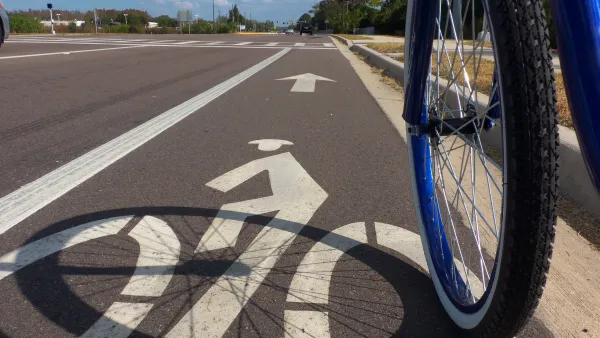
Federal Rule Changes Remove Obstacles to Multi-Modal Streets
The Federal Highway Administration (FHWA) made official a set of rule changes that overthrow an old way of thinking about street design.
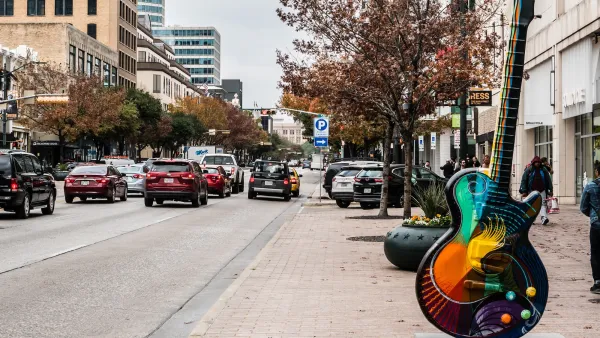
Austin Kicks off Multimodal Congress Avenue Redesign
The Congress Avenue Urban Design Initiative is bringing new pedestrian infrastructure and ‘storefront activation zones’ to the popular street.
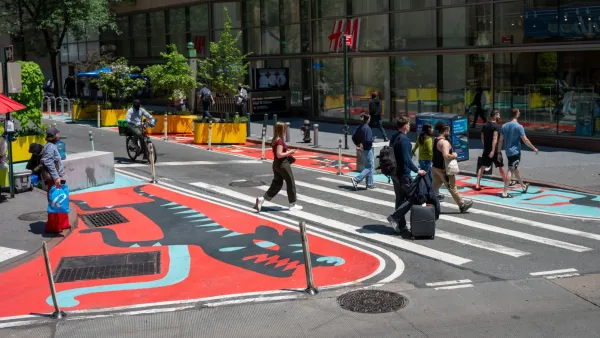
See Downtown Brooklyn’s Dramatic Complete Streets Transformation
A streetscape redesign spearheaded by the Downtown Brooklyn Partnership has quickly made many of Brooklyn’s streets unrecognizable.

Amtrak, CN end decades-long dispute with eight-year agreement
The new operating agreement establishes an updated framework for the companies to work together, including processes to resolve disputes.

Judges permit Denver to divert 77,000 acre feet from the Colorado River for reservoir expansion
Overuse and climate change have caused the Colorado River’s water levels to plummet.
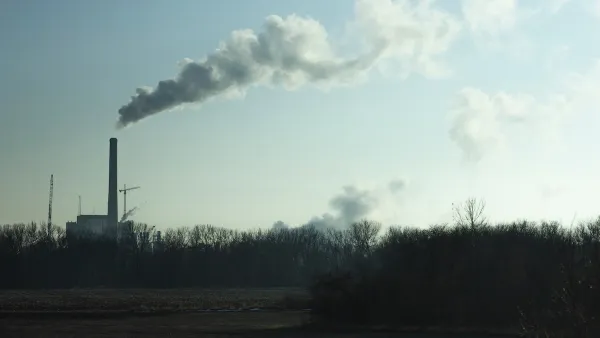
Nation's most wind-powered state turns to coal as data centers increase energy demand
For the first time in decades, Iowa has increased its generation of coal power.

Boston has spent millions making the Green Line more accessible — and there’s no end in sight
While the city has invested millions into expanding and adding platforms to the Green Line to make it more accessible, new train cars set to arrive next year will be too tall for disabled passengers to board without raising the current platforms.

Idaho may see an 18% drop in federal surface transit funding — the largest estimated cut in the US
Transit systems in rural communities are much more reliant on federal funding to provide their services.

How ‘post-disaster gentrification’ alters neighborhoods after natural calamities
After hurricanes, fires or other calamities, the original residents of a community are often replaced by younger, wealthier residents.

FREE Course: Walkable City 1: Why Walkability?
After describing his path towards focusing on walkability as the essence of good planning, Jeff Speck marches through his five principal reasons for making more walkable places.
Reinventing Malls: Planning Alchemy—Turning Gray Fields Into Gold
The course focuses on the opportunities and imperatives that shape reinvention of mall sites.

City of Wisconsin Rapids
Harvard University Graduate School of Design
KFH Group Inc.
The Architects Foundation
University of Cincinnati Online
The Pocatello Development Authority
The Urban Renewal Agency of the City of Pocatello