A proposal to cut the gas tax by 21 percent would dig a huge hole in the state's transportation budget. It comes from a requirement in 2010 fuel tax swap legislation that doubled the excise tax while reducing the sales tax on gas by 6 percent.


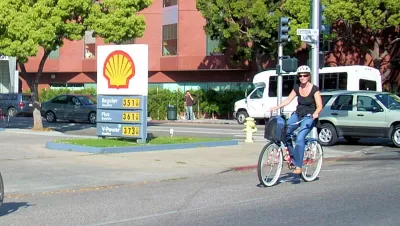
In essence, because gasoline prices plummeted from last summer, dropping over $1 a gallon, the Board of Equalization (BOE) is tasked with maintaining the same level of gas tax revenue as had the sales tax and excise tax not been changed almost five years ago. The higher excise tax and lower sales tax has increased tax revenue, which BOE needs to address.
"The Board of Equalization released a proposal on Friday [Feb. 13] to reduce the per-gallon tax Californians pay on regular gas by 7.5 cents per gallon, a 21 percent cut from the current 36-cent excise tax," writes Jonathan Horn, economics reporter for U-T San Diego. "The new rate of 28.5 cents per gallon could be approved Feb. 24 and take effect July 1, the start of the 2015-16 fiscal year."
The board has been charged with setting the excise tax rate under a complex system approved in 2010 by the state legislature and then-Gov. Arnold Schwarzenegger called the fuel-tax swap. The system allowed the state to take some money away from fixing roads to put toward future appropriations. To do this, California reduced the sales tax rate from 8.25 percent to 2.25 percent, and then made up for it by nearly doubling the excise tax rate from 18 cents per gallon to about 35 cents per gallon.
Horn describes the mechanics of adjusting the excise tax and history of gas tax revenue, which is tied to gasoline prices and consumption. "The excise rate is set to replace exactly what was lost under the old sales tax system," said Steve Gill, a professor of accountancy at San Diego State University. "In the short run, the tax can differ due to price estimates being off but it is required to be reconciled the next year."
The latest proposed rate represents a whirlwind for the fuel tax swap. Two years ago, the board increased that tax from 36 cents per gallon to 39.5 per gallon. Last year, the board lowered the excise tax rate back to 36 cents per gallon. The topsy turvy nature of the system has led to some Board of Equalization members to call the system a scheme, urging the state legislature to change systems. So far, there has been no action taken. [See BOE fuel tax chart (PDF)]
In Gov. Jerry Brown's inaugural address last month, one of the three infrastructure priorities he mentioned was tackling the enormous $59 billion problem of deferred highway and bridge maintenance. Reducing current gas tax revenue will not be helpful toward meeting that goal.
Read the full story: State proposes 21 percent gas tax cut
State Gas Tax Update: One Up, One Down
This has been an eventful week for gas taxes. To update two posts that appeared recently, Gov. Terry Branstad of Iowa signed legislation that increases the gas tax by 10-cents on March 1. In California, a board voted to decrease the tax by six cents.
ICYMI: 12 States Hiked Gas Taxes on Monday
On July 1, Illinois and Ohio increased gas taxes by double digits: 19 cents per gallon and 10.5 CPG, respectively, followed by California at 5.6 CPG, all due to legislation passed this year or in 2017. Diesel tax hikes were even higher.
California's Gas Tax Continues to Plummet
Last February, the state Board of Equalization voted to reduce the gas tax by 6-cents. On Tuesday, it voted 3-2 to continue the decrease by 2.2 cents. The vote is required by an arcane rule that translates into tax *decreases when gas prices fall.

Planetizen Federal Action Tracker
A weekly monitor of how Trump’s orders and actions are impacting planners and planning in America.

California plans to bury El Niño’s downpour
If the state plays its cards right, it may be able to store a billion acre-feet of El Niño’s water in aquifers.

Desperate measures: Advocates weigh draining Lake Powell to fill Colorado River
Draining the reservoir could reduce evaporation losses by a couple hundred thousand acre-feet.

Chicago voters approve permanent festival grounds, penalty for vacant property owners
Currently, major summer and fall festivals take over public parks for weeks at a time, drawing criticism from nearby residents

NYC votes to cut outdoor dining red tape, speed up permitting
New York City also voted to allow the Department of Transportation to begin work on urgent projects before notifying elected officials.

California appears to reject Prop. 45
The proposition would have expanded the projects that qualify for a streamlined environmental review, effectively paring down the California Environmental Quality Act.

FREE Course: Walkable City 1: Why Walkability?
After describing his path towards focusing on walkability as the essence of good planning, Jeff Speck marches through his five principal reasons for making more walkable places.
Reinventing Malls: Planning Alchemy—Turning Gray Fields Into Gold
The course focuses on the opportunities and imperatives that shape reinvention of mall sites.

City of Rosemead
Rutgers University, Edward J. Bloustein School of Planning and Public Policy
One Hundred Miles
Hunter College, City University of New York (CUNY)
The Architects Foundation
University of Cincinnati Online
City of Cambridge
Montrose County
The Pocatello Development Authority