United States

USDOT Unveils Strategies to Achieve Near-Zero Transportation Emissions
Three key strategies — reducing travel distances, increasing energy-efficient travel modes, and transitioning to zero-emission vehicles and fuels — are recommended to meet national climate goals under the Paris Agreement.

$127 Million Allocated to Clean Up Orphaned Wells in Five States
The funding will be used to plug orphaned oil and gas wells, addressing environmental hazards, creating jobs, and advancing environmental justice as part of a larger effort funded by the Bipartisan Infrastructure Law.
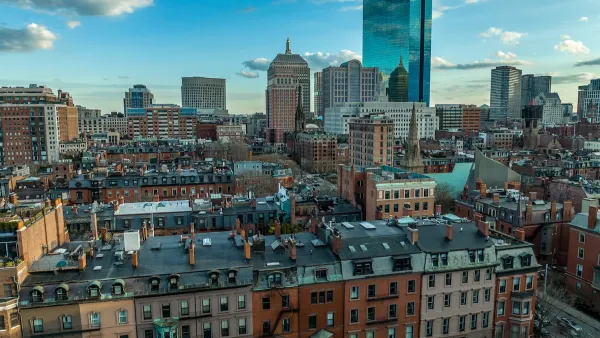
Cincinnati Eviction Prevention Program Shows Mixed Results
In 2019, a large affordable housing operator implemented a unique program meant to reduce evictions across its properties. Several years, one pandemic, and an economic downturn later, we check in to see how the landlord — and the tenants — are faring.
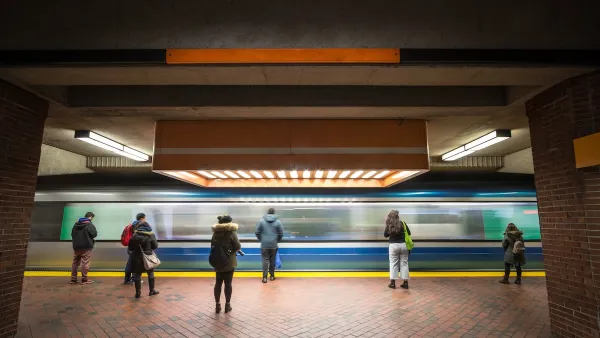
US Transit Leaders Outline Current Challenges
Public transit providers still face budget gaps, staffing shortages, and challenges acquiring clean-energy vehicles.
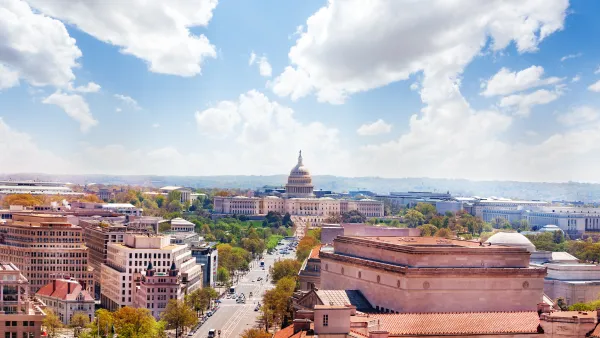
Opinion: TOPA Needs Capital to Succeed
TOPA helps prevent displacement and build tenant power in Washington, DC. Affordable capital is critical to its success.

Federal and State Responses to Extreme Heat
Governments are mobilizing resources to address the impacts of longer and more intense heat waves on public health and infrastructure.

Strength in Diversity: Crafting an Affordable Housing Coalition in Cincinnati
The city’s longtime champions of housing for low-income residents joined forces with an array of allies to establish a sustainable source of funding for affordable housing.
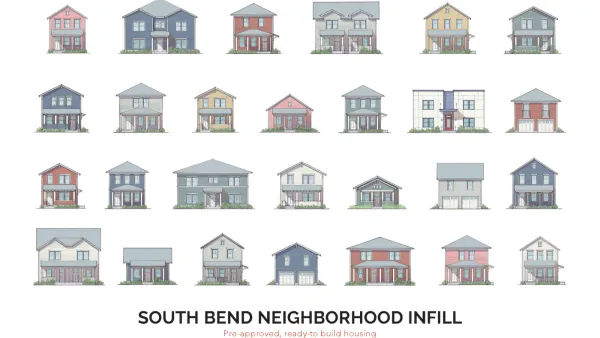
Top 10 Tips for Cities Considering Pre-Approved Housing Plans
Pre-approved housing plans aren't just for small single-family homes, duplexes, and townhouses. In fact, they can play a key role in spurring the delivery of missing middle housing at a variety of sizes and price points.

The Case for EVs in Rural Areas
Many rural households could benefit from the cost savings of electric cars for everyday trips.
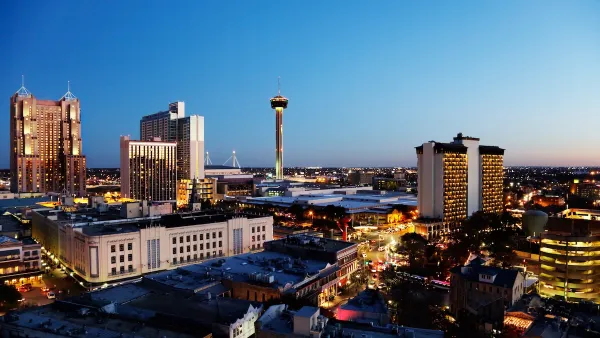
Public Housing at a Crossroads
Housing authorities in cities like San Antonio are turning to public-private partnerships and mixed-income development, but do these projects exclude the households who need housing assistance most?
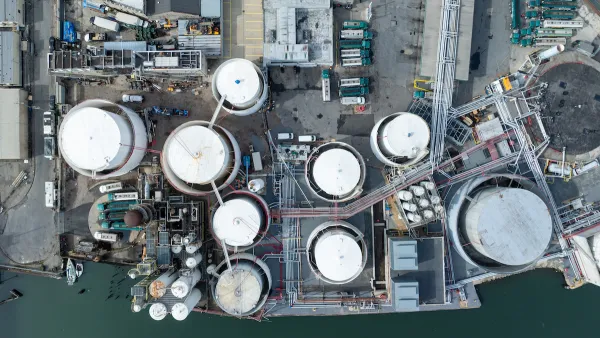
Climate Change Putting Coastal Infrastructure at Risk
More than 1,000 coastal facilities could flood as often as once a month as sea levels rise, according to a study from the Union of Concerned Scientists.
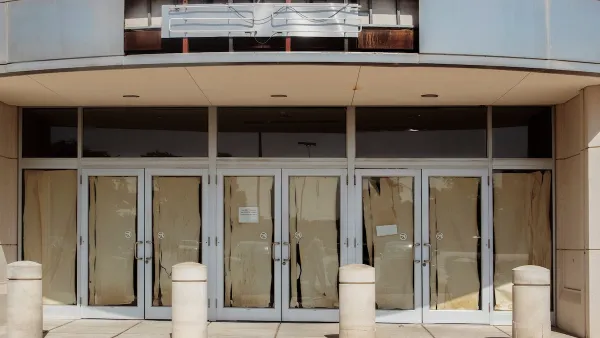
How to Repurpose Vacant Storefronts
Loosening restrictions on clean light manufacturing can revive dormant storefronts and revitalize communities.
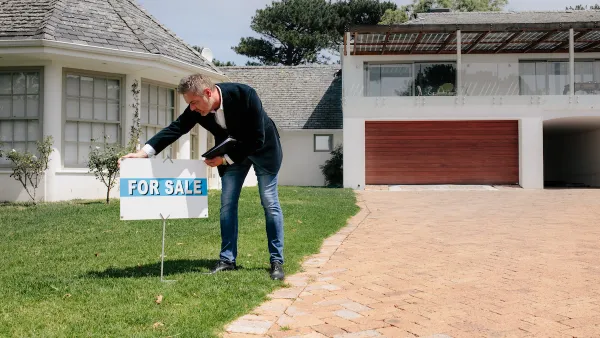
Just 15 Percent of U.S. Renters Could Afford Homeownership
In some markets, as few as 2.6 percent of renter households could afford the cost of an average home.
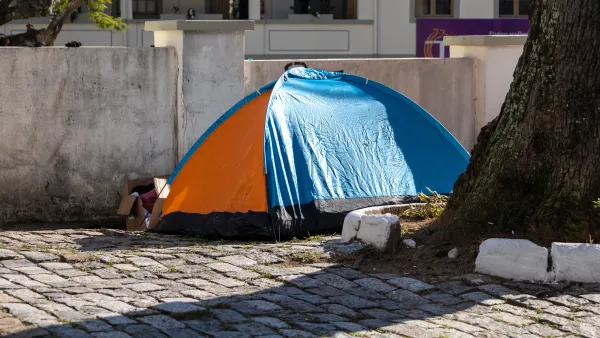
U.S. Supreme Court Upholds Camping Bans, but Challenges of Addressing Homelessness Remain
In Grants Pass v. Johnson, the Supreme Court upheld an Oregon city’s ban on camping in public places, paving the way for similar bans in cities across the country but doing nothing to solve the cause of homelessness.
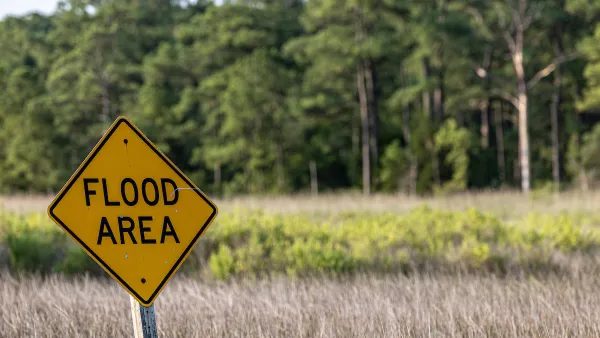
EPA Report Highlights Dire Impacts of Climate Change
The latest edition of the “Climate Change Indicators in the United States” report highlights the severe and widespread impacts of climate change on health and the environment, emphasizing the urgent need for action to mitigate these effects.

New East Coast HSR Line Breaks Ground
The passenger rail line will connect Raleigh and Richmond as part of the growing Southeast Corridor.

This Part of Spain Won Rent Regulations US Tenant Activists Can Only Dream of
In Spain, a new law makes rent control possible — and one region has implemented it. In Catalunya, a rent freeze and rental price index promise to help struggling tenants.
High Housing Costs Top of Mind for Voters
More and more Americans fear they won’t be able to afford housing.
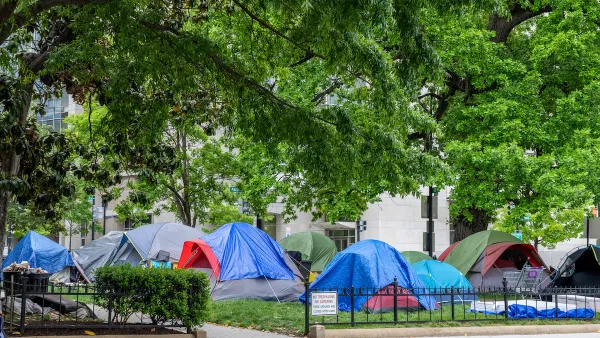
Strategies for Preventing and Ending Homelessness
A new report recommends a comprehensive, nationwide affordable housing plan as the ‘single most effective’ method of ending homelessness.
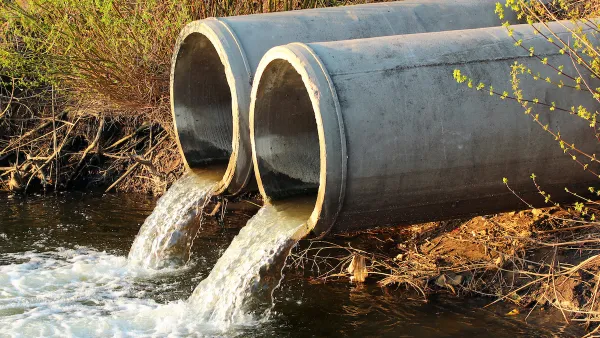
Study: Combined Sewer Systems Face Increased Flood Risk
Cities like Philadelphia and Boston are at higher risk of sewage overflows due to their aging sewer systems and rising sea levels.

FREE Course: Walkable City 1: Why Walkability?
After describing his path towards focusing on walkability as the essence of good planning, Jeff Speck marches through his five principal reasons for making more walkable places.
Reinventing Malls: Planning Alchemy—Turning Gray Fields Into Gold
The course focuses on the opportunities and imperatives that shape reinvention of mall sites.

One Hundred Miles
County of Mendocino
planning NEXT
The Architects Foundation
University of Cincinnati Online
Montrose County
Northern Illinois Transit Authority (NITA)
The Pocatello Development Authority









