Urban Development

Leveraging Blockchain Tech to Build Smart Cities
Blockchain is far from exclusive to cryptocurrency. Smart cities have a lot to gain from the technology and can thrive with its application.

What Caused the Failure of Zoning Reform in Colorado?
Land use reform bills that gained bipartisan support in the Montana legislature were strongly opposed by Colorado Republicans.
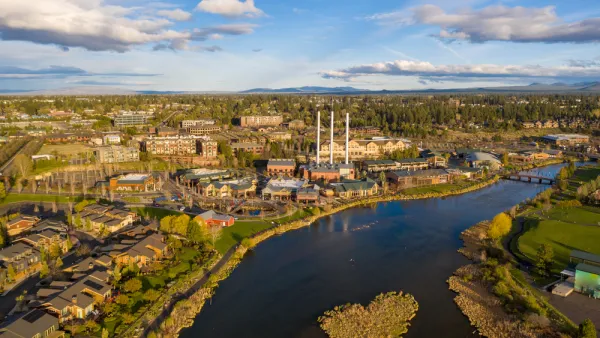
Examining Oregon’s Unique Land Use Laws
Since the 1970s, the state has taken a comprehensive approach to development, regulating land use and urban growth at the state level.
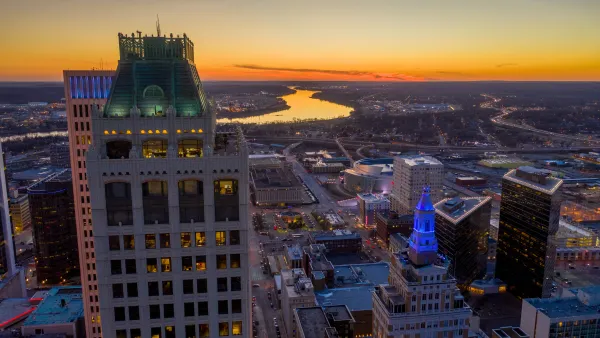
Tulsa’s Cash Incentive Drives Real Community
Thousands of remote workers moved to Tulsa to take advantage of a $10,000 incentive program. The vast majority of them stayed.

The Case Against Noise Pollution
A detailed description of how noise impacts health and wellbeing.

Detroit Mayor Proposes Vacant Lot Tax
A new tax plan would reform the city’s famously low vacancy tax rates in an effort to stimulate more housing development and limit speculation.

Planning for Proximity, for the Climate’s Sake
A new global platform will help the world identify and encourage opportunities for more proximity in the built environment—development patterns that can help reduce sources of greenhouse gas emissions and other forms of pollution if built well.

Downtown Indy to Gain New Car-Free Spaces
A summer program will turn Monument Circle into a public park and event space, and plans are in development to make a segment of Georgia Street safer and more walkable.

Home Insurers Are Fleeing California
Homeowners in the state are finding it increasingly difficult to secure insurance policies thanks to the growing risks of wildfire, drought, and other climate threats.
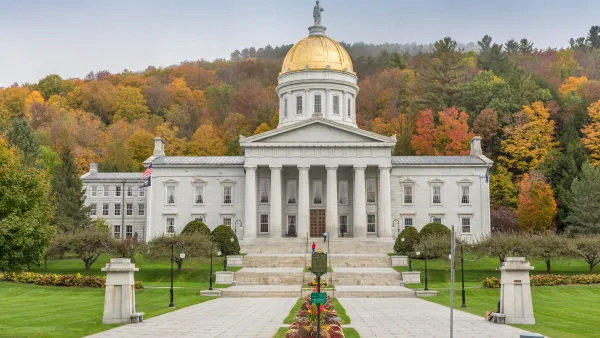
Vermont Latest State to Preempt Single-Family Zoning
The approval of the HOME law, S.100, will allow for duplexes in all residential neighborhoods in Vermont. Large swaths of residential zones in the state must also now allow tri- and four-plexes.
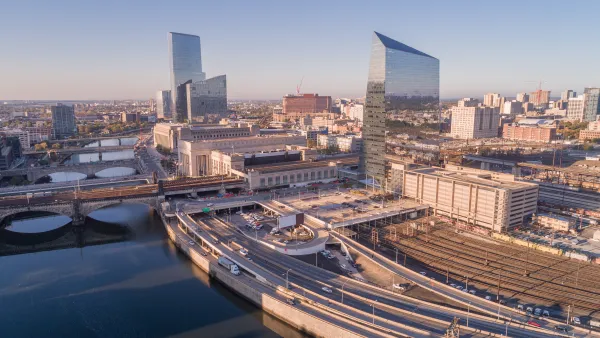
Master Plan Envisions New Neighborhood Around Philly’s 30th Street Station
A partnership led by Amtrak plans to redevelop the area around a historic train station with mixed-use buildings, cultural amenities, and open space.

As Business Districts Continue to Falter, Mixed-Use Neighborhoods Flourish
While office vacancies remain high and foot traffic sparse in many U.S. downtowns, areas with housing and businesses are more vibrant and desirable than ever.
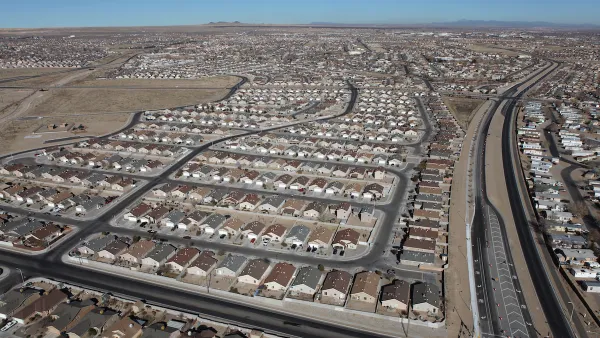
Albuquerque Poised to Legalize Accessory Dwelling Units
Allowing ADU construction on parcels previously zoned exclusively for single-family detached housing is one component of the Housing Forward ABQ initiative, a larger effort to reform zoning practices in Albuquerque.

Lack of Multi-Family Zones Contributes to Nashville’s High Housing Costs, Study Says
Nashville and surrounding communities allow for a relatively small amount of multi-family housing, according to a new zoning atlas of Middle Tennessee. A regionally focused nonprofit is using the atlas to push for zoning reforms.

The Rise of the ‘Night Mayor’
More cities are acknowledging the unique role of nighttime activities in urban life and the need for special ‘night governance.’
When Planning Issues Become ‘Culture Wars’
‘Commonsense’ urbanism projects are being painted by opponents as sinister plots to limit movement and erode property rights.

As Central Texas Population Grows, So Does Fire Risk
Sprawl in and around Austin is contributing to growing wildfire risks, and local officials worry about a lack of public awareness of the issue.

Cool Walkability Planning
Shadeways (covered sidewalks) and pedways (enclosed, climate controlled walkways) can provide comfortable walkability in hot climates. The Cool Walkshed Index can help plan these facilities.

D.C. Residents Fight Light Pollution
New LED lighting has raised concerns about the health and environmental impacts of excessive or harsh lighting.

Houston’s Future Hinges on Regional Cooperation
A movement to change how the regional planning council operates could give the city of Houston more power in decisionmaking.

FREE Course: Walkable City 1: Why Walkability?
After describing his path towards focusing on walkability as the essence of good planning, Jeff Speck marches through his five principal reasons for making more walkable places.
Reinventing Malls: Planning Alchemy—Turning Gray Fields Into Gold
The course focuses on the opportunities and imperatives that shape reinvention of mall sites.

Greater Baltimore Committee
Eagle County Government
Harvard University Graduate School of Design
The Architects Foundation
University of Cincinnati Online
The Pocatello Development Authority
The Urban Renewal Agency of the City of Pocatello
Journal of the American Planning Association