Transportation
No, Cars Are NOT Greener than Buses (Even Almost-Empty Ones)
Even in cities without world-class transit systems, transit can reduce car ownership to some extent.
Next Step in Indy's Transformation: Mass Transit
After his entreaties went unheard the first time around, Mayor Greg Ballard is once again leading efforts to get support for a $1.3 billion mass transit overhaul for the Indianapolis region.
New Apartments in Portland: No Parking = No Car? Not So
Turns out if you don't provide the parking, tenants still bring their cars - they just park on the street, according to a limited Portland survey. Neighbors asked city planners for a moratorium on 'parking-less' apartments and adding parking minimums
CA HSR Passes Crucial Court Test In Central Valley
Writing from Madera in the Central Valley, the Mercury News transportation reporter explores the local opposition to the largest public works project in the nation. Farmers wanted an injunction placed on the CA High Speed Rail Authority to halt work.
Friday Funny: Pedestrian Penalty Cards
Last month we came across an ingenious idea for making your sidewalk frustrations known to offending amblers, while sidestepping the dangers of verbal confrontation.

Is a Car More Environmentally Friendly Than Mass Transit?
Angie Schmitt takes issue with the controversial premise of a recent story from the popular Freakonomics guys. True to their reputation for counter-intuition, their most recent report makes the claim that "driving is greener than transit."
Copenhagen Tops List of Europe's Smartest Cities
Based on a new metric he's developed for defining the components of a smart city, Boyd Cohen ranks the top cities in Europe that are "working the hardest to be the most advanced urban landscape."
Sandy Was a Double-Edged Sword for Bikes in NYC
In the immediate aftermath of Superstorm Sandy, bicycles appeared to be the big winner in the ensuing transportation chaos. This week, however, it was revealed that efforts to expand bike use in the city were also one of the storm's victims.
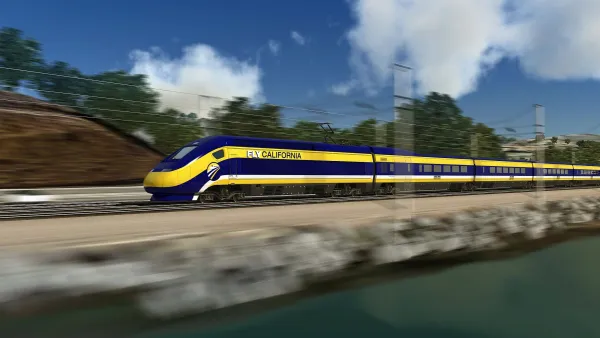
California's Bullet-Train Will Require Extraordinary Engineering Feats
Given its unprecedented “scale and scope”, California's bullet train poses a plethora of complex challenges to engineers and train planners, reports Ralph Vartabedian, yet it also seizes their imaginations.
Protesters Take Toronto Bike Lane Removal Lying Down
Efforts to remove a bike lane from Toronto's Jarvis Street did not go exactly as planned this week, as protesters prevented city crews from completing their work by blockading the street, reports Lissette Valdez.
Why Downtown L.A. Should Approve a Streetcar, Despite Campaign Missteps
As a special election gets underway to determine whether 10,000 downtown L.A. residents support taxing property owners to build a new streetcar system, the editors of the Los Angeles Downtown News offer their qualified support for the project.
Congestion Pricing Debuts in L.A.
AP covers the opening of the first toll lanes in LA county: 110 Freeway Express Lanes that allow solo-drivers to use a carpool lane for a toll that varies with the level of congestion (i.e. congestion pricing). Shoup asks: "Why did it take so long?"
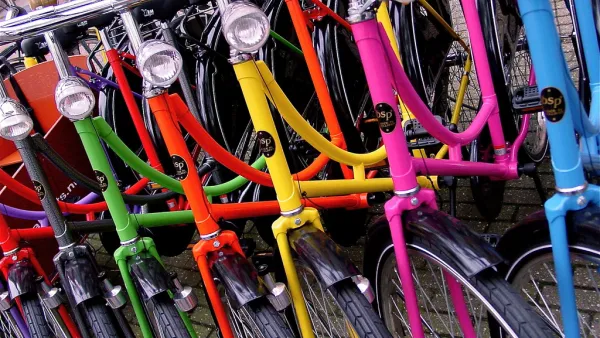
Amsterdam Adds to Its Embarrassment of Bicycle Riches
With a plan to spend $150 million on bike infrastructure over the next eight years, Amsterdam is cementing its reputation as "the capital of European biking," and doubling down on a pledge to "remain a clean and accessible city."

Are Cities a Reflection of their Citizens?
As part of Bloomberg BusinessWeek's "Fix This" city planning series, the World Bank's Daniel Hoornweg considers how cities can often be a reflection of the cultural and institutional personalities of their citizens.
Federal-aid Highway Program Essentials
The Federal Highway Administration (FHWA) recently launched a new information-sharing initiative designed to help local public agencies and state departments of transportation manage their Federal-aid Highway Program projects.
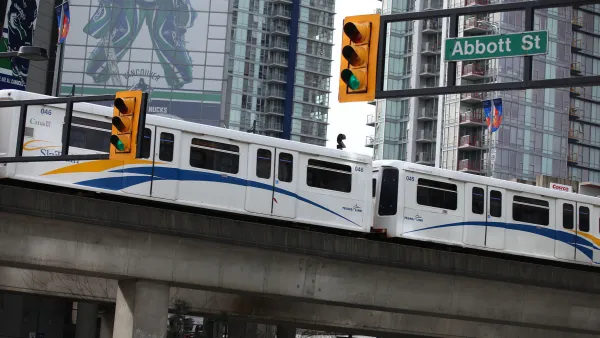
Should We Slow Down Our Pursuit of Rapid Transit?
Jarrett Walker examines the desirability of slow transit as argued by University of British Columbia Professor Patrick M. Condon in support of a vast streetcar network for Vancouver.

The Politics of Sidewalks
In the aftermath of the presidential election, an observation by the star statistician Nate Silver about the connection between sidewalks and voting patterns has been getting a lot of play. Robert Steuteville tries to depoliticize walkability.
Gasoline Rationing Spreads to NYC, Long Island
With only 25% of gas stations in NYC operating, the mayor has instituted odd-even rationing that has proven effective in reducing lines in NJ. Meanwhile, MTA announced most transit and subway service have been restored to pre-Hurricane Sandy levels.
A Cable Car Comeback
Sophie Landrin looks at the global rise in the use of cable cars - the kind you find on a ski lift and not on the streets of San Francisco - as a transportation alternative. Several French cities are developing plans to become "wired".
Boston Has a Parking Pricing Problem
Patrick Doyle makes a persuasive argument for alleviating Boston's parking problems by raising the rates at the city's overly cheap parking meters.

FREE Course: Walkable City 1: Why Walkability?
After describing his path towards focusing on walkability as the essence of good planning, Jeff Speck marches through his five principal reasons for making more walkable places.
Reinventing Malls: Planning Alchemy—Turning Gray Fields Into Gold
The course focuses on the opportunities and imperatives that shape reinvention of mall sites.

City of Rosemead
Rutgers University, Edward J. Bloustein School of Planning and Public Policy
One Hundred Miles
University of Michigan School for Environment and Sustainability (SEAS)
Hunter College, City University of New York (CUNY)
The Architects Foundation
City of Cambridge
The Pocatello Development Authority
The Urban Renewal Agency of the City of Pocatello









