Curb Cut Effect
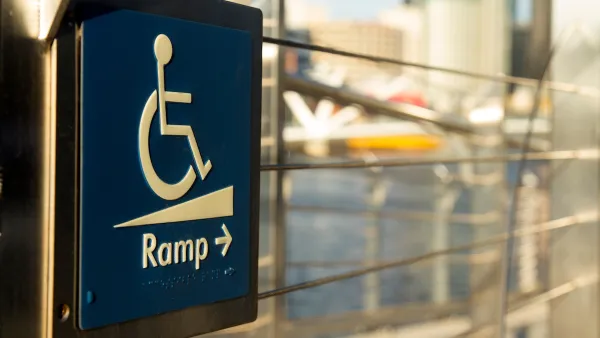
America’s 15 Most Accessible Cities
These cities are the easiest to navigate for people in wheelchairs or with mobility challenges.
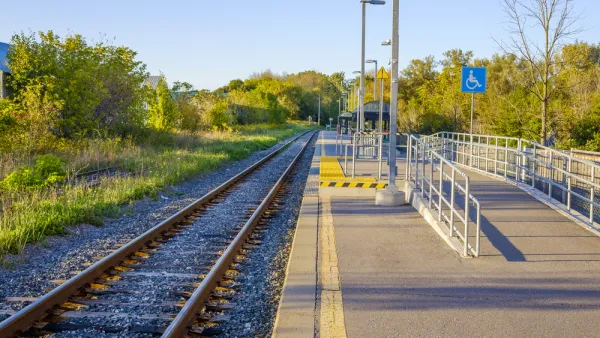
ADA Compliance Slowly Makes Headway
Decades of advocacy are paying off, but it often takes legal action to force cities to make accessibility improvements mandated by the Americans with Disabilities Act over thirty years ago.
How Urban Design and Infrastructure Affects Public Health and Dignity
Poor infrastructure can have powerful impacts on how different groups access resources and experience the public realm.
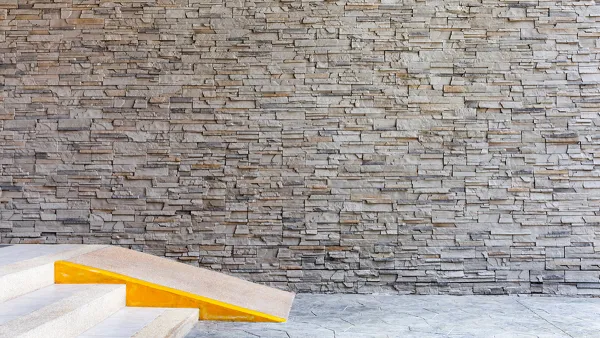
What Is the Americans With Disabilities Act?
The effects of the landmark Americans With Disabilities Act are visible throughout the built environment—on sidewalks, on buses, and in almost every building and public facility in the country.
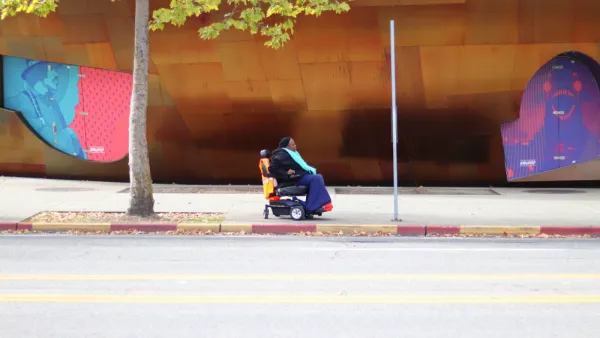
Gaps Remain as Americans With Disabilities Act Approaches its 30th Anniversary
Public transit agencies around the country have made a lot of progress in providing access for people with disabilities, but there is a lot of work left to ensure to the full freedoms of mobility.

The Case for Gender Mainstreaming in Transportation Planning
Like the curb cut effect achieved by the Americans With Disabilities Act, which benefitted a much larger cross-section of the population than the legislation originally intended, gender mainstreaming could multiply benefits in the public realm.
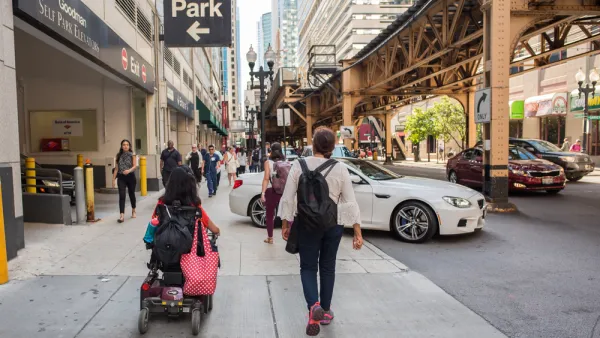
A Guide to Universal Design in the Public Realm
New universal design guidelines go a step beyond complete streets.
An App to Map the City's Most Accessible Routes
Google Maps is built for able-bodied people, but the AccessMap Seattle app is for everyone.
'Project Sidewalk' Crowdsources ADA Compliance
A crowdsourcing app allows citizens to hold the public realm to higher standards of access and mobility.
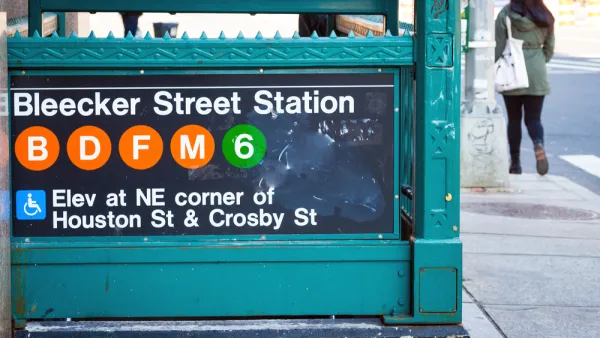
New York's Public Transit Still Failing to Provide Access By Wheelchair
The New York Times provides interactive and first-person accounts of the city's failure to provide public transportation to people with disabilities.
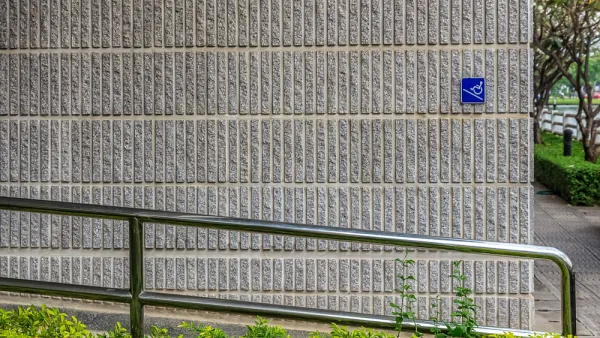
How Equitable Infrastructure Investments Benefit Everyone
A call for the country to focus its infrastructure investments to the most vulnerable and neglected populations—and watch the benefits compound.

FREE Course: Walkable City 1: Why Walkability?
After describing his path towards focusing on walkability as the essence of good planning, Jeff Speck marches through his five principal reasons for making more walkable places.
Reinventing Malls: Planning Alchemy—Turning Gray Fields Into Gold
The course focuses on the opportunities and imperatives that shape reinvention of mall sites.

City of Rosemead
Rutgers University, Edward J. Bloustein School of Planning and Public Policy
One Hundred Miles
Hunter College, City University of New York (CUNY)
The Architects Foundation
University of Cincinnati Online
City of Cambridge
Montrose County
The Pocatello Development Authority









