Permeable Pavement
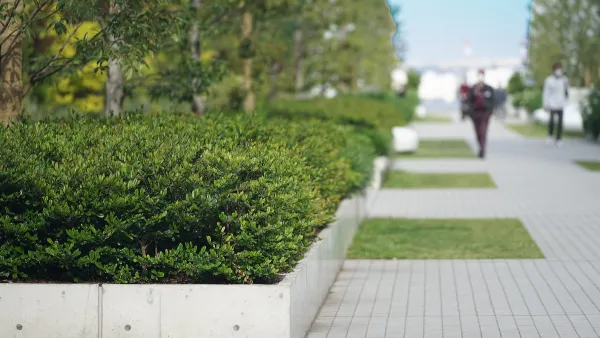
Grassroots Dutch Movement Replaces Pavement With Green Space
Neighbors engage in a practice known as “tegelwippen,” picking up paving stones and replacing them with permeable surfaces, often with the support of local governments.
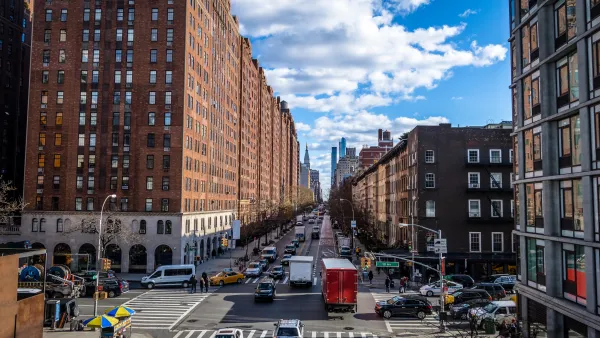
Could Permeable Pavement Ease Flooding in New York City?
It can’t help cities control the weather, but by slowing the flow of stormwater, permeable pavement can lessen flooding from big storms.

Flood Resilience Through Green Infrastructure
Cities like New York and Los Angeles are moving to build green infrastructure as the need for spongier urban spaces becomes more apparent.
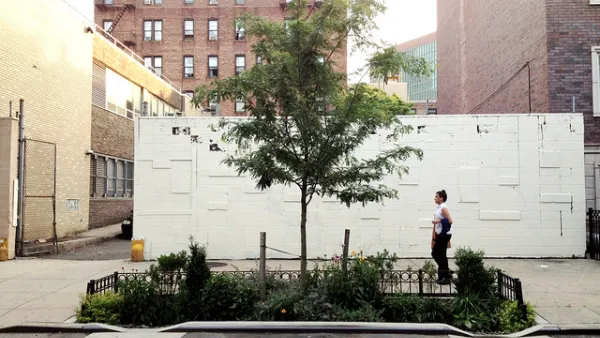
New York Needs Permeable Streets to Mitigate Future Flooding
To reduce the severity of disruptive subway flooding, the city can implement street-level solutions that absorb and redirect water before it reaches the train tunnels.
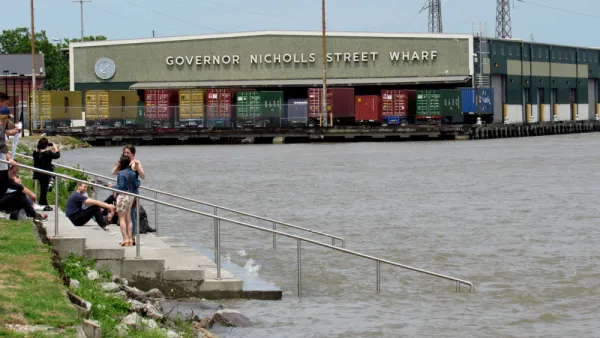
Permeable Pavements Required for Parking, Sidewalks in New Orleans
New Orleans is looking for new ways to mitigate the effects of stormwater that regularly floods the city.
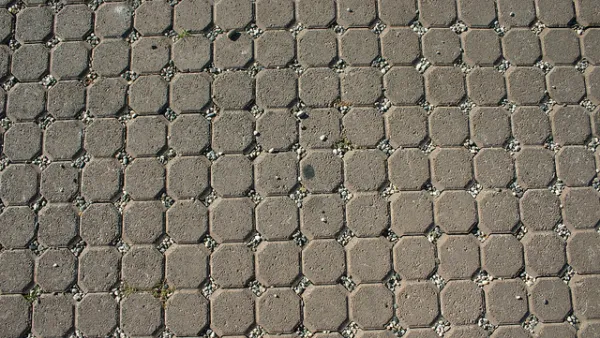
A Minnesota Suburb's Permeable Pavement Leadership
Shoreview, Minnesota has one of the most extensive permeable pavement systems in the United States. This technology has reduced the need for expensive grey infrastructure like stormwater sewer systems.
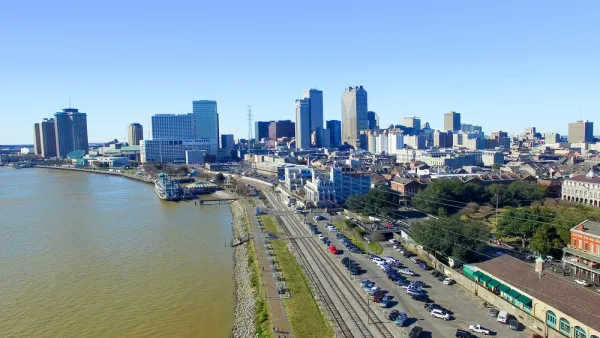
All New Commercial Developments Require Porous Pavement in New Orleans
After the challenges of a rainy season with persistent flooding last year, New Orleans is ensuring that the future of its development is more stormwater friendly than its past.
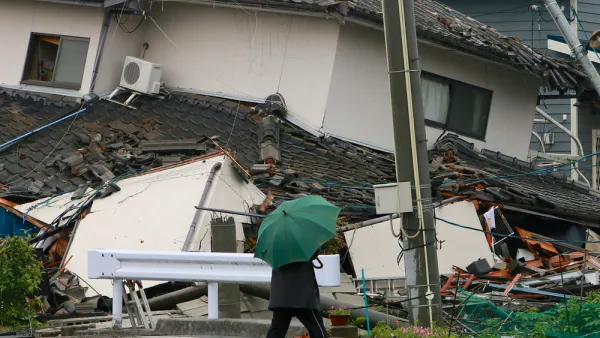
Planning for Structural Safety in an Era of Environmental Risks
Resilience to the impacts of climate change and other forms of natural disaster will require new levels of safety in the built environment.
Atlanta Installs Permeable Pavement in Flood-Prone Neighborhoods
These Atlanta neighborhoods stand to gain in the long term from the city's new permeable pavement system and water retention park. But the project has displaced some residents.
Designing Permeable Cities for Drought Resilience
Take a kayak trip on the Los Angeles River with KQED science reporter Amy Standen to understand why cities were built on the premise of endless potable water and how we can build cities sustainably in regions that receive low rainfall.
Downtown Berkeley Getting the Permeable Pavement Treatment
The city of Berkeley is undergoing a pilot installation of permeable pavement for a road calming project by Berkeley High School. The pilot has better storm water drainage, a smaller carbon footprint, and less maintenance than traditional asphalt.
Between Recess and Lunch, a Lesson in Landscape Architecture
Lisa Foderaro explores a program underway in select New York City schools to guide children through the eco-friendly redesign of their own playgrounds.
Green Infrastructure Worth Its Weight in Gold
Nate Berg looks at a new study analyzing the cost benefits of large-scale green infrastructure projects, which demonstrates that governments are wasting billions of dollars a year by not going green.

FREE Course: Walkable City 1: Why Walkability?
After describing his path towards focusing on walkability as the essence of good planning, Jeff Speck marches through his five principal reasons for making more walkable places.
Reinventing Malls: Planning Alchemy—Turning Gray Fields Into Gold
The course focuses on the opportunities and imperatives that shape reinvention of mall sites.

City of Rosemead
Rutgers University, Edward J. Bloustein School of Planning and Public Policy
One Hundred Miles
Hunter College, City University of New York (CUNY)
The Architects Foundation
University of Cincinnati Online
City of Cambridge
Montrose County
The Pocatello Development Authority









