Studies
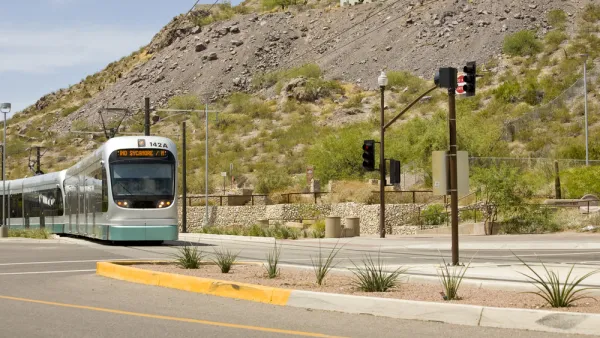
Arizona Residents Ditching Cars, Taking Transit
A new report finds that residents of Arizona are driving less—much, much less. Arizonans drive less that they did in the 1990s, in fact. Despite these trends, the state government has not adjusted its traffic forecasting models.
Study Links Affordable Housing and Intellectual Ability in Children
Jonathan Walters shares news of a new study out of Johns Hopkins University finding a connection between affordable housing and the intellectual ability of children. Spend more, or less, than 30 percent on housing, and intellectual ability suffers.

Report Ranks Walkable Urbanism in America's Largest Metropolitan Areas
A new report authored by Chris Leinberger and Patrick Lynch, called "Foot Traffic Ahead," ranks walkable urban places (or "WalkUPs") around the country.
Tracking the Rate of Sprawl for U.S. Cities between 2000 and 2010
Many studies have measured and compared the sprawl of U.S. metropolitan areas. A recent study tracks the rate at which the same cities grew either less compact or more compact for the decade between 2000 and 2010.
Study: Walking Increases Creativity
It's common knowledge that taking a walk can help get the creative juices flowing—but a new study by researchers at Santa Clara University claims to have proven it.
Cars Are Key to Reducing Poverty
Many advocates for new ways of thinking about places and streets argue for reduced use of cars as the dominant mode of transportation. A new study finds, however that poverty is improved when the poor have access to a car for transportation.
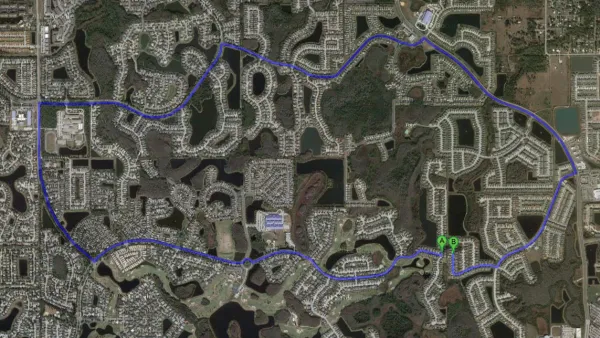
Study: Sprawl is Bad for Public Health
Smart Growth America has released the "Measuring Sprawl 2014" report, which updates the 2002 report "Measuring Sprawl and Its Impact."
New Study Tests Assumptions About Housing Vouchers and Crime
A new paper published in the Urban Studies journal finds a weak, negative relationship between vouchers and violent crime rates. There is no observable relationship between vouchers and violent crime rates in suburban areas.
"Sloppy Nature" of Parking Study Could Hinder Reform
The New York City Department of City Planning wants to place maximums in the Manhattan core, but there's just one problem: its own two-year-old parking study. Noah Kazis reports on the faulty arguments against reform.

FREE Course: Walkable City 1: Why Walkability?
After describing his path towards focusing on walkability as the essence of good planning, Jeff Speck marches through his five principal reasons for making more walkable places.
Reinventing Malls: Planning Alchemy—Turning Gray Fields Into Gold
The course focuses on the opportunities and imperatives that shape reinvention of mall sites.

Harvard University Graduate School of Design
KFH Group Inc.
Greater Baltimore Committee
The Architects Foundation
University of Cincinnati Online
The Pocatello Development Authority
The Urban Renewal Agency of the City of Pocatello