Shared Mobility

Shared Mobility Ridership on the Rebound
Ridership on shared bike and scooter fleets showed numbers higher than before the pandemic in the second part of 2021, according to a new report.
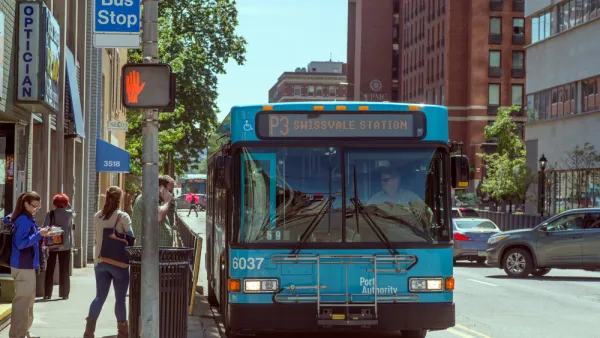
Pittsburgh Launches Guaranteed Basic Mobility Pilot
The program aims to improve access to jobs and economic opportunities for some of the city’s most underserved neighborhoods.
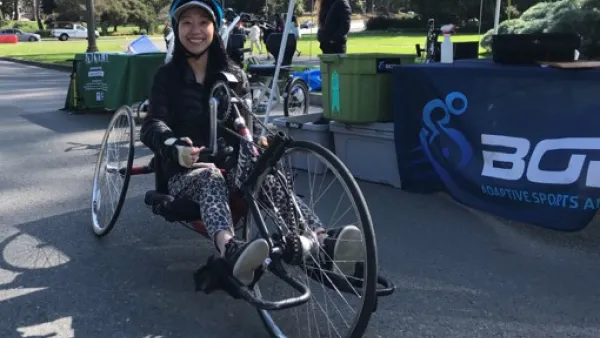
San Francisco Launches Adaptive Cycling Program
The program offers a variety of adaptive bikes at no charge to people with disabilities.
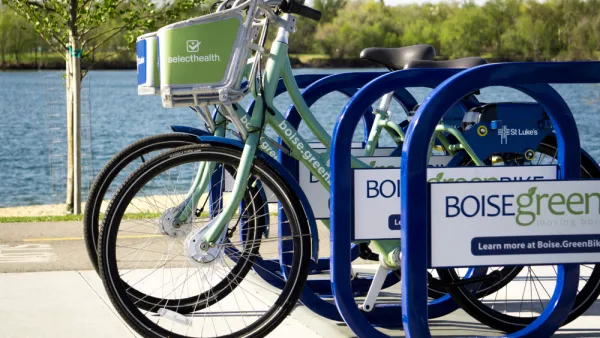
Boise To Launch Shared E-Bike Pilot
After the city nixed its bike share program due to the pandemic and other issues, a fleet of 50 electric bicycles will be available to Boise residents and visitors from July until the end of October.
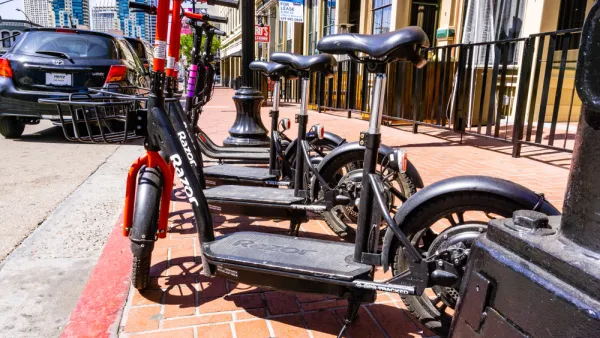
Micromobility Growing in Smaller Cities
Shared mobility services are proliferating in small towns and cities, despite the regulatory hiccups operators have been experiencing in larger markets.
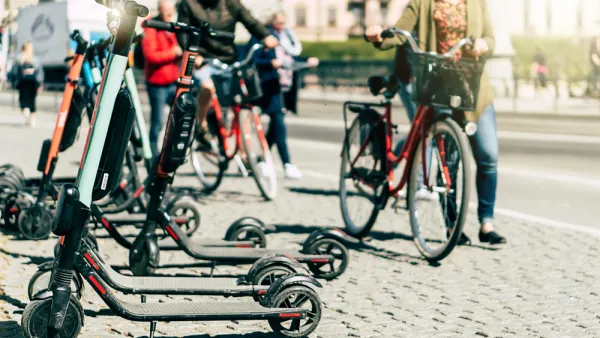
Highlights From the National Shared Mobility Summit
Mobility leaders from around the country met to discuss multimodal transportation, equity, and accessibility.
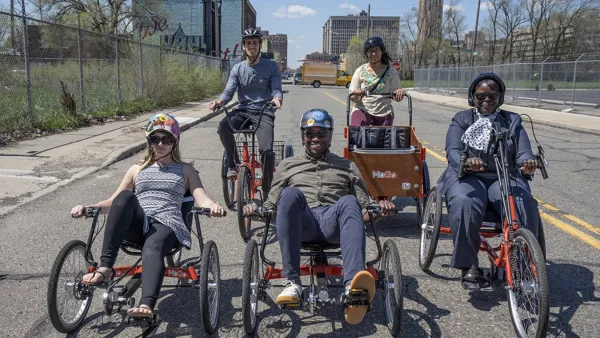
Detroit Bike Share Celebrates Five Years
In its five years of operation, Detroit’s MoGo bikeshare has added electric and adaptive bikes to its fleet of more than 600 bikes.
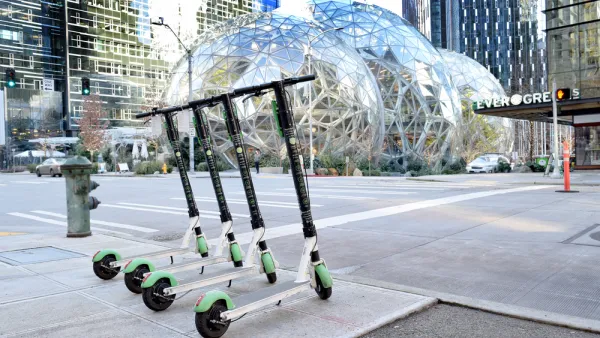
One Year of E-Scooters in Seattle
The city’s shared e-scooter program has proved popular, seeing more than eight times as many rides as its bike share system.
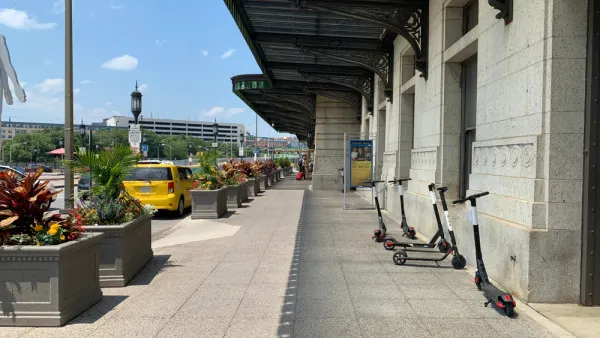
Integrating Micromobility and Public Transit for Better Service
A report highlights successful strategies for making public transit and micromobility options work together to support more multimodal trips.
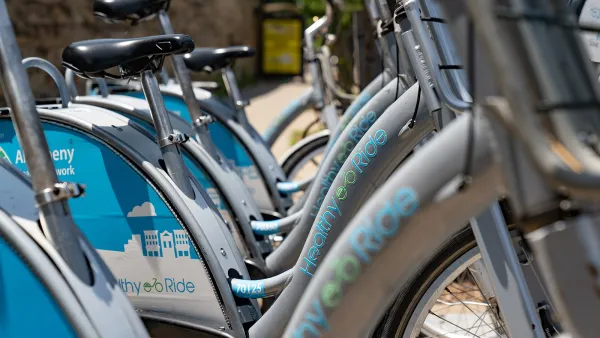
Pittsburgh To Revamp its Bike Share System With E-Bikes, New Stations
The system overhaul is partly due to nextbike's shift to focusing on its European markets. The new fleet will include 350 e-bikes and expand service to new neighborhoods.

Opinion: How Micromobility Operators Can Stay Relevant
One micromobility CEO says operators should align themselves with cities' mobility, climate, and equity goals to maintain their relevance in the urban spaces of the future.
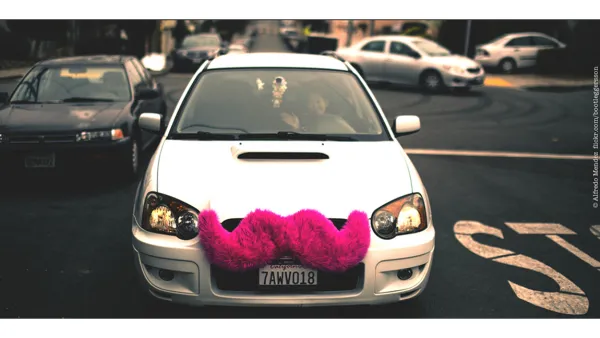
What Are Transportation Network Companies?
Transportation Network Companies (TNCs), provide on-demand transportation services through app-based platforms to create a new level of convenience for riders—and a host of challenges for policymakers and regulators.
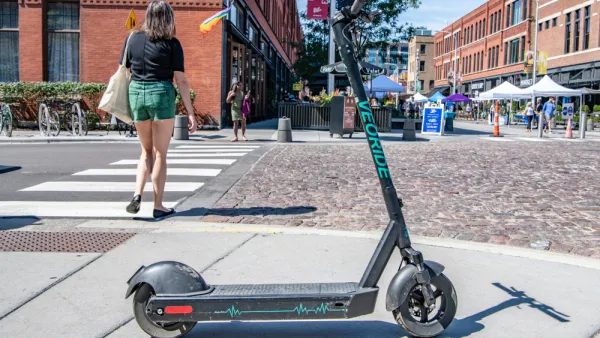
Lessons From Five Years of E-Scooters
As cities continue to adapt micromobility regulations to address new devices and technologies, what can we learn from Chicago's five years of e-scooter pilots?
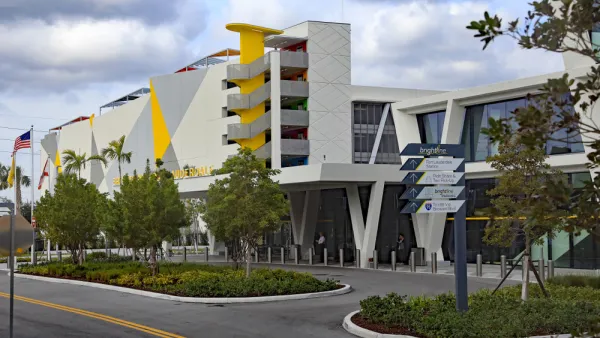
Bike Share Coming to West Palm Beach
A new bike share system will bring 170 bikes to West Palm Beach as part of Brightline's new suite of door-to-door mobility options.
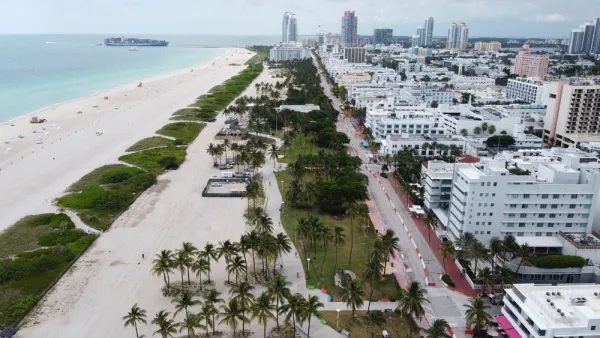
Miami Reinstates E-Scooter Program
After abruptly ending its shared e-scooter program last month, Miami is letting the devices return to its streets–with some new rules.

What Is Micromobility?
Micromobility is an umbrella term encompassing a variety of small, generally low-speed vehicles and conveyances that can be electric or human-powered and privately owned or part of shared fleets.
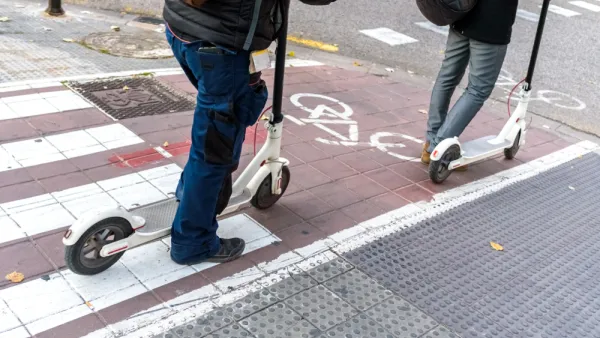
D.C. Plans More Regulations for Micromobility Operators
Operators are pushing back against new proposed rules that some say could 'kneecap' the District's micromobility industry.
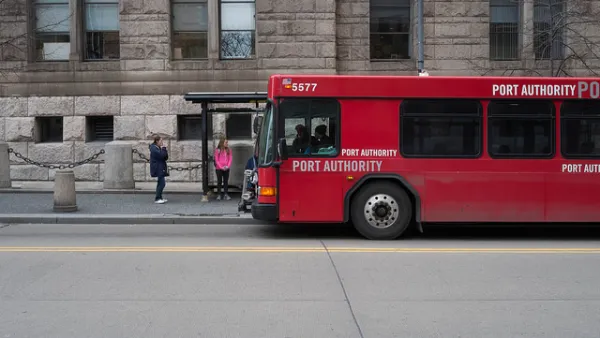
Pittsburgh Launches Comprehensive Mobility as a Service App: Move PGH
The Move PGH pilot program is being credited as a major step forward for the integration of personal technology and shared transportation.
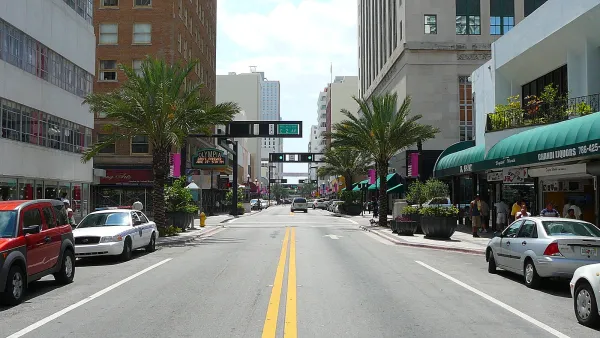
Miami Funds Protected Bike Lanes With E-Scooter Fees
The city, which has some of the nation's most dangerous streets for pedestrians and cyclists, is installing 3 miles of new bike lanes and pedestrian ramps on some of its busiest downtown corridors.
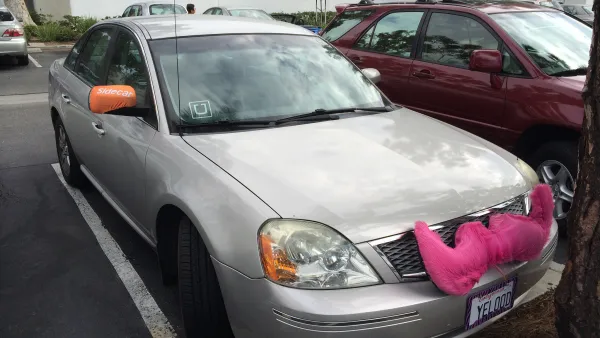
Study: Ride-Sharing Increases Urban Congestion
New research shows that ride sharing contributes to increased congestion and decreased transit ridership.

FREE Course: Walkable City 1: Why Walkability?
After describing his path towards focusing on walkability as the essence of good planning, Jeff Speck marches through his five principal reasons for making more walkable places.
Reinventing Malls: Planning Alchemy—Turning Gray Fields Into Gold
The course focuses on the opportunities and imperatives that shape reinvention of mall sites.

City of Rosemead
Rutgers University, Edward J. Bloustein School of Planning and Public Policy
One Hundred Miles
University of Michigan School for Environment and Sustainability (SEAS)
Hunter College, City University of New York (CUNY)
The Architects Foundation
City of Cambridge
Montrose County
The Pocatello Development Authority









