Ports
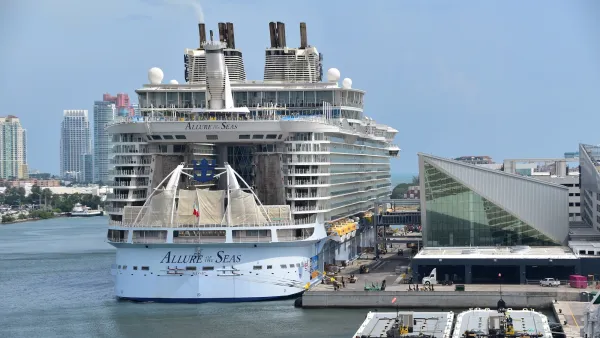
Miami Considers Airport-to-Port Train to Ease Cruise Ship Traffic
Miami’s port is one of the world’s busiest cruise ship terminals.

Planetizen’s Top Urban Planning Books of 2025
How thoughtful deregulation could unlock a housing and infrastructure boom, the social histories that lie behind a globalizing economy, and the growing role of artificial intelligence in planning.
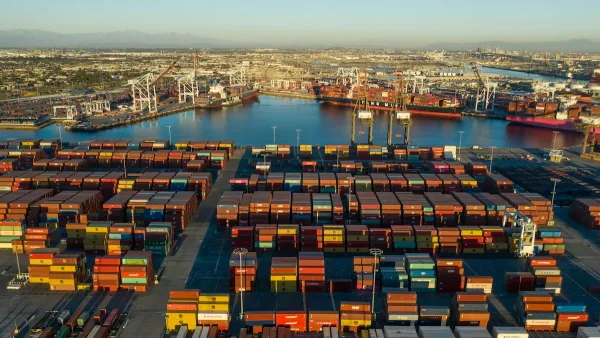
AI and 5G Could Advance Port Automation
A vision for the future of automated ports with AI and 5G: harnessing technology for enhanced efficiency, reliability, and safety.
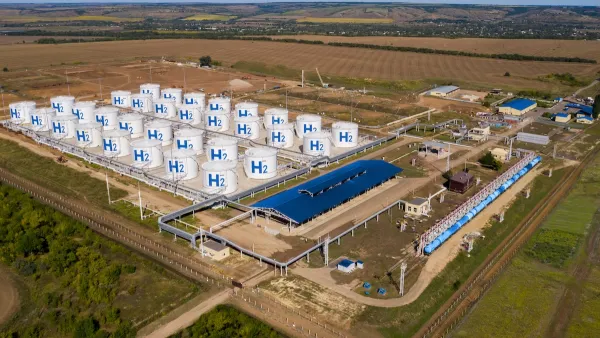
First Federal Funding for Hydrogen Hubs Awarded to California and Pacific Northwest
The U.S. Department of Energy announced on July 17 that the first grant to build the nation's seven proposed 'hydrogen hubs' would go to California. The ultimate goal is to decarbonize transportation fuels used in port operations.
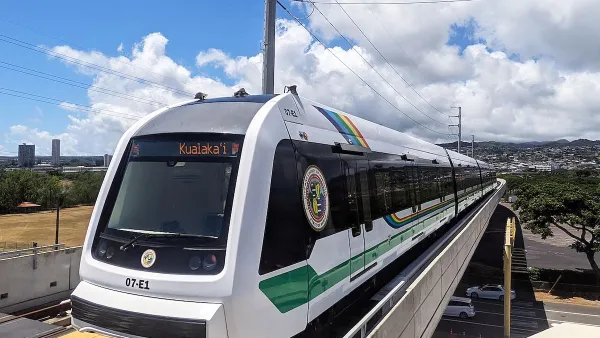
Hawai’i Transportation Projects Receive Federal Grants
State officials say they need around $15 billion to mitigate the impacts of rising seas.
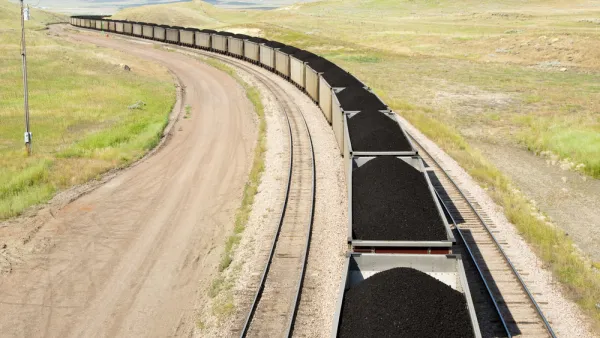
Mountain Coal States vs. West Coast Cities
A legal battle is being waged between the coal-exporting states of Utah, Wyoming, and Montana and coastal cities in California, Oregon, and Washington that pits the power of local land-use authority against the protection of interstate commerce.
Trails and Rails Battle in San Francisco Bay Shoreline Park
Can freight trains and a scenic shoreline park along San Francisco Bay coexist, or are they incompatible uses? The East Bay Regional Park District voted to remove old rail tracks that BNSF Railway wants to reactivate. A local court may decide.
Alabama Is Latest State to Hike Gas Tax
Thanks to bipartisan cooperation and strong leadership from Gov. Kay Ivey, the Heart of Dixie passed it first fuel tax hike in 27 years. The 21 cents per gallon tax will increase by 10 cents in three increments by 2021 and then indexed to inflation.
Bipartisan Support for Federal Diesel Emissions Reduction Bill
Established in 2005 to reduce toxic diesel emissions, the Diesel Emissions Reductions Act expired in 2016. A bipartisan effort appears to be in place to see it reauthorized this year.
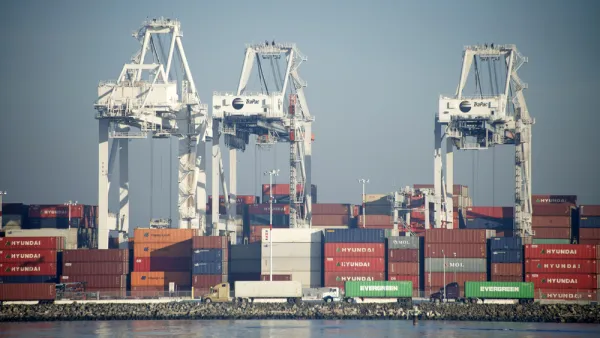
Port Industry Stresses Need for Rail Access
A new report by the American Association of Port Authorities makes the case for more funding toward port access infrastructure projects.
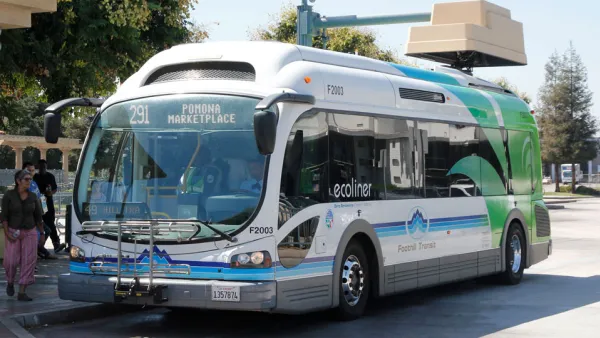
California to Invest $1 Billion in Electric Trucks, Buses, Charging Infrastructure
The investment comes not from the state legislature but from two regulatory bodies, the Air Resources Board and the Public Utilities Commission, authorizing the expenditure of VW settlement funds and utility ratepayer funds, respectively.
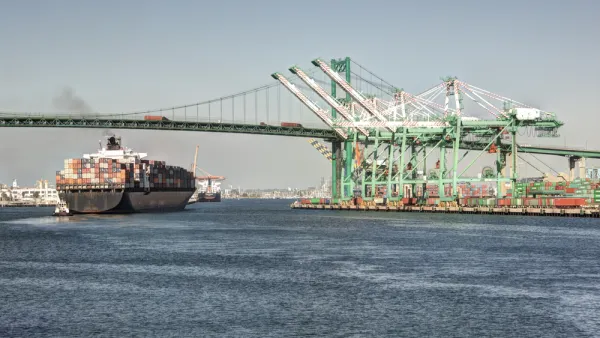
Los Angeles and Long Beach Ports Put Zero Emissions Goal in Writing
Mayors Eric Garcetti and Robert Garcia pledge their ports will bring their carbon footprint down to zero by 2030.
The Greening of Large Trucks Begins at California's Ports
A Planetizen blog post by Casey Brazeal asks, "When will the trucking industry electrify?" Three truck manufacturers and electric truck builder BYD Motors are now in competition thanks to a $23.6 million state grant to the South Coast Air District.
Expected Budget Cuts Hurt Port Modernization Prospects in Anchorage
The Alaska Legislature snubbed the Port of Anchorage due to a huge state budget shortfall. The port handles 90 percent of the state's freight and is a vital national security facility.
Port of Houston Breaking Cargo Records
Local businesses and a global economy are driving growth at the Port of Houston. More opportunity growth could be on its way soon, too.
Water Resources Reform and Development Act of 2014 Signed into Law
President Obama has signed "a bipartisan $12.3 billion water bill that will help improve harbors, waterways, levees, and ecosystems across the United States," according to an article by Adie Tomer and Joseph Kane.
Critical Water Bill Passes Senate, Awaits President's Signature
After passing the House earlier on a 412-4 vote, the Senate voted 91-7 on May 22 to pass a $12.3 billion water infrastructure bill known as Water Resources Reform and Development Act. It had been seven years since the act was last reauthorized.
Waterways Infrastructure Bill: Prelude to Highway Bill Agreement?
Last Thursday, House and Senate leaders announced agreement on an $8.2 billion waterways infrastructure bill, and if they have their way, it won't be their last major agreement. On Monday, a successor highway bill (to MAP-21) will be released.
The Economics Behind Crude by Rail
Sure, it costs more than moving by pipeline—double or triple the price per barrel. But look at the speed: five days versus 40. A new rail terminal in Beaumont, Texas sheds light on the economics that make CBR attractive to shippers and refineries.
Port of Albany is a Major Destination for North Dakota Oil
Crude-by-rail from the Bakken shale formation has transformed the sleepy Port of Albany, NY into a major supplier of cheaper crude for East Coast refineries. Jad Mouawad writes two articles on the importance of the port and the dangers from the oil.

FREE Course: Walkable City 1: Why Walkability?
After describing his path towards focusing on walkability as the essence of good planning, Jeff Speck marches through his five principal reasons for making more walkable places.
Reinventing Malls: Planning Alchemy—Turning Gray Fields Into Gold
The course focuses on the opportunities and imperatives that shape reinvention of mall sites.

City of Rosemead
Rutgers University, Edward J. Bloustein School of Planning and Public Policy
One Hundred Miles
Hunter College, City University of New York (CUNY)
The Architects Foundation
University of Cincinnati Online
City of Cambridge
Montrose County
The Pocatello Development Authority









