Parking Requirements
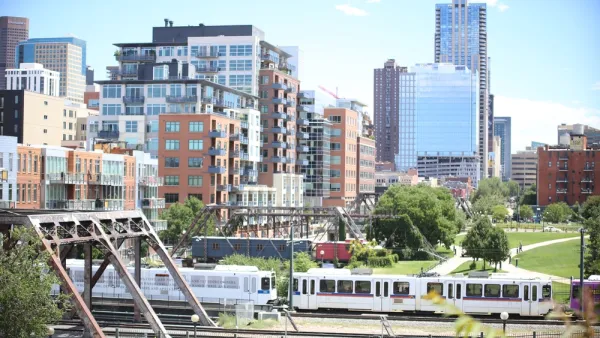
Denver Affordable Housing Program Moves Forward
A proposal to reduce parking requirements near transit and encourage higher-density affordable housing development received Planning Board approval, but community concerns about affordability and displacement remain.

Columbus Weighs Revisions to Outdated, Inequitable Zoning Code
The city is seeking ways to boost affordable housing development and encourage mixed-use, transit-oriented development.

Miami City Commissioners Vote to Reinstate Downtown Parking Minimums
It's unclear when the law will take effect, but the Miami City Commission has approved that an ordinance that heads in the opposite direction of current planning trends and even the city's own groundbreaking zoning code.
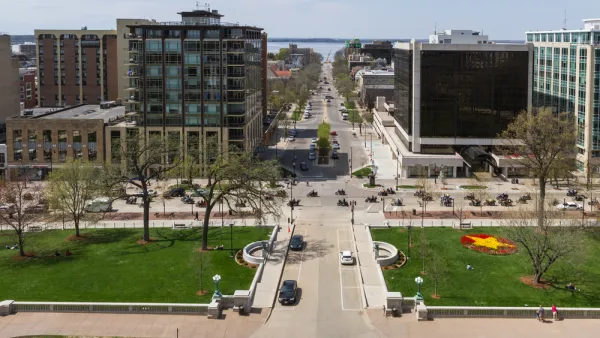
Wisconsin Coalition Releases Housing Affordability Toolkit
The guide outlines zoning reforms that can encourage affordable housing construction and increase density and walkability.

L.A. Reimagines Parking for New Uses
In famously car-centric Los Angeles, developers and city officials are changing the way they view parking space, opting instead to allocate the space to more effective uses.

Upzoning Leads to Sharp Growth in Construction in Bend
After Oregon legalized 'missing middle housing' in cities statewide, Bend, the first city to comply with the state law, has experienced a significant boost in mid-density housing construction.
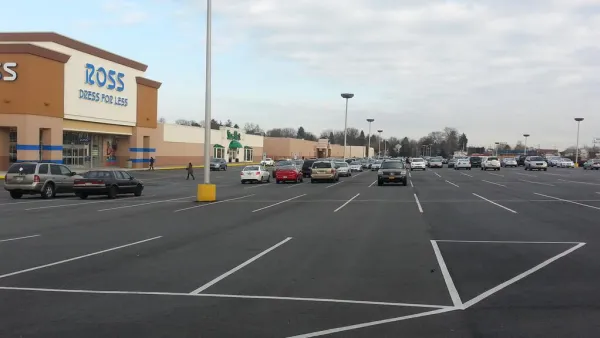
Progressive Political Support Sought for Parking Reforms
Despite mounting evidence that parking requirements subsidize cars, raise the cost of housing, and contribute to greenhouse gas emissions, few policymakers have strongly advocated to end them.

Survey: Seattle-Area Residents Support Upzoning
To fight the growing housing crisis, most King County residents support an end to single-family zoning and accelerated housing development, according to a new poll.
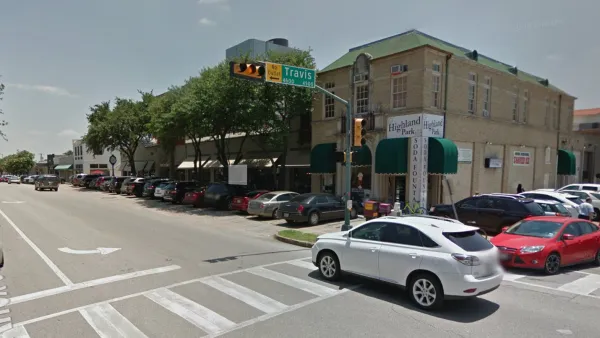
Dallas Exploring Parking Requirement Reform
Dallas relies on a formula introduced in 1965 to determine parking requirements for new developments, but city planners are studying how to update the city's development code for the future.

Toronto City Council Removes Most Minimum Parking Requirements
The parking reform movement has a major new feather in its cap: the Toronto City Council has this week adopted sweeping changes to the parking requirements of the city's zoning bylaws.

Ambitious Zoning Reform Package Proposed in New York State Legislature
Single-family zoning, parking requirements, and minimum lot sizes are on the chopping block in Senate Bill S7574.
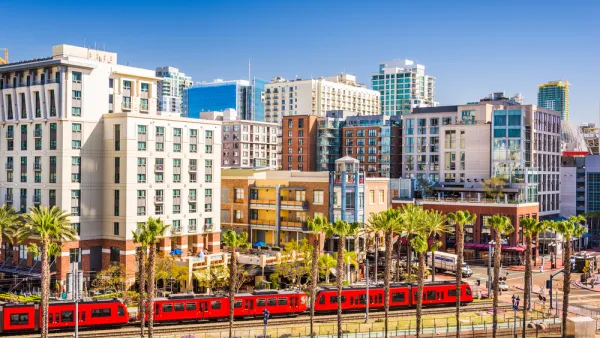
San Diego Removes Some Commercial Parking Requirements
After approving parking reforms for swaths of residential areas in the city in 2019, the city of San Diego is expanding the effort to select commercial areas in the city.

Boston City Council Approves Maximum Parking Ratios
An innovative set of zoning reforms have two more approvals left to become law.

Boston Introduces 'Maximum Parking Ratios' for Large Buildings
Large buildings with uses of all kinds will be subject to Boston's new "Maximum Parking Ratios."
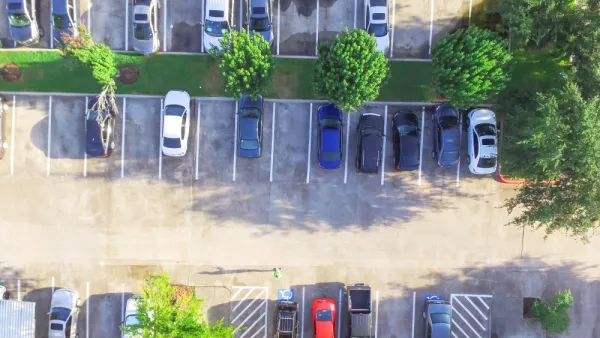
San José Could Eliminate Parking Minimums
The city of San José has the highest minimum parking requirements in the state. Now, it is weighing a proposal that would do away with them altogether and let developers decide how much parking to build.

Watch: The Laws and Policies Driving Up the Cost of Housing
A Vox explainer video tackles the rising cost of housing in the United States.

Neighborhood Rezoning Proposal at Odds With Philadelphia's Comprehensive Plan
While planning departments around the country make news for removing exclusionary zoning and parking requirements, many neighborhoods still show a strong preference for parking minimums and development limits. Case in point: Germantown, Philadelphia.

St. Paul Does Away With Minimum Parking Requirements
The city is one of the first in the nation to completely eliminate parking mandates citywide.

This Washington City Quietly Eliminated Single-Family Zoning
Walla Walla's 2018 zoning reforms included adaptive reuse, reduced parking requirements, and more relaxed rules for accessory dwelling units.
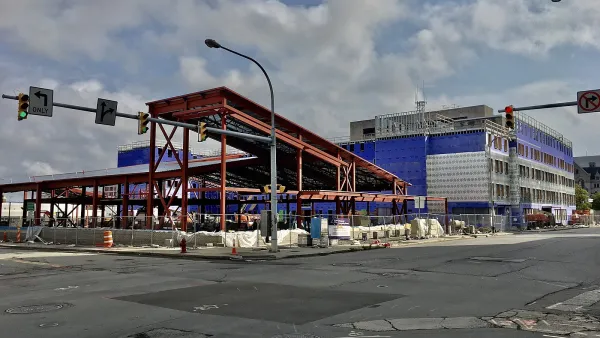
Buffalo Development Will Feature the City's First Mobility Hub
The project, which is located near light rail and bus stations, will also include a ride hailing zone, bike parking, and improved pedestrian facilities.

FREE Course: Walkable City 1: Why Walkability?
After describing his path towards focusing on walkability as the essence of good planning, Jeff Speck marches through his five principal reasons for making more walkable places.
Reinventing Malls: Planning Alchemy—Turning Gray Fields Into Gold
The course focuses on the opportunities and imperatives that shape reinvention of mall sites.

City of Rosemead
Rutgers University, Edward J. Bloustein School of Planning and Public Policy
One Hundred Miles
University of Michigan School for Environment and Sustainability (SEAS)
Hunter College, City University of New York (CUNY)
The Architects Foundation
City of Cambridge
Montrose County
The Pocatello Development Authority









