Extreme Weather
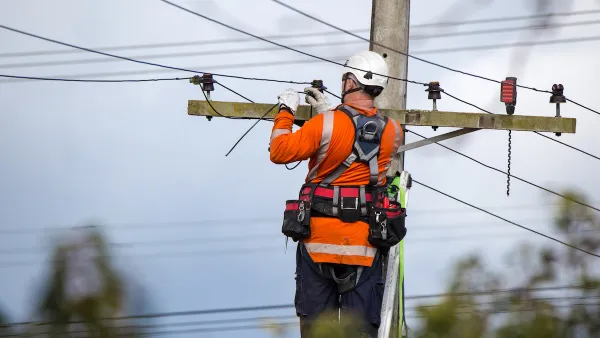
Building Resiliency in Rural Power Grids
A National Science Foundation study seeks to understand the impact of climate change and extreme weather on rural electrical grids in diverse geographic areas.
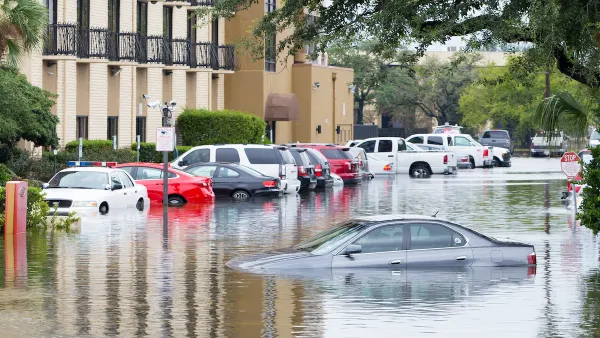
FEMA Resilience Designation Targets At-Risk Areas
Federally identified ‘disaster resilience zones’ could receive more funding and resources to urgently address climate resilience and prepare their neighborhoods for future extreme weather.
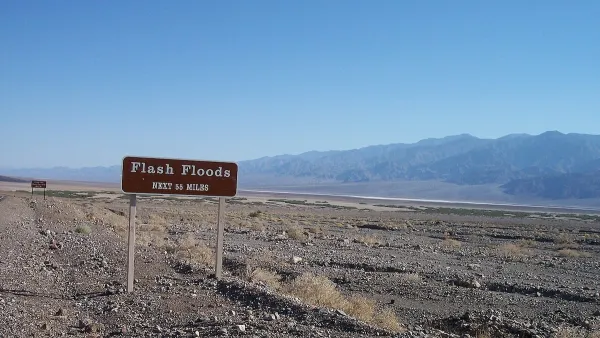
A Hurricane in Death Valley
The heavy rain brought by a rare West Coast hurricane could have long-lasting impacts on this iconic American landscape.
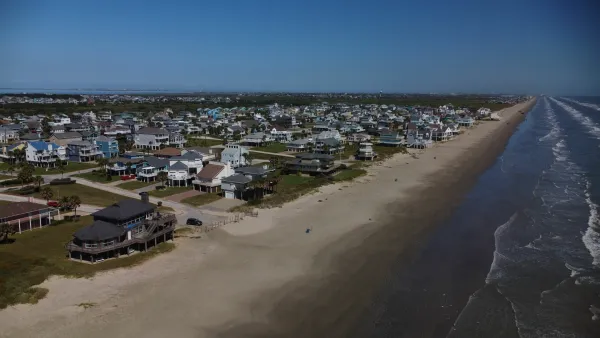
Looking for a Beach House? Check Your Risk First.
A new report from the insurance industry names the historic town of Galveston, Texas as the riskiest place to buy a beach house in the United States.
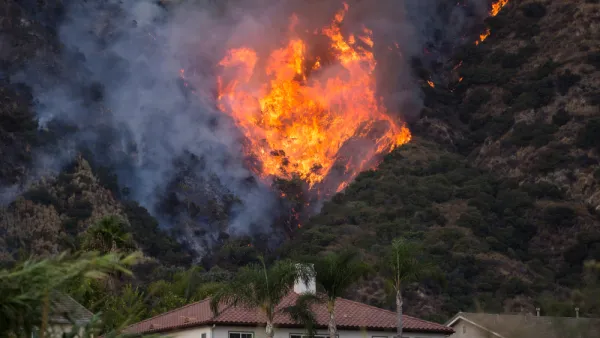
Can Insurance Woes Finally End Sprawl?
Environmental risks are becoming too much for the home insurance industry to bear. Could this be the first signs of the collapse and reversal of sprawling land use patterns?
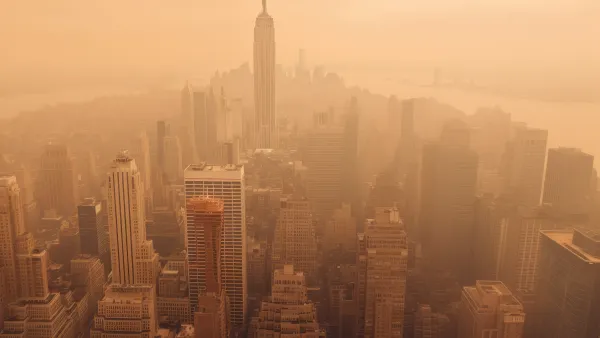
How Responsible Is Climate Change for Increased Wildfires?
“Nearly all” since 2001, according to a new study on California wildfires by the Lawrence Livermore National Laboratory published in the Proceedings of the National Academy of Sciences.
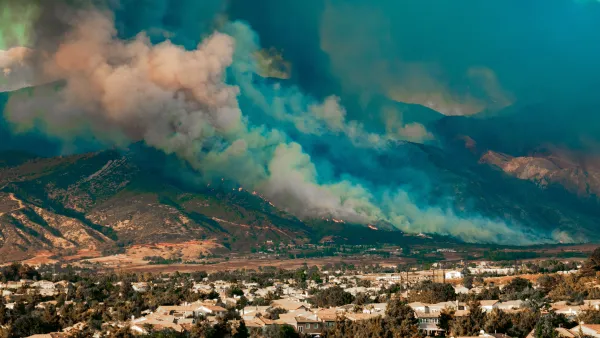
Home Insurers Are Fleeing California
Homeowners in the state are finding it increasingly difficult to secure insurance policies thanks to the growing risks of wildfire, drought, and other climate threats.
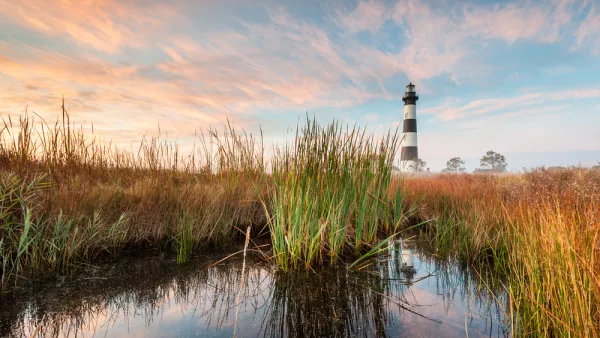
Working With Nature, Not Against It
The concept of ‘natural capital’ calls on policymakers to consider the value of natural infrastructure, which can often improve climate resilience without expensive construction projects.
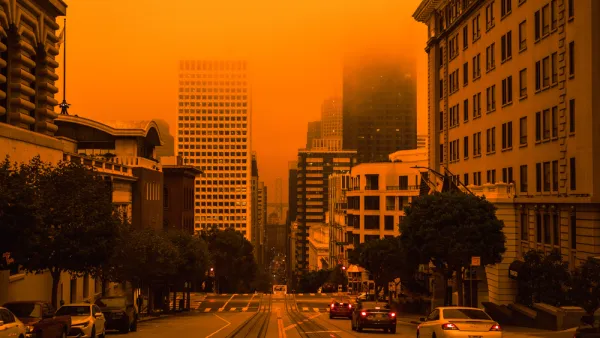
The High Cost of Climate Disasters
Extreme weather events in the United States cost $165 billion and killed more than 474 people last year.
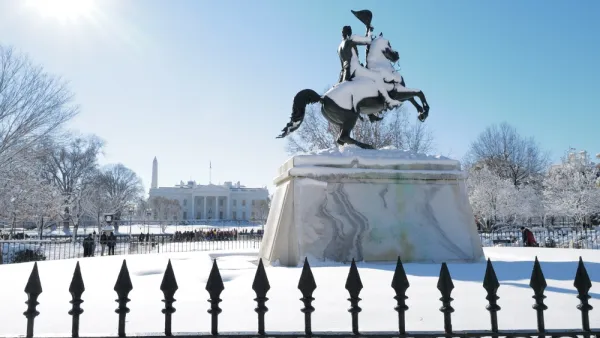
Winter Storm Knocks Out Drinking Water Systems in the South, Including in Jackson
Jackson, Mississippi made headlines and incurred a civil rights investigation earlier this year when flooding knocked out the city’s drinking water supply. This week’s winter storm had the same effect on Jackson as well as other Southern cities.
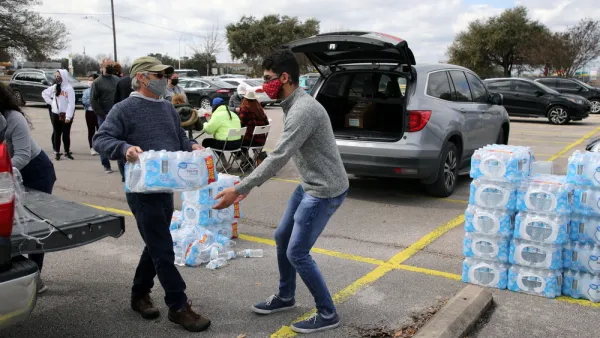
How Mutual Aid Increases Community Resiliency
Recent devastating weather events highlight the importance of community connection in keeping people safe when infrastructure fails.
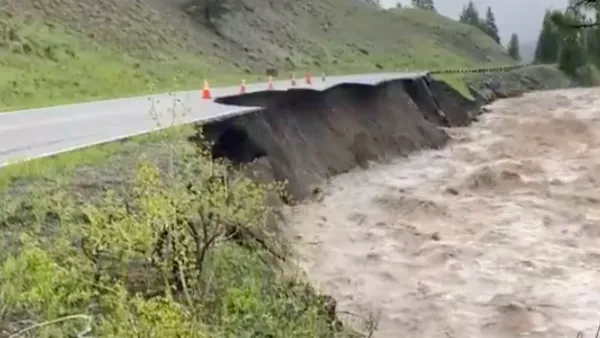
How the Yellowstone Floods Laid Bare a Housing Crisis
This year’s historic floods ravaged communities already roiled by spiking housing costs and a shortage of available workforce housing near the nation’s oldest national park.
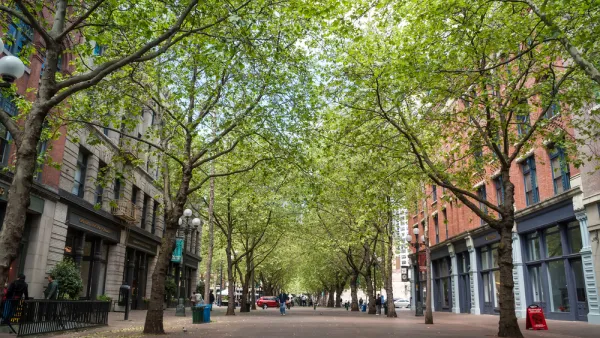
Cool Planning for a Hotter Future
Global warming increases the importance of designing buildings and communities that are comfortable, efficient, and safe in hot conditions.
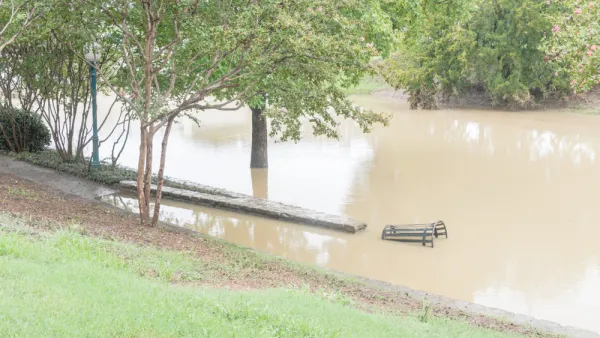
Fort Worth Spending More on Flood Control; Still Well Short of What’s Needed
Fort Worth could spend $136 million on stormwater infrastructure and flood control over the next five years. In all, the city needs more like $1 billion of investment.
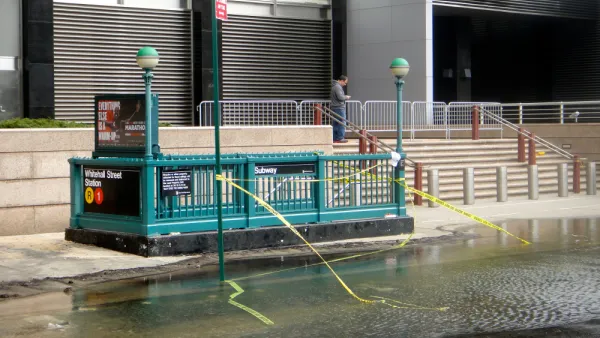
How Extreme Weather Threatens Transit Systems
As weather events become more intense and unpredictable, transit agencies must take steps to protect their aging infrastructure from flooding, storms, and extreme heat.
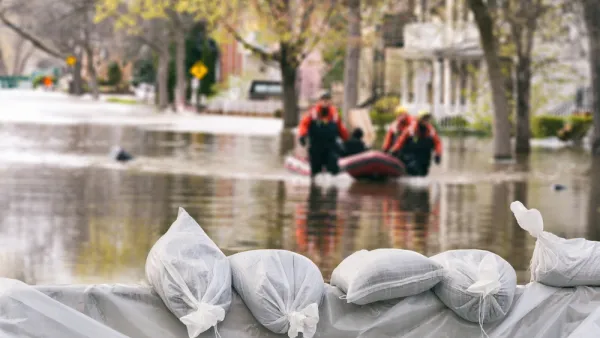
Infrastructure Must Catch Up With Climate Change
The worsening effects of extreme weather events are accelerating the deterioration of critical infrastructure, leaving communities more vulnerable.
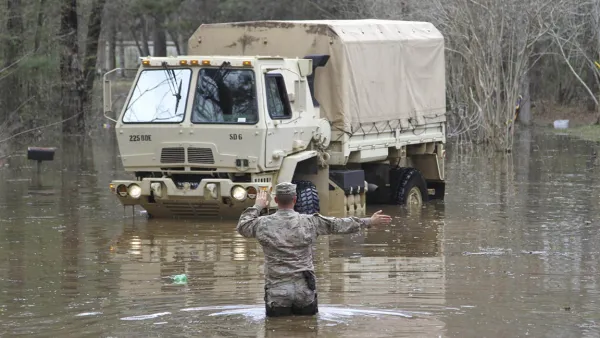
$7.3 Billion Federal Resilience Funding Program Announced
The Biden administration announced guidance for $7.3 billion in funding under the PROTECT Formula Program at the end of July.
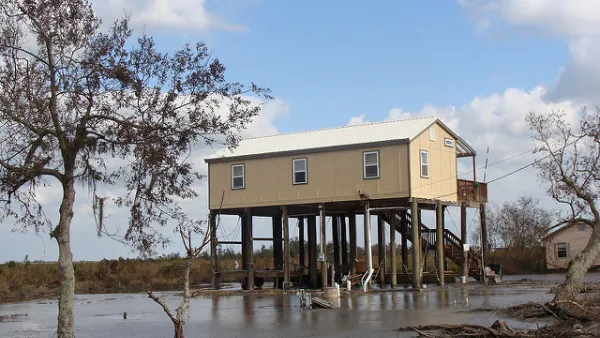
FEMA Flood Mitigation Initiative Will Pay Homeowners To Move
The Swift Current grant program will distribute $60 million to homeowners in high-risk counties to help pay for flood mitigation measures or relocation.
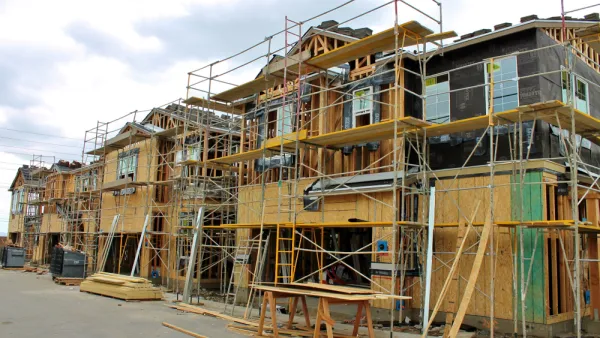
California Governor's Budget Supports Infill Development
Governor Newsom's new budget proposes incentives for developers to build housing in existing urban areas away from fire-prone zones to reduce fire risk and add to the state's insufficient housing stock.
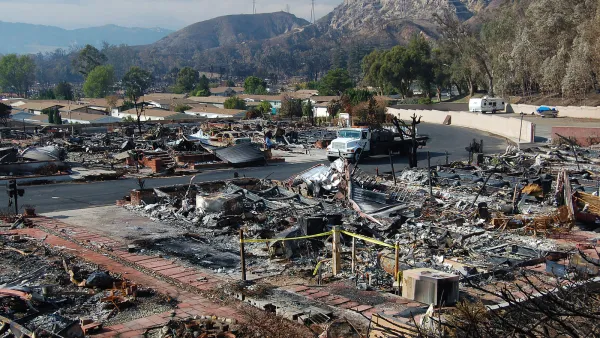
U.S. Communities Increasingly at Risk of Extreme Weather Events
As development pushes into more wildfire-prone areas and climate change makes extreme weather conditions more common, more Americans are experiencing the destructive impacts of climate disasters.

FREE Course: Walkable City 1: Why Walkability?
After describing his path towards focusing on walkability as the essence of good planning, Jeff Speck marches through his five principal reasons for making more walkable places.
Reinventing Malls: Planning Alchemy—Turning Gray Fields Into Gold
The course focuses on the opportunities and imperatives that shape reinvention of mall sites.

One Hundred Miles
County of Mendocino
planning NEXT
The Architects Foundation
University of Cincinnati Online
Montrose County
Northern Illinois Transit Authority (NITA)
The Pocatello Development Authority