Biodiversity
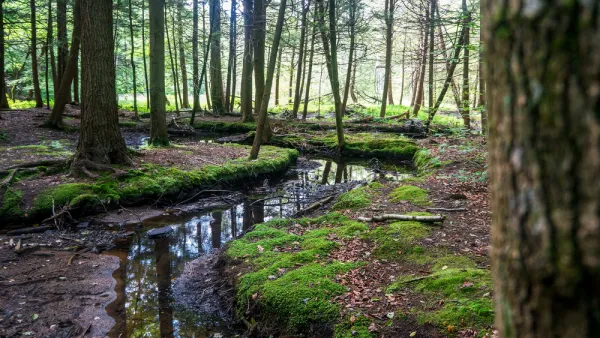
An App for Teaching Forest Management
Augmented reality shows what the forest would look like with a full complement of biodiversity.
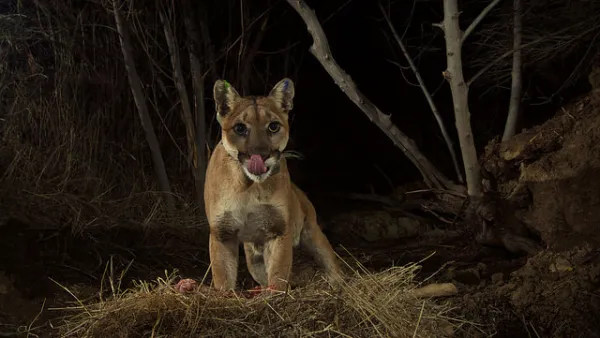
The Best Locations for L.A.’s Mountain Lion Freeway Bridges
A coalition of researchers have identified one area near the 101 and other near I-15 that would help keep the big cats alive and healthy.
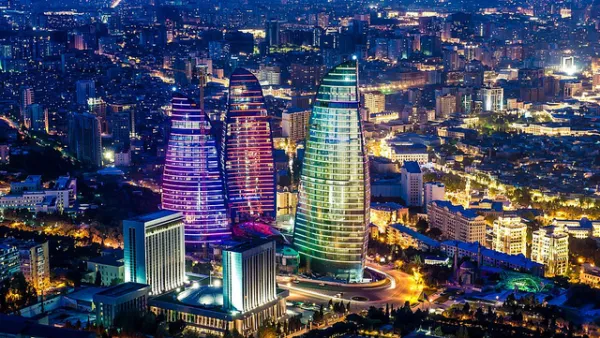
Mapping the Collision Course of Sprawl and Biodiversity
The expansion of the built environment proceeds with little regard for the loss of biodiversity, and the planning field isn't doing enough to help.
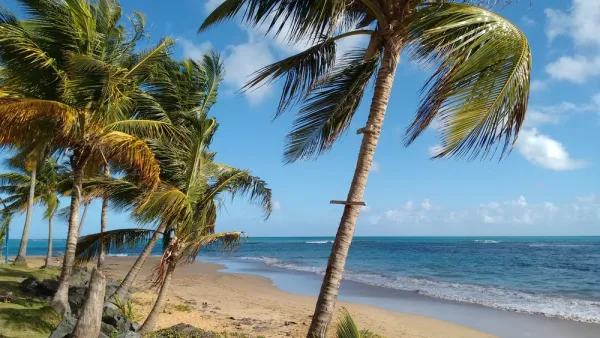
Islands of the World Get Their Own Smart Congress
After six years of successful Smart City Expo World Congresses in Barcelona, the island of Majorca will host one that focuses exclusively on islands. It will focus on technology and innovation, and address unique challenges islands face.
Rewilding Cities: Wellness and Nature
When nature is integrated into urbanism, wellness surges. Hazel Borys looks at the benefits.
The ASLA's New Guide to Resilient Design
The American Society of landscape Architects is promoting a new guide to resilient landscape design, which examines hundreds of case studies for examples of infrastructure that works with nature, instead of against it.
'Native Plants' Won't Save Urban Biodiversity
Part literature review, part political appeal, this article makes the case for rethinking the concept of what makes plants native—especially in the face of climate change.
How Lizards Can Teach Planners About Designing Cities
Ecologists offer scientific lessons in how to better build cities for humans and wildlife.

Add Complexity to Your Life
The City of Calgary aims to restore 20 percent of its open space to increase biodiversity. Complex nature is—and needs to be seen as—foundational to our day-to-day lives, both for our well being, and the health of nature itself.
Friday Eye Candy: Explore Manhattan in 1609
A new online interactive project allows new access to the history of Manhattan before Dutch settlers began taking residence on the island in 1609
Study: Astounding Loss of Global Biodiversity in Last 40 Years
According to a newly released study by the World Wildlife Fund, the Zoological Society of London, and other NGOs, the world has lost half of its biodiversity, particularly in fresh water ecosystems and in developing nations.
Massive Swan Kill Planned in New York
“Across millennia [mute swans] symbolized transformation and devotion, light and beauty,” says a recent article in Wired. Not so much in New York City, where the city’s population of mute swans will be reduced to zero to protect other native species.
The Wicked Problem of Urban Biodiversity, pt 1
Biodiversity is not something “out there”, studied in labs, outside of our cities. It is a borderless organism that resists complete solutions to the problems arising in such interconnectivity.
Another Story of a City: Biodiversity
The short-sightedness of overarching proclamations for the right city form obscures the very context in which cities are built and expanded. City planning must become reconnected to its environmental context.
Conserving the Biodiversity of Massachusetts in a Changing World
BioMap2 is designed to guide strategic biodiversity conservation in Massachusetts over the next decade by focusing land protection and stewardship on the areas that are most critical for ensuring the long-term persistence of rare and native species.
How Much Are Ecosystems Worth?
A Swedish research center has been tasked by the government with valuating the services rendered by ecosystems and educating the public on the importance of biodiversity.
Global Urbanization's Threat to the Global Environment
In the developed world, increased urbanization can be a net boon for the environment. Yet, writes Bryan Walsh, if not planned for carefully, the rapid urbanization of developing world could have a dramatic impact on climate change and biodiversity.
Urban Sprawl and Development Threatening Biodiversity in Animals
Habitat fragmentation linked with urban sprawl and development has been shown to negatively impact biological diversity in animals, according to new research.

FREE Course: Walkable City 1: Why Walkability?
After describing his path towards focusing on walkability as the essence of good planning, Jeff Speck marches through his five principal reasons for making more walkable places.
Reinventing Malls: Planning Alchemy—Turning Gray Fields Into Gold
The course focuses on the opportunities and imperatives that shape reinvention of mall sites.

Harvard University Graduate School of Design
KFH Group Inc.
Greater Baltimore Committee
The Architects Foundation
University of Cincinnati Online
The Pocatello Development Authority
The Urban Renewal Agency of the City of Pocatello