Agriculture
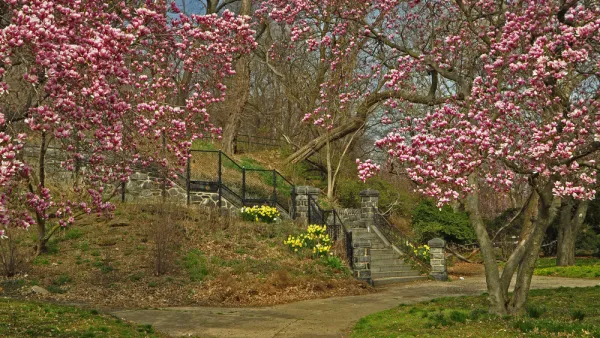
A New Green Thumb Tool for Planners
The Greenprint Resource Hub aims to integrate open space, parks, and agriculture into city and regional planning efforts.
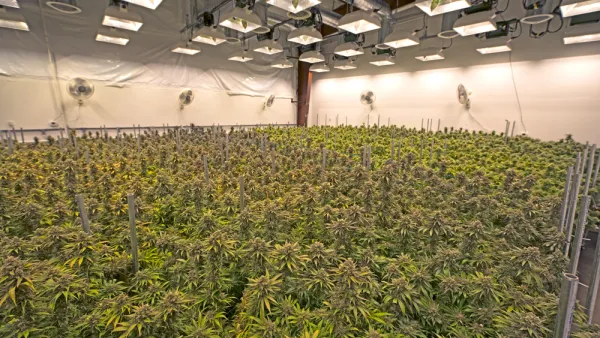
As Medical Cannabis Grows, So Does the Space Needed for It
Despite its medicinal benefits, cannabis will negatively impact the environment if we don’t plan accordingly.
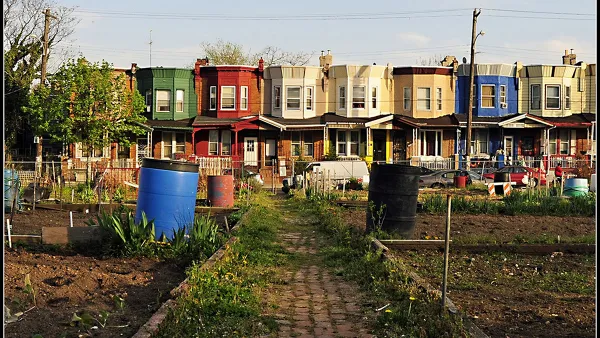
The Future of Farming is Millennials
An aging population of farmers may give way to a generation of young entrepreneurs who see the value and values of growing food.
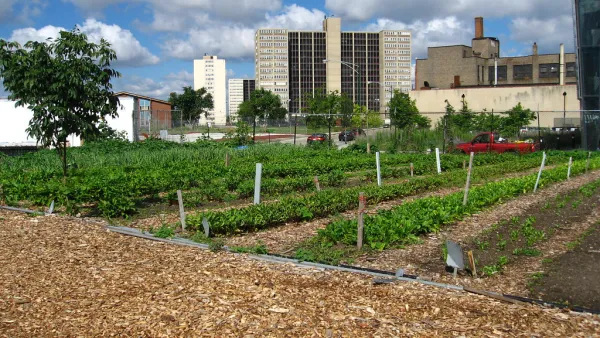
Is This a Way Forward for Urban Farming?
Pulling in community members and a network of local nonprofits, Phoenix's "Spaces of Opportunity" is an attempt to make urban farming something more than a catchphrase.
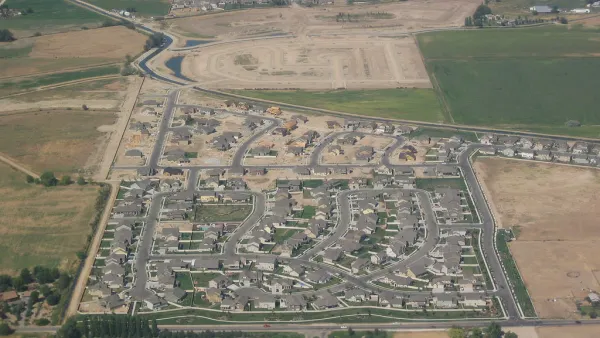
Farmland Preservation a Hot Topic in Idaho's Most Populous County
As the city of Boise and surrounding communities in Ada County, Idaho continue to grow and sprawl outward, agricultural land in the county may become a thing of the past.
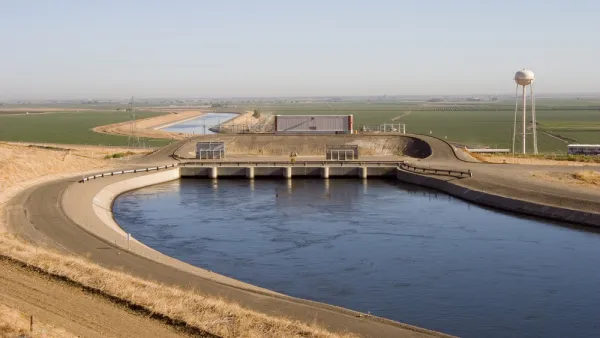
California Water Plan Foretells Tension Between Cities, Farmers
Recognizing the ongoing drought's severity, Sacramento is set to adopt a new statewide conservation plan. But some say the regulations don't place enough pressure on California's agricultural sector.
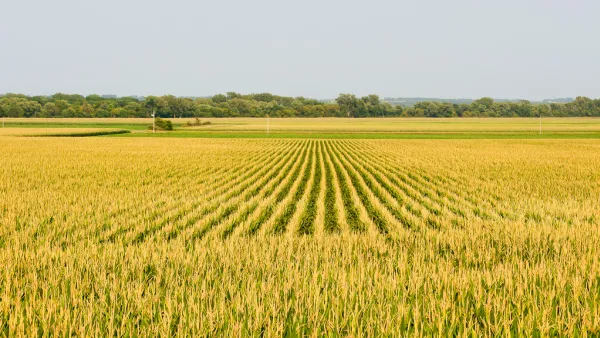
Big Agriculture Mergers Raising Antitrust Alarms
At risk with industry consolidation like a proposed merger of Bayer and Monsanto, is the environmental impact of the business, along with the financial impact on farmers.
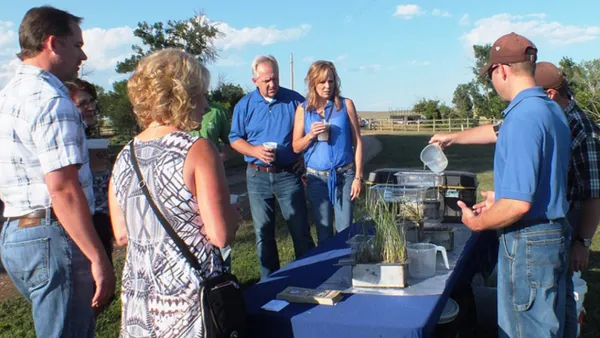
Grants Awarded to Boost Agriculture Projects in Conservation Districts
Forty-two conservation districts in 25 state received grants totaling $2 million this week. The funding will create technical assistance opportunities for urban agriculture and conservation projects.
What Distinguishes a 'Real' CSA?
Community-supported agriculture (CSA) programs originally let local buyers support local growers. But with a rise in subscription-based "food box" clubs, it's getting harder to say what a real CSA looks like.
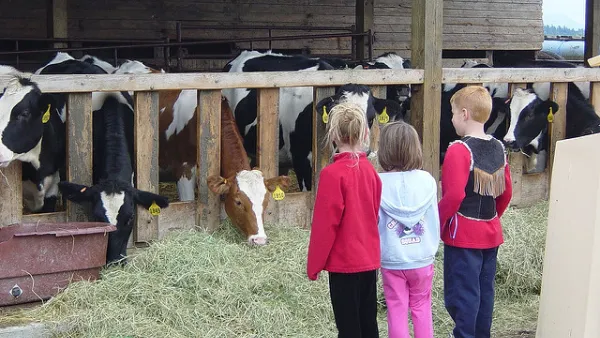
The 'Myth' of Family Farms
Historian Gabriel Rosenberg challenges romanticism in the history of family farms in the US.
While Commodities Sink, Solar Power Rises on Farmland
Some of the nation's new clean energy capacity is being built on land that formerly grew crops. The sun, quite literally, is worth more than peanuts.
Canada Ready to Renegotiate Critical Columbia River Treaty
The U.S. and Canada have come to an agreement that it's time to renegotiate a treaty that governs the management of dams and water along the Columbia River—one of the largest rivers on the continent.
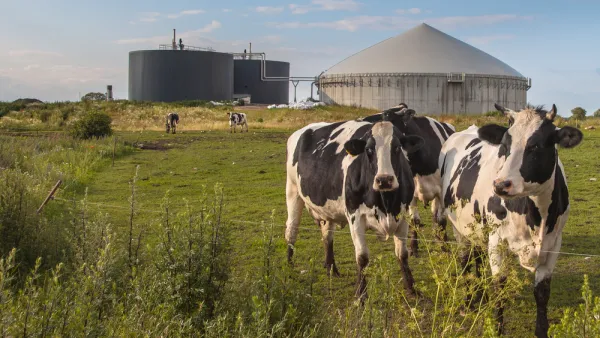
Renewable Biogas Can't Compete with Cheap and Plentiful (Fossil) Natural Gas
Unlike Europe where renewable energy is heavily subsidized, very few biogas projects that convert farm waste to energy using anaerobic digesters are being built in the U.S. State incentives are instrumental due to high capital and maintenance costs.
'Rust Belt Riders' Grow New Composting Service in Cleveland
Waste management and composting take an entrepreneurial twist through Cleveland millennials' burgeoning home-grown business.
Confronting Climate Change, Rethinking the City
Overcoming our carbon dependence should be seen as an opportunity to rethink for the better an institution largely shaped by and for fossil fuel: our cities.
Mapping the U.S. 'Turkey Belt'
Don't worry; we're not mentioning belts to make you feel too guilty to enjoy today's meal.
Building a Better Suburb
Suburbs are changing. Instead of "green lawns, sprawling backyards, and lots of parking for cars," now there are "agri-hoods."
The Incredible Sinking Central Valley
Parts of the nation's food basket, the San Joaquin Valley in California, are sinking at two inches per month, not per year. Known as subsidence, it results from over-pumping of groundwater by farmers desperate to save their crops in the epic drought.
Drought Exacerbates Conflict Between Cattle and Almonds in California's Central Valley
Sasha Khokha takes an in-depth look at the conflicting interests of cattle and almond businesses in California's Central Valley.
Management, Not Technology, Will Solve California's Drought
It should come as no surprise that Eduardo Porter, who writes the Economic Scene column for The New York Times, is not enamoured by technological silver bullets like desalination as ways for California to survive it's four-year plus drought.

FREE Course: Walkable City 1: Why Walkability?
After describing his path towards focusing on walkability as the essence of good planning, Jeff Speck marches through his five principal reasons for making more walkable places.
Reinventing Malls: Planning Alchemy—Turning Gray Fields Into Gold
The course focuses on the opportunities and imperatives that shape reinvention of mall sites.

City of Rosemead
Rutgers University, Edward J. Bloustein School of Planning and Public Policy
One Hundred Miles
University of Michigan School for Environment and Sustainability (SEAS)
Hunter College, City University of New York (CUNY)
The Architects Foundation
City of Cambridge
Montrose County
The Pocatello Development Authority









