Social / Demographics
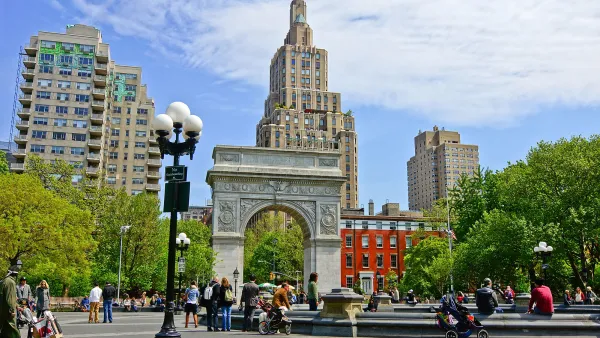
Reshaping Cities for Present-Day Populations
The demographic changes of the last few years give city planners and urban designers an opportunity to reimagine how public spaces can most effectively promote public health, wellbeing, and equity.
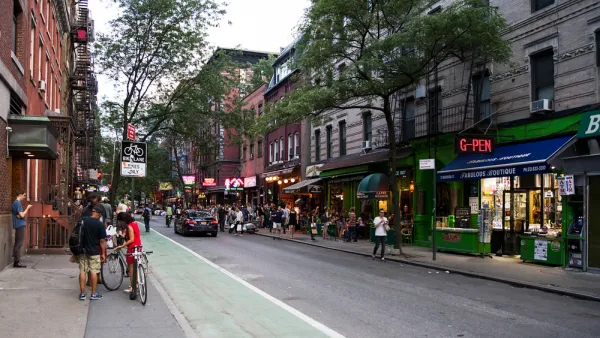
Jane Jacobs and Zoning
Does the work of Jane Jacobs support restrictive zoning?

Study: Extracurricular Activities Benefit Children’s Mental Health
A new study indicates that improving access to extracurricular activities (EA) may help address the growing mental health needs of children and caregivers.

Utah Governor: Californians, Stay Home
Gov. Spencer Cox urged Californians considering the move to Utah to stay put, highlighting the state’s rapid growth and the strain on resources like water and housing.

How L.A. County is Ensuring Data-Informed, Equity-Driven Implementation of the American Rescue Plan
Los Angeles County has developed a series of tools to democratize data on communities most impacted by COVID-19 and the American Rescue Plan (ARP) Act programs and services developed to serve them.

The Importance of Good Data Visualization
When done right, data visualization effectively translates complex data into easily understood visuals in the form of graphs, charts, maps, plots, animations, and more.

Cleveland: The Nation’s Most Equitably Walkable City
A new study assesses which cities have the broadest access to walkable neighborhoods.

State Estimates Show Third Year of Population Loss for California
Demographic data from the California Department of Finance released last month shows a third consecutive year of population loss, mirroring Census data. Los Angeles and Santa Clara counties saw the highest numeric losses.
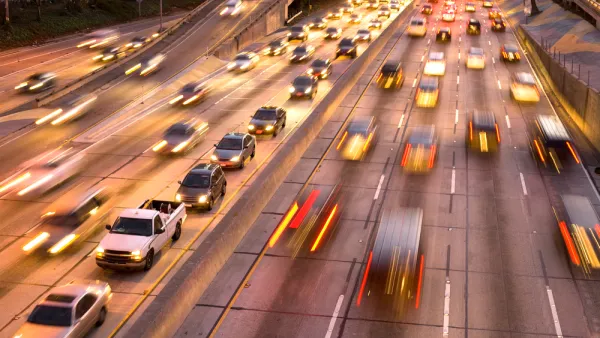
Lonely by Design: How Urban Planning Can Intensify Social Isolation
Walkable neighborhoods, access to parks, and opportunities for social interaction can help reduce the burden of loneliness and promote community. But many of our cities aren’t built this way.
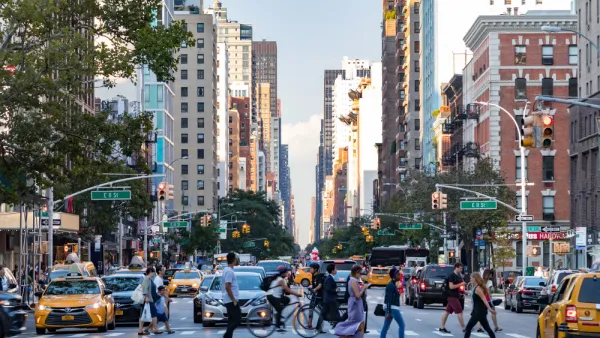
Foot Traffic Ahead: Report Reveals the Resilience of Walkable Places
Reports of the city’s death have been greatly exaggerated, according to new research from Smart Growth America.
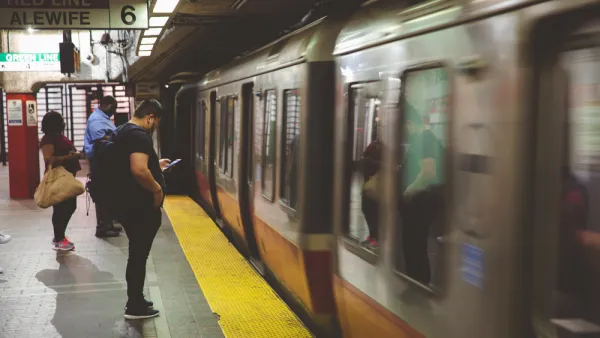
Assessing Transit Equity in Boston
The Transit Equity Dashboard highlights stark disparities in access to jobs, healthcare, and other essential services between Boston neighborhoods.

How To Prevent ‘Green Gentrification’: Lessons from the BeltLine
For one author, the key is focusing on affordable housing from the start.
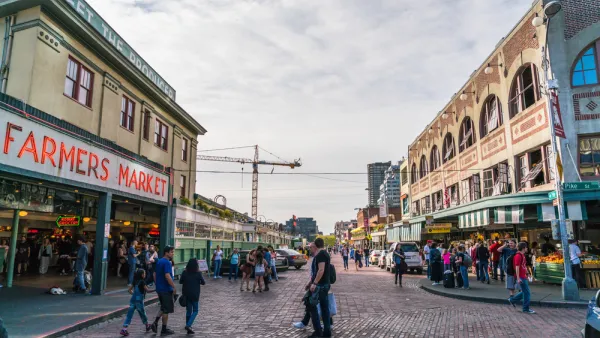
Push and Pull: The Link Between Walkability and Affordability
The increased demand for walkable urban spaces could make them more and more exclusionary if cities don’t pursue policies to limit displacement and boost affordability.

How Emergency Planning Fails People With Disabilities
In California and elsewhere, power outages can threaten the lives of people dependent on medical devices, while evacuation plans often don’t account for the needs of disabled people.

Advancing Parks and Recreation with Census Data
Census data are used in a variety of ways that impact parks and recreation, including helping to determine where new parks are built and how funds for park projects and recreation programs are distributed.

Tragedy Strikes America's First Suburban Chinatown
Learn more about Monterey Park, a city in the San Gabriel Valley, which was devastated by a mass shooting over the weekend.
Wave of Household Growth Likely Cresting, Relieving Crowded Housing Markets
A recent series of data on the growth of households in the United States reveals the unprecedented scale of housing demand in recent years.

Cities Need Data to Secure and Maximize Federal Funding
To secure and maintain federal funding for projects and programs, local governments need data to identify priorities, support grant applications, and monitor and track progress.
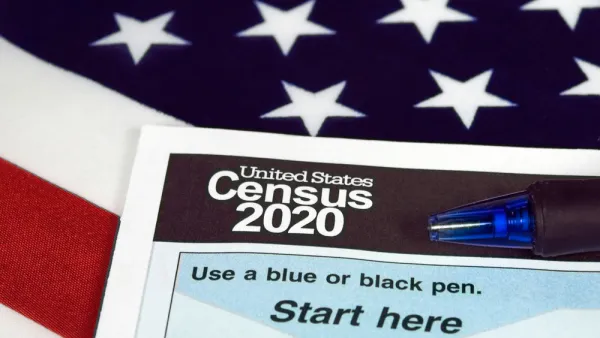
Advancing Equity with Census Data
The U.S. Census Bureau offers a variety of data and tools that can be used by policy-makers and the public to better understand underserved communities and advance equity.

The Importance of Cooling Centers
A new UCLA study examines how formal and informal cooling centers are being used in Los Angeles County.

FREE Course: Walkable City 1: Why Walkability?
After describing his path towards focusing on walkability as the essence of good planning, Jeff Speck marches through his five principal reasons for making more walkable places.
Reinventing Malls: Planning Alchemy—Turning Gray Fields Into Gold
The course focuses on the opportunities and imperatives that shape reinvention of mall sites.

City of Charlotte
City of Rosemead
Rutgers University, Edward J. Bloustein School of Planning and Public Policy
University of Michigan School for Environment and Sustainability (SEAS)
Hunter College, City University of New York (CUNY)
The Architects Foundation
University District Partnership









