A grant program under the direction of Georgia Tech, with support from Georgia Power and the Atlanta Regional Commission, among others, has awarded grants for the development of "smart community" technology.


"The next generation of transportation technology is to be developed in Chamblee and Gwinnett County, which on Tuesday were awarded cash grants and year-long technical support from a Georgia Tech research team," reports David Pendered. "They were among the four winners of the first Georgia Smart Communities Challenge."
"Chamblee intends to study the use of shared autonomous vehicles," according to Chamblee. Much of the potential benefit from autonomous vehicles is predicated on the idea of shared vehicles fleets.
Gwinnett County will take a different approach to transportation technology, studying and implementing technology "to improve safety and mobility along a 20-mile section of Peachtree Industrial Boulevard," according to Pendered.
Each grant is worth $50,000, along with $25,000 of researcher support. Chatham County and Albany won the other two awards, but their work will focus on sea level rise and housing, respectively.
FULL STORY: Chamblee, Gwinnett County win grants to devise smart transportation technology

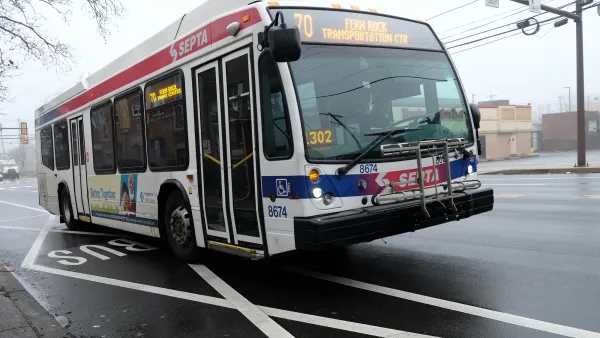
Pennsylvania lawmaker wants to ban fully self-driving buses
State Rep. Ben Waxman's proposed bill would require autonomous buses to have a licensed driver on board.
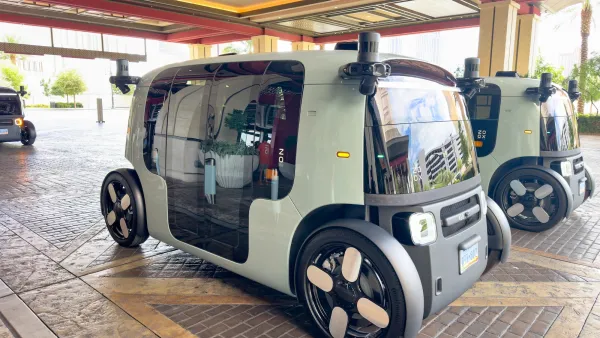
Amazon's steering wheel- and brake pedal-less Zoox robotaxis receive nation's first go-ahead for paid public rides
The NHTSA is giving a temporary permit to some autonomous cars that don't meet current safety standards as it develops a new framework for self-driving vehicles.
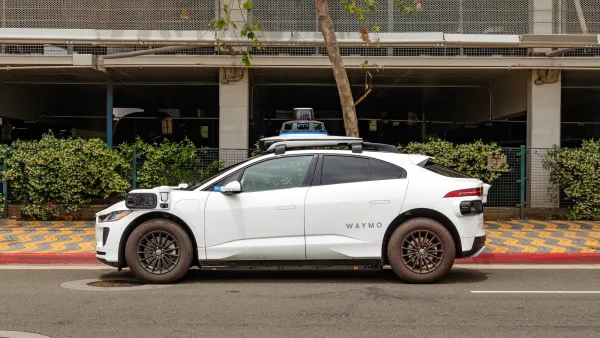
Austin Waymos rack up nearly $10k in parking tickets
The robotaxis have been cited for parking in tow zones and double parking, among other violations.

The state-sanctioned urbicide of Austin
People don’t kill cities. Freeways do.

US to reduce Colorado River water deliveries to Mexico
A new Colorado Treaty amendment reduces Mexico’s Colorado River water allocation by 250,000 acre feet.

New Jersey’s second-largest city bans standalone data centers
Jersey City will continue to allow co-location facilities, such as those meant for research institutions that store their own data.

Amtrak not solely to blame for New Jersey commuter rail's unreliability, report finds
A new study from the Garden State Initiative found that NJ Transit’s budget grew 20% across a 4 year period, but reliability declined significantly over the same period.

EPA erases limits on planet-warming pollution from power plants
Under Monday’s plan, power plants would still have some limits on how much mercury, arsenic and other contaminants they can emit.

Phoenix announces new on-demand transit service, more frequent RAPID buses
Both new services will launch in October, and are part of Phoenix's Project Effective Access Solutions for Easing Congestion.

FREE Course: Walkable City 1: Why Walkability?
After describing his path towards focusing on walkability as the essence of good planning, Jeff Speck marches through his five principal reasons for making more walkable places.
Reinventing Malls: Planning Alchemy—Turning Gray Fields Into Gold
The course focuses on the opportunities and imperatives that shape reinvention of mall sites.

Eagle County Government
Harvard University Graduate School of Design
Nashville Planning Department
The Architects Foundation
University of Cincinnati Online
The Pocatello Development Authority
The Urban Renewal Agency of the City of Pocatello
Journal of the American Planning Association