Are the iconic symbols of modern architecture a new front line in the new era of culture wars?



According to an article by Amanda Kolson Hurley, the so-called Alt-Right has a declared war on a new foe: modern architecture. To back up this take, Kolson Jurley presents two pieces of evidence:
On June 30, the far-right website Infowars posted a 15-minute-long video titled “Why modern architecture SUCKS.” This foray into design criticsim by Infowars—better known for pushing the ludicrousPizzagate conspiracy and for host Alex Jones’ insistence that the Sandy Hook massacre was faked—comes on the heels of another video that turns well-known works of architecture into symbols of liberal decadence. I’m referring to the National Rifle Association’s “clenched fist” ad, which critics have called “chilling” and “an open call to violence.”
According to Kolson Hurley, the signaling of the NRA ad is implicit, while the Infowars video represents a "full-bore attack." Taken together, however, the message coming from these media outlets is that modern architecture "is the province of the liberal urban elite, and that it stands for oppression."
Kolson Hurley provides a close reading of each video, even finding some reasons to agree with the author of the Infowars video, Paul Joseph Watson, on matters such as zoning.
FULL STORY: Why Is the Alt-Right So Angry About Architecture?

Bikes Become Target of Conservatives' Vitriol
Is biking a partisan past time? If you listen to conservative leaders, you might think bikes were created as part of a liberal mission to spread socialism and curtail personal freedoms. Cycling is the unlikely new front in the culture wars.
How Mass Transit Became a Focus of the Culture Wars
Delving into the psychology behind the House transportation bill, Will Doig investigates the reasons why the Tea Party have turned their attention to mass transit as the next culture war battleground.
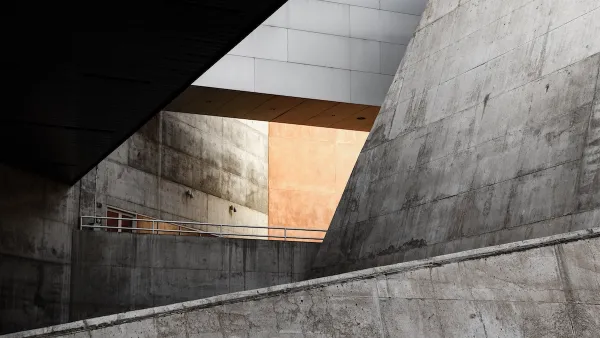
What ‘The Brutalist’ Teaches Us About Modern Cities
How architecture and urban landscapes reflect the trauma and dysfunction of the post-war experience.

The state-sanctioned urbicide of Austin
People don’t kill cities. Freeways do.

US to reduce Colorado River water deliveries to Mexico
A new Colorado Treaty amendment reduces Mexico’s Colorado River water allocation by 250,000 acre feet.

New Jersey’s second-largest city bans standalone data centers
Jersey City will continue to allow co-location facilities, such as those meant for research institutions that store their own data.

Amtrak not solely to blame for New Jersey commuter rail's unreliability, report finds
A new study from the Garden State Initiative found that NJ Transit’s budget grew 20% across a 4 year period, but reliability declined significantly over the same period.

EPA erases limits on planet-warming pollution from power plants
Under Monday’s plan, power plants would still have some limits on how much mercury, arsenic and other contaminants they can emit.

Phoenix announces new on-demand transit service, more frequent RAPID buses
Both new services will launch in October, and are part of Phoenix's Project Effective Access Solutions for Easing Congestion.

FREE Course: Walkable City 1: Why Walkability?
After describing his path towards focusing on walkability as the essence of good planning, Jeff Speck marches through his five principal reasons for making more walkable places.
Reinventing Malls: Planning Alchemy—Turning Gray Fields Into Gold
The course focuses on the opportunities and imperatives that shape reinvention of mall sites.

Eagle County Government
Harvard University Graduate School of Design
Nashville Planning Department
The Architects Foundation
University of Cincinnati Online
The Pocatello Development Authority
The Urban Renewal Agency of the City of Pocatello
Journal of the American Planning Association