The American Rivers advocacy group has released its annual report on the country's most endangered rivers, paying special attention to the threats posed to the country's waterways in new federal policies and budget plans.


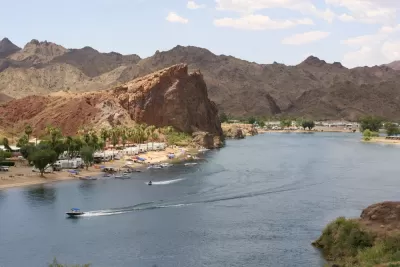
"This is a critical year for rivers and clean water. Our America’s Most Endangered Rivers® of 2017 report sounds the alarm," writes Amy Souers Kober to introduce the latest release of the "Most Endangered Rivers" report, created by Washington, D.C.-based American Rivers.
Topping the list is the Lower Colorado River, which provides drinking water to 30 million Americans. But much of the focus of the post is on the threats posed to all of the country's rivers, as represented by the executive orders, budget blueprint, and campaign promises of the Trump Administration.
Souers Kober (who serves as the national communications director for American Rivers) writes:
President Trump has abandoned critical river protections including the Clean Water Rule, leaving small streams and wetlands – sources of drinking water for one in three Americans – vulnerable to harmful development and pollution.
He has also proposed significant budget cuts that would cripple river restoration and protection efforts nationwide, with severe impacts to drinking water supplies, fish and wildlife and recreation.
Alexandra E. Petri followed up on the news of the report's release with a post for National Geographic explaining the environmental concerns and policy changes that contributed to this year's report. Daniel Jack Chasan provides local coverage of the South Fork Skykomish River in Washington, which made the list five years ago and again this year. Planetizen most recently covered the 2015 list, when a different section of the Colorado River topped the list.
Read the full story: ANNOUNCING AMERICA’S MOST ENDANGERED RIVERS® OF 2017

'Most Endangered River' in the United States: the Colorado River in the Grand Canyon
American Rivers' list of the "Most Endangered" U.S. rivers provides an annual reminder of the abuse waterways bear in the name of the country's economy and culture.
America's Most Endangered Waterways
In time for Earth Day, American Rivers has released its annual list of the country's most threatened rivers. Topping this year's list is the Colorado River, a waterway so dammed, diverted and over-tapped that it ultimately "dries to a trickle."
The Nation’s Most Endangered Rivers
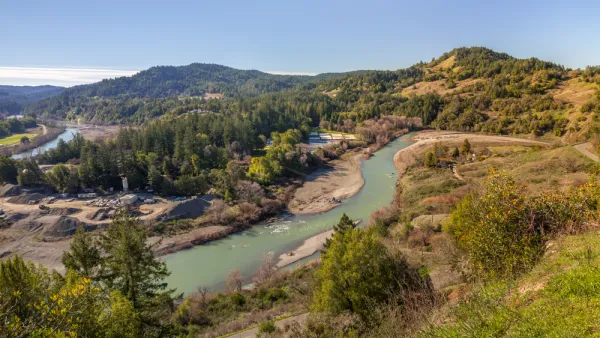
An annual list from American Rivers highlights the waterways most at risk from climate change, poor water management, pollution, and other dangers.

Planetizen Federal Action Tracker
A weekly monitor of how Trump’s orders and actions are impacting planners and planning in America.

‘Going backwards:’ Baltimore mayor, students rally against state's transit funding plan
Maryland's proposed six-year plan provides no funding for Baltimore’s BMORE bus program and reduces its road maintenance funding.

Detroit to transform waterfront with $2.2 billion investment
Developers will convert about 18 acres of unused parking lot space into civic spaces.

Californians can now transform balconies into power generators
Gov. Gavin Newsom has legalized plug-in solar technology, which allows residents to plug solar panels directly into their outlets

85-year-old ranch is Texas’ newest state park
The 650 acre ranch is one of the largest parcels of land along Lake Palestine.

MIT to create AI-powered hub for public transportation companies
Google awarded the project, titled the Public Transit Intelligence Hub, $2.1 million in funding.

FREE Course: Walkable City 1: Why Walkability?
After describing his path towards focusing on walkability as the essence of good planning, Jeff Speck marches through his five principal reasons for making more walkable places.
Reinventing Malls: Planning Alchemy—Turning Gray Fields Into Gold
The course focuses on the opportunities and imperatives that shape reinvention of mall sites.

City of Thousand Oaks
City of Wisconsin Rapids
Harvard University Graduate School of Design
The Architects Foundation
University of Cincinnati Online
Northern Illinois Transit Authority (NITA)
The Pocatello Development Authority
The Urban Renewal Agency of the City of Pocatello