As Over-the-Rhine becomes a more prosperous neighborhood, some have undertaken efforts to make sure the long-time residents don't get left behind.


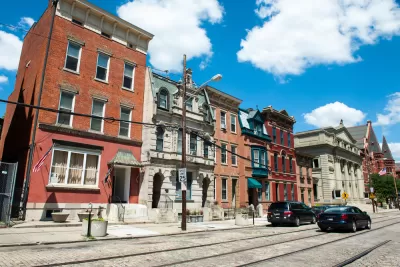
Cincinnati's Over-the-Rhine neighborhood is on a winning streak. It's had some of its most iconic buildings restored, there are more people on the sidewalks and the median income is rising. Some fear the neighborhood’s rising fortune may push out the very people the investment was created to help. "The Cincinnati Development Fund (CDF), founded in 1988, redoubled its efforts, lending and investing in Over-the-Rhine, now totaling more than $92 million in loans across more than 165 buildings in the neighborhood," writes Oscar Perry Abello for Next City. That investment has been part of what's caused the neighborhood to grow. "Although Over-the-Rhine’s black population grew from 2010 to 2015, according to Census Bureau estimates, it went from being 69 percent of Over-the-Rhine’s population in 2010 to 53 percent in 2015," adds Perry Abello.
As the neighborhood becomes less black and more affluent, fewer of the businesses seeking funding are run by black entrepreneurs. "In response to the disparity, Derrick Braziel, Allen Woods and William Thomas II created Mortar in 2014. An entrepreneurship accelerator, Mortar supports people from underserved communities, positioning them to take advantage of development going on around them," according to Perry Abello.
Read the full story: Keeping a Focus on Equity Amid Neighborhood Investment


Commentary: A New ‘Grand Bargain’ for American Housing
For decades, many U,S, neighborhoods successfully resisted change at the expense of a few neighborhoods sacrificed to mass development. Is there a better way?
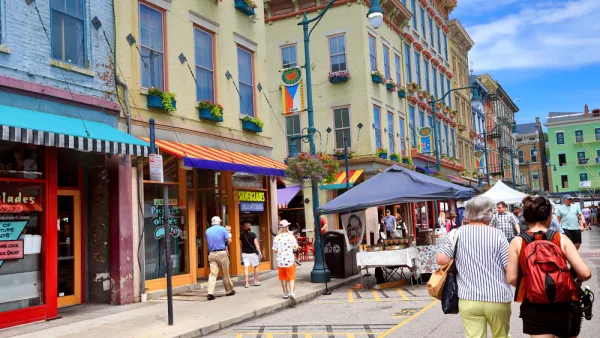
Black Residents Leaving Cincinnati's Fast Growing Urban Area
The housing market in the neighborhood of Over-the-Rhine is a 'segregation machine.'
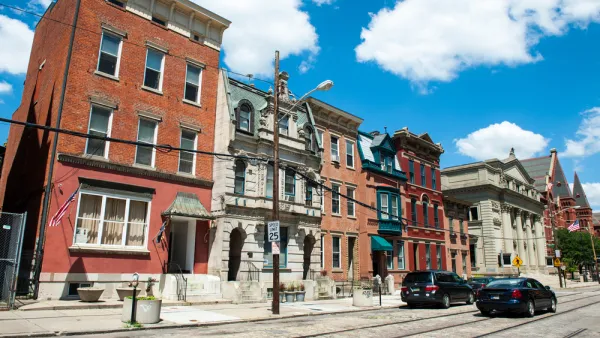
Uneven Redevelopment on Cincinnati's Vine Street
While the southern end of the thoroughfare is seeing rapid redevelopment and gentrification, the northern end has yet to reap any benefits from the nearby projects.

‘Going backwards:’ Baltimore mayor, students rally against state's transit funding plan
Maryland's proposed six-year plan provides no funding for Baltimore’s BMORE bus program and reduces its road maintenance funding.

Detroit to transform waterfront with $2.2 billion investment
Developers will convert about 18 acres of unused parking lot space into civic spaces.
Mamdani sent nearly 6,000 pied-à-terre tax warnings to homes that didn’t qualify
A judge has ordered the administration to cancel thousands of pied-à-terre tax notices after it sent 35% of them erroneously.

25 states, cities sue the EPA over erased power plant emissions limits
The coalition also intends to sue the EPA for not regulating emissions from gas-fired power plants.

Newsom vetoes giving CA tribes greater voice in water projects
In his veto letter, Newsom said the bill would add ‘uncertainty’ to the state’s fight to secure Californians’ water supplies.

Michigan Senate votes to revise 'lax' dam safety laws
A Bridge Michigan investigation found more than 100,000 Michigan residents live in the floodpath of a high or significant-hazard dam.

FREE Course: Walkable City 1: Why Walkability?
After describing his path towards focusing on walkability as the essence of good planning, Jeff Speck marches through his five principal reasons for making more walkable places.
Reinventing Malls: Planning Alchemy—Turning Gray Fields Into Gold
The course focuses on the opportunities and imperatives that shape reinvention of mall sites.

City of Thousand Oaks
City of Wisconsin Rapids
Harvard University Graduate School of Design
The Architects Foundation
University of Cincinnati Online
Northern Illinois Transit Authority (NITA)
The Pocatello Development Authority
The Urban Renewal Agency of the City of Pocatello