Denver carpool lanes are making a switch to HOV 3. Two-seater cars need not apply.


"Starting Jan. 1, high-occupancy vehicle express lanes on Interstate 25 and the Boulder Turnpike will be free for cars with three or more occupants only, forcing owners of two-seater vehicles to pay up if they still want to travel in the carpool lane," according to an article by John Aguilar.
A November article by Kevin Simpson also reports on the details of the proposal, while Aguilar digs into the resulting backlash from owners of vehicles that only have two seats.
"For Don Gordon, former vice president of the Z Car Club of Colorado, bumping up the minimum number of passengers in a car from two to three to qualify for free use of carpool lanes — a concept known as HOV 3 — without carving out an exemption for vehicles that aren’t built to hold more than two people is frustrating," reports Aguilar. In his own words, Gordon says: "I feel like I’m being discriminated against."
The remainder of Aguilar's coverage includes links to past reporting on the new HOV 3, background on the planning process that led to the change, and examples of VOV 3 lanes, and how they treat two-seater cars, from states like Virginia and California.
FULL STORY: Colorado’s new HOV 3 lane requirements drawing criticism from 2-seaters


Colorado Zoning Reform Yields Slow Results — For Now
An ambitious set of zoning reforms largely fell flat as developers rushed to submit project applications before new affordable housing requirements took effect.
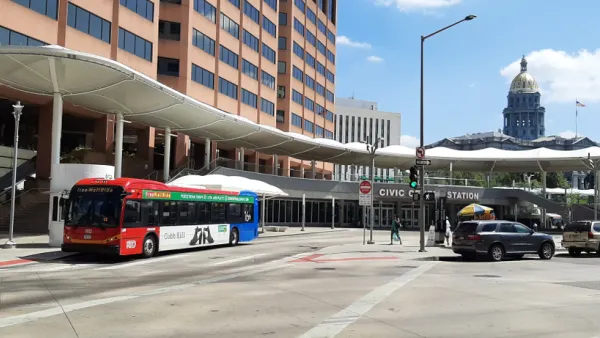
Major Redesign Planned for Denver-Area Bus System
The Regional Transportation District will make significant changes to bus frequency and routes in an effort to make transit accessible to more Colorado residents.

Colorado Proposal Would Fund Free Summer Transit
The state is weighing a plan to offer free transit rides during ozone-heavy months in an effort to improve the state's air quality.

Planetizen Federal Action Tracker
A weekly monitor of how Trump’s orders and actions are impacting planners and planning in America.

The state-sanctioned urbicide of Austin
People don’t kill cities. Freeways do.

US to reduce Colorado River water deliveries to Mexico
A new Colorado Treaty amendment reduces Mexico’s Colorado River water allocation by 250,000 acre feet.

Mamdani overhauls NYC's Vision Zero plan with 100 new policy goals
The overhaul aims to reduce traffic deaths and make streets safer for pedestrians, cyclists and drivers through lower speed limits, new safety infrastructure and more.

Amtrak not solely to blame for New Jersey commuter rail's unreliability, report finds
A new study from the Garden State Initiative found that NJ Transit’s budget grew 20% across a 4 year period, but reliability declined significantly over the same period.

EPA erases limits on planet-warming pollution from power plants
Under Monday’s plan, power plants would still have some limits on how much mercury, arsenic and other contaminants they can emit.

FREE Course: Walkable City 1: Why Walkability?
After describing his path towards focusing on walkability as the essence of good planning, Jeff Speck marches through his five principal reasons for making more walkable places.
Reinventing Malls: Planning Alchemy—Turning Gray Fields Into Gold
The course focuses on the opportunities and imperatives that shape reinvention of mall sites.

Eagle County Government
Harvard University Graduate School of Design
Nashville Planning Department
The Architects Foundation
University of Cincinnati Online
The Pocatello Development Authority
The Urban Renewal Agency of the City of Pocatello
Journal of the American Planning Association