Roanoke, Virginia offers a lesson in grassroots economic development for "small, out-of-the-way cities everywhere."


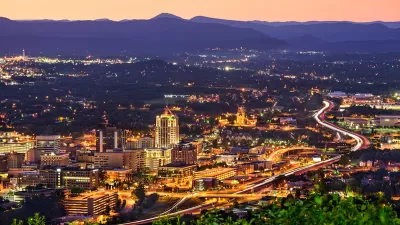
"Roanoke is back on the map," according to an article by Colin Woodard. Only a decade ago, noted Woodward, the U.S Census counted only 15 people living in the city's downtown. Now, however, "downtown has been revitalized and, for the first time in its history, has 2,000 people living in it, many of them getting to and from other parts of the city via a refurbished greenbelt."
The article includes a lot more data to back up the narrative of Roanake of a revitalization success story before answering the question of how "a small city in a disadvantaged region four hours from a major metropolis—one that had seen its signature industries atrophy or depart, that lacked so much as a branch campus of a state university—[transformed] itself from the forgotten stepsister of the Appalachians into a formidable rival to Asheville, North Carolina?"
Read the full story: Trains Built Roanoke. Science Saved It.

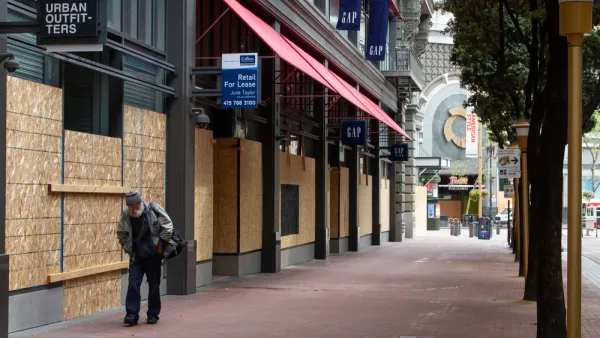
A ‘Public Realm Action Plan’ Charts San Francisco’s Post-Covid Comeback
A nonprofit business group released a plan to trigger the post-pandemic revitalization of Downtown San Francisco by reclaiming public space for human scale activity. But is an improved public realm sufficient to meet the challenge?
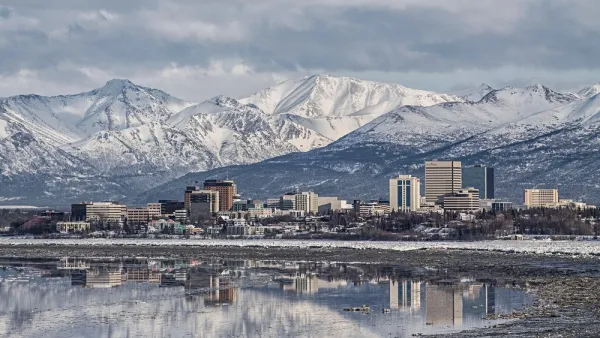
An Ambitious Revitalization Agenda for Downtown Anchorage
A new mayoral administration in Anchorage has its sights set on a revitalized urban core, but one local researcher has suggestions for how to expand that vision.
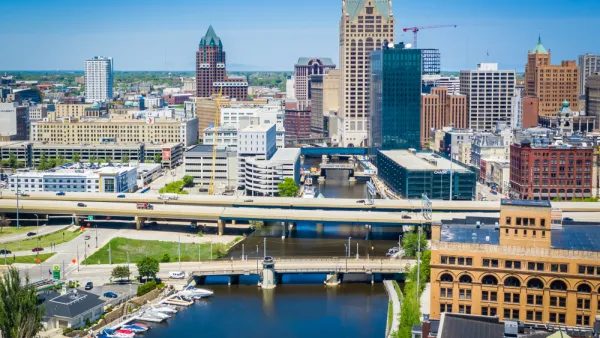
Project Team for Milwaukee's New Downtown Area Plan Takes Shape
A new plan for Milwaukee's downtown will build on a "major renaissance" in the area since the approval of the last version of the plan in 2010.

Planetizen Federal Action Tracker
A weekly monitor of how Trump’s orders and actions are impacting planners and planning in America.

Chicago breaks ground on $3 billion megadevelopment
The new neighborhood, titled Foundry Park, will one day host 3,700 residences.

This MA town is drowning in its own sewage — and residents like it that way
Susan Murcott, a waste water expert, said if Carlisle didn't address their leaking sewage, the problem could turn “deadly.”

Iowa taxpayers are paying thousands to clean manure out of their water
While the Clean Water Act makes states responsible for regulating factory farms that discharge pollutants, Iowa has turned a blind eye to the polluting farms.

Amtrak cuts ribbon on Seattle Airo maintenance facility
The $250 million, nearly 100,000-square-foot building can house an entire Cascades Airo trainset.

To power data centers, Google seeks autonomous control of thousands of homes’ electricity
The tech company has signed a deal to indirectly pay Mid-Atlantic residents to reduce their power demand when the grid is strained.

FREE Course: Walkable City 1: Why Walkability?
After describing his path towards focusing on walkability as the essence of good planning, Jeff Speck marches through his five principal reasons for making more walkable places.
Reinventing Malls: Planning Alchemy—Turning Gray Fields Into Gold
The course focuses on the opportunities and imperatives that shape reinvention of mall sites.

City of Rosemead
Rutgers University, Edward J. Bloustein School of Planning and Public Policy
One Hundred Miles
The Architects Foundation
University of Cincinnati Online
Montrose County
The Pocatello Development Authority
The Urban Renewal Agency of the City of Pocatello