Los Angeles has made major progress in restoring the Santa Monica Bay. Now, The Bay Foundation's Tom Ford sees opportunities for L.A. to capitalize on its natural resources.


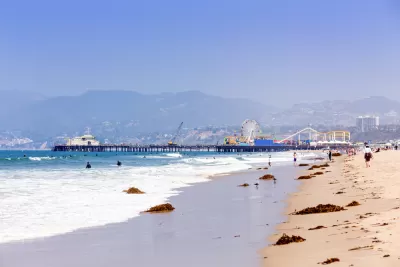
In The Planning Report, Ford praises L.A.'s attention to water quality and coastal ecosystems, the impacts of which are detailed in the Foundation's recent "State of the Bay" report. But he notes that Los Angeles still discharges wastewater into the ocean.
In the midst of a drought, he says, there are better options.
"Water resources are water resources regardless of their current state," he explains. "With the application of technology, smart thinking, and planning, waste currently being discharged into the bay is actually a very valuable, if not irreplaceable, resource that needs to be preserved."
Reusing wastewater could help clean up the coast while providing a sustainable, local water supply for L.A., as the city seeks to reduce its imports. Ford believes many projects on the Foundation's agenda could similarly benefit the urban sphere.
Take the Ballona Wetlands, a marshy reserve that over the years has suffered both controversy and neglect. When the Foundation completes restoration there, Ford says, Ballona will play "a unique position in Los Angeles's future: It's a 600-acre expanse smack dab in the middle of the Westside that's going to provide public health benefits through green space and recreation."
The Bay Foundation is a non-profit that partners with the EPA and the state Water Resources Board. Now, it's shifting its focus to long-term resilience efforts that will help Los Angeles withstand the impacts of climate change—specifically addressing sea-level rise and kelp forests, both of which could support the culture and economy of costal communities.
FULL STORY: Bay Foundation Successfully Addressing Troubled Coastal Waters

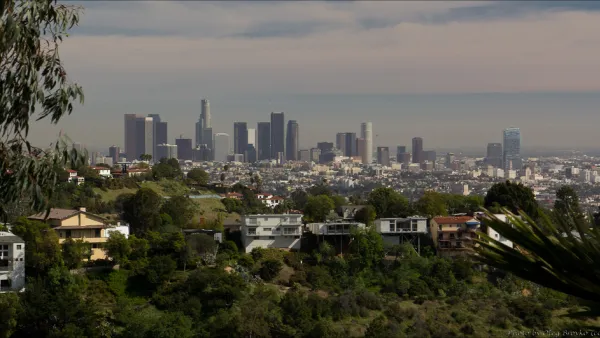
Some Like it Hot: Adapting Los Angeles to Climate Change
Closing out the "Just Add Water" lecture series, four panelists came together to discuss climate change, cultural shifts for sustainability, and adapting Los Angeles's urban fabric for greater climate resiliency in the future.
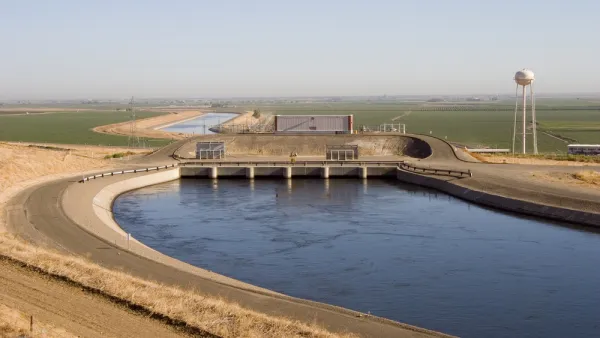
California Governor Declares Statewide Drought Emergency
The declaration applies to all of California's 58 counties, with agencies and households urged to implement stricter conservation measures as the historic drought deepens.
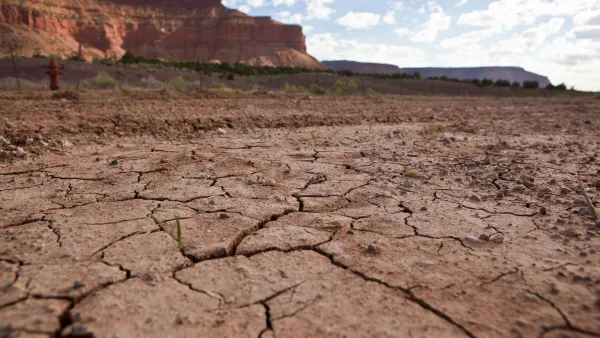
Researchers Propose the Concept of 'Anthropogenic Drought'
As climate change heightens the risk of intense drought periods, a new framework can help scientists better understand the interconnected causes and effects of drought.

Planetizen Federal Action Tracker
A weekly monitor of how Trump’s orders and actions are impacting planners and planning in America.

The state-sanctioned urbicide of Austin
People don’t kill cities. Freeways do.

US to reduce Colorado River water deliveries to Mexico
A new Colorado Treaty amendment reduces Mexico’s Colorado River water allocation by 250,000 acre feet.

LA Metro’s ultimatum: no extra buses for LA28 if federal funding isn’t imminently secured
If Metro does not provide additional buses, LA28 organizers will have to find a new way to manage Olympic traffic. LA28’s budget does not include a line item for transit.

Colorado’s Largest Data Center Could Rise Next to Homes — Without a Public Hearing
The proposed campus would consume 11 times the power of Denver International Airport; as it has across the country, opposition mounts.

5 New England states march closer to 800 megawatt wind energy project
Securing federal approval for the project may be complicated under the Trump administration, which has historically been hostile towards domestic wind power.

FREE Course: Walkable City 1: Why Walkability?
After describing his path towards focusing on walkability as the essence of good planning, Jeff Speck marches through his five principal reasons for making more walkable places.
Reinventing Malls: Planning Alchemy—Turning Gray Fields Into Gold
The course focuses on the opportunities and imperatives that shape reinvention of mall sites.

Eagle County Government
Harvard University Graduate School of Design
Nashville Planning Department
The Architects Foundation
University of Cincinnati Online
The Pocatello Development Authority
The Urban Renewal Agency of the City of Pocatello
Journal of the American Planning Association