A $1 billion funding allocation from the Treasury Department to the Hardest Hit Fund is the fifth since 2010.


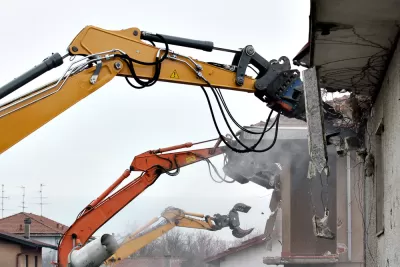
Kriston Capps reports that the Treasury Department has announced $1 billion in funding to fight blight. The $1 billion "will go toward preventing foreclosure and stabilizing troubled housing markets in the states hit hardest by the housing crisis and recession," according to Capps.
"This $1 billion allocation is the fifth and final round of disbursements under the Hardest Hit Fund, a program launched in 2010 under the Troubled Asset Relief Program (TARP) to help anchor distressed neighborhoods in 18 states and the District of Columbia," adds Capps.
The article includes more details about how and where the Hardest Hit Fund has funded blight reduction efforts since 2010. Capps cites Alan Mallach, senior fellow for the Center for Community Progress, in making the case that this kind of funding can have a real impact for the states that need it, such as Michigan, Ohio, Indiana, Illinois, and others.
A Treasury Department press release officially announced the blight-busting allocation.
FULL STORY: U.S. Department of the Treasury Drops $1 Billion in the Fight Against Blight

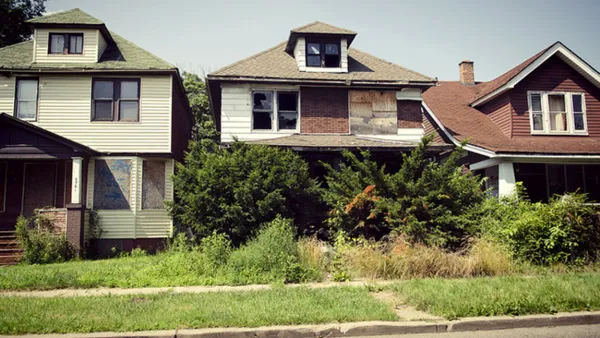
Federal Agencies Investigating the Rising Costs of Detroit's Blight Program
Detroit's aggressive blight reduction strategy, to demolish vacant homes by the thousands, is coming under scrutiny for rising costs. The FBI and the U.S. Inspector General are investigating.
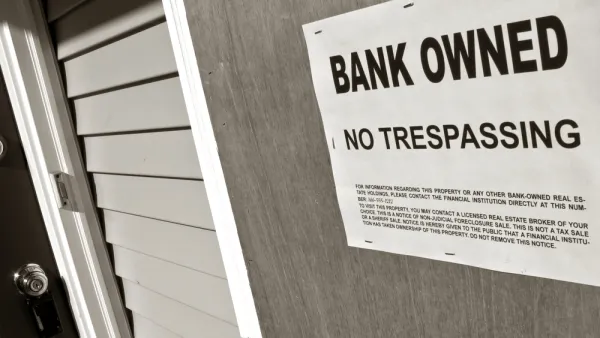
From Vacant Property to Affordable Housing Development
The city of St. Petersburg provides a model for transforming blight to a blessing.
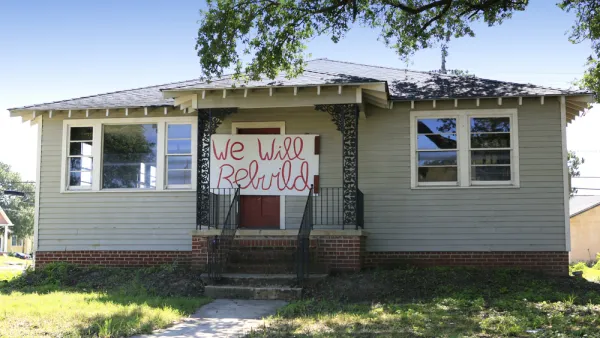
Measuring the Effect of Blight Remediation Programs
Tulane researchers received major funding support from the National Institutes of Health to study the effects of blight remediation on youth and family violence.

The state-sanctioned urbicide of Austin
People don’t kill cities. Freeways do.

US to reduce Colorado River water deliveries to Mexico
A new Colorado Treaty amendment reduces Mexico’s Colorado River water allocation by 250,000 acre feet.

New Jersey’s second-largest city bans standalone data centers
Jersey City will continue to allow co-location facilities, such as those meant for research institutions that store their own data.

Amtrak not solely to blame for New Jersey commuter rail's unreliability, report finds
A new study from the Garden State Initiative found that NJ Transit’s budget grew 20% across a 4 year period, but reliability declined significantly over the same period.

EPA erases limits on planet-warming pollution from power plants
Under Monday’s plan, power plants would still have some limits on how much mercury, arsenic and other contaminants they can emit.

Phoenix announces new on-demand transit service, more frequent RAPID buses
Both new services will launch in October, and are part of Phoenix's Project Effective Access Solutions for Easing Congestion.

FREE Course: Walkable City 1: Why Walkability?
After describing his path towards focusing on walkability as the essence of good planning, Jeff Speck marches through his five principal reasons for making more walkable places.
Reinventing Malls: Planning Alchemy—Turning Gray Fields Into Gold
The course focuses on the opportunities and imperatives that shape reinvention of mall sites.

Eagle County Government
Harvard University Graduate School of Design
Nashville Planning Department
The Architects Foundation
University of Cincinnati Online
The Pocatello Development Authority
The Urban Renewal Agency of the City of Pocatello
Journal of the American Planning Association