Zipcar is a newcomer in Tampa Bay, but the efforts to expand its business in the next few years will provide a case study in how less dense cities can expand alternative transportation options.


Justine Griffin covers the ongoing efforts to expand the use of car-sharing in Tampa Bay, a city that tends not to encourage many people to go carless, like San Francisco, Chicago, or New York can.
According to Griffin, "[c]ar-sharing companies have been in Tampa Bay since before anyone was using the words Uber or Lyft. But the rollout of the business model — which lets users rent a car by the hour or the day usually online or through an app — has been slow to catch on."
Zipcar has been in Tampa for a year, currently operating eight cars, but "the company is preparing to expand its local fleet when the new rental car facility opens at Tampa International Airport next year," writes Griffin. Zipcar "is also talking with transit organizations in Tampa to expand further," according to a Zipcar manager quoted in the article.
Griffin cites another car-sharing service based at the University of South Florida as an example of the quickly growing market for car-sharing services. The question broached by the article is whether the city has enough alternative transportation options to supplement and compliment car-sharing as a business model.
FULL STORY: In shadow of Uber and Lyft, car sharing tries to shape a future in Tampa Bay

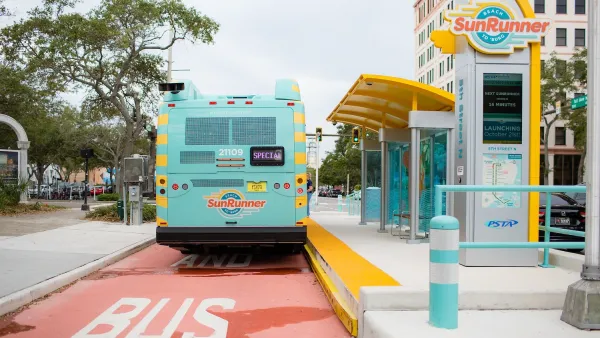
Lawsuit Claims Florida Bus Lane Removal was Illegal
The state cites an increase in crashes and congestion as reasons for eliminating a dedicated bus lane on the SunRunner BRT line, but city data tells a different story.
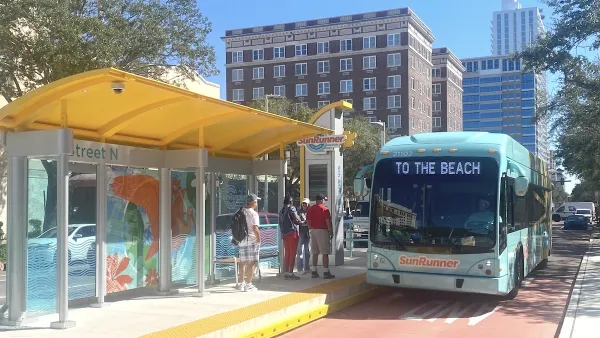
Florida Law Could Eliminate Dedicated Bus Lanes
A new law calls for a minimum ridership of 6,000 passengers in the first year for new bus rapid transit lines. To date, no bus lines in the Tampa Bay region come close.
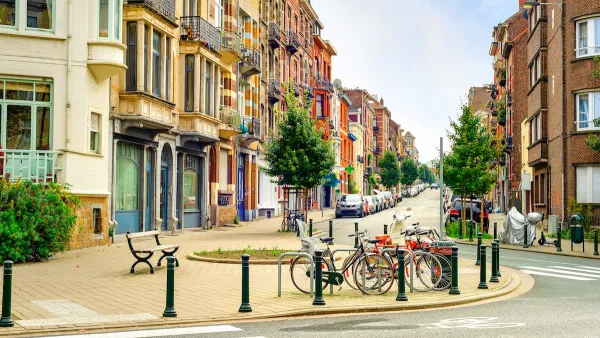
Paris Is Great, But Here's Where the Green Mobility Revolution Is Happening
A movement toward sustainable mobility is taking place across Europe, not just in the City of Lights.

Planetizen Federal Action Tracker
A weekly monitor of how Trump’s orders and actions are impacting planners and planning in America.

The state-sanctioned urbicide of Austin
People don’t kill cities. Freeways do.

US to reduce Colorado River water deliveries to Mexico
A new Colorado Treaty amendment reduces Mexico’s Colorado River water allocation by 250,000 acre feet.

5 New England states march closer to 800 megawatt wind energy project
Securing federal approval for the project may be complicated under the Trump administration, which has historically been hostile towards domestic wind power.

Baltimore to break ground on $50 million Transit Priority Project
The project will bring faster bus trips, safer streets and better bike connections to Baltimore.

Airbnb launches $250 million 'last-dollar financing' housing accelerator, makes first investment in Austin
The company will put $6.4 million towards affordable housing development in Texas’ capital.

FREE Course: Walkable City 1: Why Walkability?
After describing his path towards focusing on walkability as the essence of good planning, Jeff Speck marches through his five principal reasons for making more walkable places.
Reinventing Malls: Planning Alchemy—Turning Gray Fields Into Gold
The course focuses on the opportunities and imperatives that shape reinvention of mall sites.

Eagle County Government
Harvard University Graduate School of Design
Nashville Planning Department
The Architects Foundation
University of Cincinnati Online
The Pocatello Development Authority
The Urban Renewal Agency of the City of Pocatello
Journal of the American Planning Association