While most big city transit systems have moved on to electronic passes or paper tickets, Philadelphia's riders are left to deal with tokens and transfer slips until SEPTA's plans for a system upgrade come to fruition.


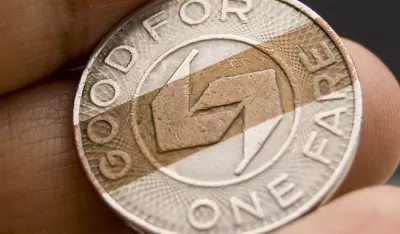
After eight years of planning to create a SEPTA (Southeastern Pennsylvania Transit Authority) Key system, Philly residents are still waiting to ditch their tokens for the promised future of smart cards and smart phones. The Philadelphia Inquirer scolds the transit system for the long delayed roll-out of what some see as a basic component of a modern transit system.
Getting the new fare system right is the top priority, SEPTA officials say, hence their striving to work out all the bugs before it debuts. That's an appropriate aspiration given the potential for chaos if mass transit doesn't function. After two years of delays and $11 million in cost overruns, they had better get it right.
Delays in the $220 million SEPTA Key project have been blamed on any number of factors, including a lack of funding directed toward SEPTA and the complexity of linking up the various transit systems.
Read the full story: Token Promises
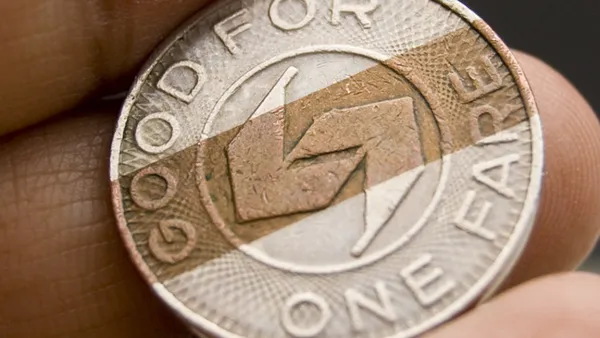
Tokens Finally a Thing of the Past for Philly's Transit Riders
The Southeastern Pennsylvania Transit Authority (SEPTA) are expecting to roll out the final components of the new SEPTA Key system, allowing all riders to pay the fare with something other than tokens.
The Perpetual End of Philadelphia's SEPTA
Forever plagued with issues, from lack of funding to a lack of political support, Philadelphia's SEPTA mass-transit network is (again) on the verge of collapse.
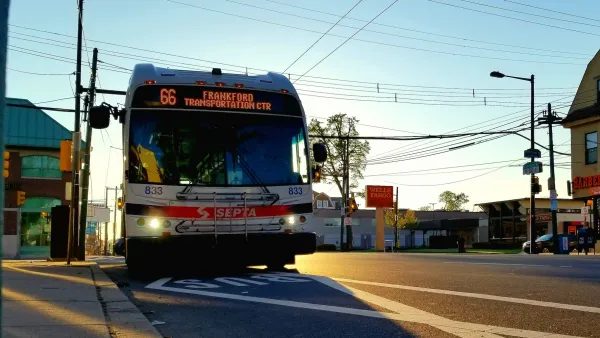
SEPTA's bus-mounted lane enforcement cameras cut travel times by up to 6%
The AI-assisted cameras have issued nearly 200,000 citations to drivers blocking bus lanes.

Planetizen Federal Action Tracker
A weekly monitor of how Trump’s orders and actions are impacting planners and planning in America.

California plans to bury El Niño’s downpour
If the state plays its cards right, it may be able to store a billion acre-feet of El Niño’s water in aquifers.

Desperate measures: Advocates weigh draining Lake Powell to fill Colorado River
Draining the reservoir could reduce evaporation losses by a couple hundred thousand acre-feet.

Mamdani’s pied-à-terre tax survives legal challenge
A panel of judges found that the plaintiffs failed to demonstrate injury as a result of New York City's implementation of the tax.

Eastern Nebraska is running out of electricity
Data centers and electrification are straining eastern Nebraska’s grid, throttling economic development.

Seattle passes record-breaking transit services expansion
Proposition 1 will double the city’s transit tax to add 95,000 more bus trips and preserve 180,000 bus trips annually.

FREE Course: Walkable City 1: Why Walkability?
After describing his path towards focusing on walkability as the essence of good planning, Jeff Speck marches through his five principal reasons for making more walkable places.
Reinventing Malls: Planning Alchemy—Turning Gray Fields Into Gold
The course focuses on the opportunities and imperatives that shape reinvention of mall sites.

City of Rosemead
Rutgers University, Edward J. Bloustein School of Planning and Public Policy
One Hundred Miles
University of Michigan School for Environment and Sustainability (SEAS)
Hunter College, City University of New York (CUNY)
The Architects Foundation
City of Cambridge
Montrose County
The Pocatello Development Authority