A Harvard study has found that those making $45,000 per year are struggling to meet the increasing cost of rent in cities across the country.



While low-income renters already face the tough task of affording rent and their basic needs, a growing number of renters in the middle-class are facing similar difficulties. Martha C. White reports on NBCNews.com that a new study by Harvard University has found that many renters who should be able to afford higher rents, pay for basic needs and save for retirement are now facing setbacks.
This situation is the result of a perfect storm of growing rental demand, especially from wealthier families, a shrinking pool of moderately-priced rentals and stagnant wages that haven't kept up with rent inflation, which is rising faster today than it has in 30 years.
The report notes that once the high-end rental market becomes saturated, more affordable units will likely become available, but until that time the middle class will continue to spend more on housing and less on other discretionary items.
Read the full story: It's Not Just the Poor Who Can't Make Rent


NYC landlords sue Mamdani administration over rent freeze
The suit charges the administration with unfairly promoting the rent freeze and accuses the city's Rent Guidelines Board of yielding to pressure from the mayor.
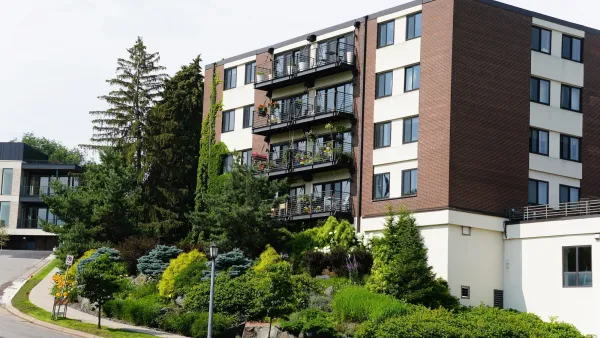
How policy changes helped Minneapolis beat rent inflation
Despite a boom in population, Minneapolis has managed to keep rents relatively steady through a combination of legislative action and private investment.

Austin rents are down — yet evictions spiked by 30%
Austin landlords filed a record number of evictions last year.

Planetizen Federal Action Tracker
A weekly monitor of how Trump’s orders and actions are impacting planners and planning in America.

California plans to bury El Niño’s downpour
If the state plays its cards right, it may be able to store a billion acre-feet of El Niño’s water in aquifers.

Chicago breaks ground on $3 billion megadevelopment
The new neighborhood, titled Foundry Park, will one day host 3,700 residences.

California High-Speed Rail Authority CEO resigns after $600,000 scandal
Under Ian Choudri, the authority used taxpayer dollars to fund first class flights and trips to nightclubs.

Want to study the Missouri River? Soon, you may need unanimous approval from 10 states
Legislation would require 10 governors’ permission to study or build projects moving water outside the basin.

Desperate measures: Advocates weigh draining Lake Powell to fill Colorado River
Draining the reservoir could reduce evaporation losses by a couple hundred thousand acre-feet.

FREE Course: Walkable City 1: Why Walkability?
After describing his path towards focusing on walkability as the essence of good planning, Jeff Speck marches through his five principal reasons for making more walkable places.
Reinventing Malls: Planning Alchemy—Turning Gray Fields Into Gold
The course focuses on the opportunities and imperatives that shape reinvention of mall sites.

City of Rosemead
Rutgers University, Edward J. Bloustein School of Planning and Public Policy
One Hundred Miles
Hunter College, City University of New York (CUNY)
The Architects Foundation
University of Cincinnati Online
City of Cambridge
Montrose County
The Pocatello Development Authority