An outdoors enthusiast laments the explosive sprawl that is quickly sucking up places to hunt and fish in the state of Texas.


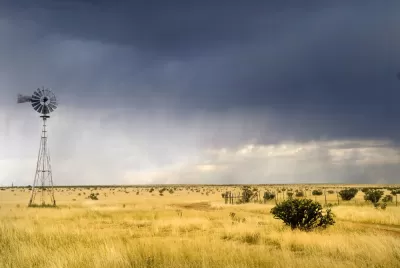
Richard Parker writes about the sprawl creping across Texas:
"As the heart of Texas — the Texas Triangle — swells with population, the cornfields and sunflower stands recede before the march of the suburbs. But there is a glimmer of hope because ranchers and environmentalists, hunters and city dwellers now have something crucial in common: harnessing the runaway development of the suburbs and exurbs."
According to Parker's research:
"more than 80 percent of rural Texas is privately owned, and we are turning ranchland and farmland into suburbs faster than any state in the country, according to the Texas General Land Office. In the 25 years preceding 2007, 7.5 million rural and farmland acres had been plowed under for development, according to the Farmland Information Center."
For lessons in teaching people to appreciate and enjoy the outdoors, Parker looks to Arizona, which in recent years "has opened millions of acres of private land to public access and is paying farmers and ranchers for another million. This ensures that dove season here is still the most democratic hunt: cheap, simple, wide-open to novice and expert alike."
Read the full story: Richard Parker: As the Lone Star State booms, our wide-open spaces shrink

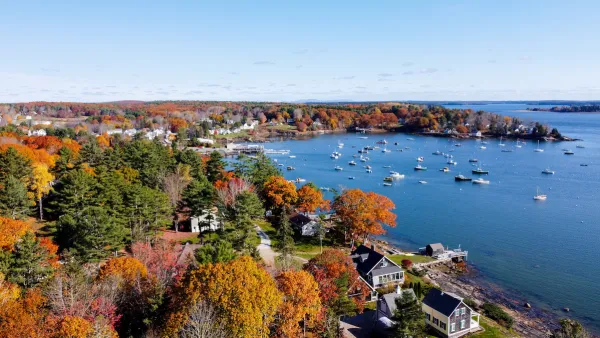
Maine Law Promotes Smart Growth
New state legislation encourages cities to plan around ‘smart growth’ principles to preserve farmland and open space, and use infill development to build more housing.
Parks Endowment Ready to Develop Park-Adjacent Land in Louisville
The Parklands of Floyds Fork has attracted development attention for years, but now the endowment that fought for the park's creation is proposing a development on land adjacent to the park to help fund the maintenance of the Parklands.
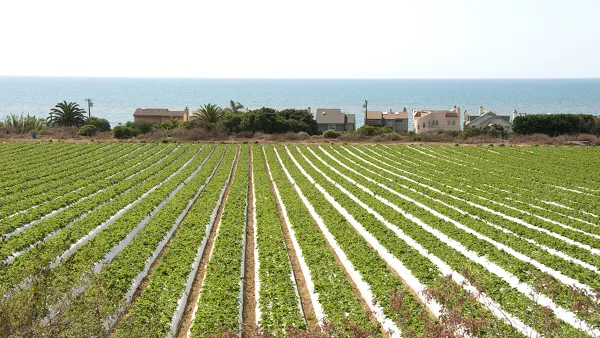
Urban Growth Boundaries Gone Awry: Protection Without Infill
Joe Mathews of Zócalo Public Square views with a great deal of skepticism the urban growth boundaries the voters of Ventura County adjacent to Los Angeles County have enacted since 1995 due to the lack of infill. Another measure is on the ballot.

Amtrak, CN end decades-long dispute with eight-year agreement
The new operating agreement establishes an updated framework for the companies to work together, including processes to resolve disputes.

Judges permit Denver to divert 77,000 acre feet from the Colorado River for reservoir expansion
Overuse and climate change have caused the Colorado River’s water levels to plummet.
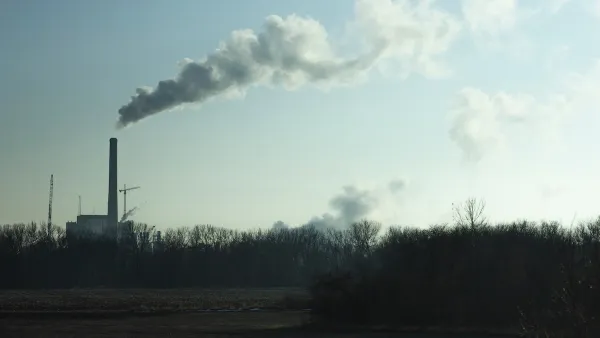
Nation's most wind-powered state turns to coal as data centers increase energy demand
For the first time in decades, Iowa has increased its generation of coal power.

Boston has spent millions making the Green Line more accessible — and there’s no end in sight
While the city has invested millions into expanding and adding platforms to the Green Line to make it more accessible, new train cars set to arrive next year will be too tall for disabled passengers to board without raising the current platforms.

Idaho may see an 18% drop in federal surface transit funding — the largest estimated cut in the US
Transit systems in rural communities are much more reliant on federal funding to provide their services.

How ‘post-disaster gentrification’ alters neighborhoods after natural calamities
After hurricanes, fires or other calamities, the original residents of a community are often replaced by younger, wealthier residents.

FREE Course: Walkable City 1: Why Walkability?
After describing his path towards focusing on walkability as the essence of good planning, Jeff Speck marches through his five principal reasons for making more walkable places.
Reinventing Malls: Planning Alchemy—Turning Gray Fields Into Gold
The course focuses on the opportunities and imperatives that shape reinvention of mall sites.

City of Wisconsin Rapids
Harvard University Graduate School of Design
KFH Group Inc.
The Architects Foundation
University of Cincinnati Online
The Pocatello Development Authority
The Urban Renewal Agency of the City of Pocatello