Planners get involved with foreclosure by assisting residents threatened with foreclosure or addressing community impacts such as blight, vacancy, and property disinvestment. A look at vacant property fees as a tool for dealing with foreclosure.


"Foreclosure" has become more common in planning conversations since the Great Recession. Two ways that planners tend to get involved is with assisting residents facing the threat of foreclosure, and addressing various community impacts, such as blight, vacancy, and property disinvestment.
Tools for addressing the community impacts of foreclosure include housing counseling services, digital property mapping (like Detroit's), and vacant property registration fees.
Nationwide, there are over 1,500 communities enforcing vacant property registration fee ordinances, but the efficacy of these ordinances is mixed. Many smaller municipalities struggle to allocate adequate staff time to maintain property databases, resulting in spotty fee collection. On the other hand, communities that have been diligent with collecting fees find that the most negligent property owners skirt fees and penalties.
The Maine Association of Planners looks at the success of vacant property fees in Maine municipalities.
Read the full story: Foreclosure Trends in Maine, Plus a New Tool for Blight
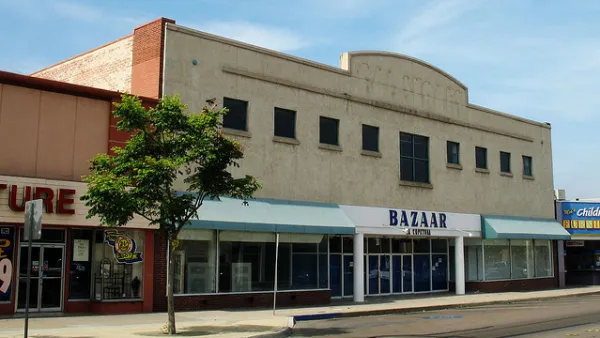
Are Vacancy Taxes a 'Blunt Instrument'?
A number of cities are considering hiking up taxes on vacant properties. But does that actually lead to a reduction in blight?

How Risky Lending Hollowed Out Detroit
Over one half of Detroit's foreclosed homes are blighted or abandoned. Buyers who purchased the homes for as little as $1 have little incentive to keep them in good shape—or pay taxes.
Speculators Scoop Up 42% of Oakland, CA Foreclosures
A new report by Oakland, CA nonprofit Urban Strategies Council reveals that a massive surge has occurred in investor-speculator ownership in the city's low-income neighborhoods in the wake of the foreclosure crisis.

Planetizen Federal Action Tracker
A weekly monitor of how Trump’s orders and actions are impacting planners and planning in America.

Eastern Nebraska is running out of electricity
Data centers and electrification are straining eastern Nebraska’s grid, throttling economic development.

Study reveals best places in the U.S. for cycling, walking
New research from Streetlight Data examines bicycle and pedestrian miles per capita in the 100 largest U.S. cities by population.

Why does it take an emergency for the U.S. to expedite infrastructure projects?
In June 2023, Philadelphia repaired a melted interstate in 12 days thanks to an emergency order.

Federal government nominates new FTA administrator
Mark Aesch is currently the founder and CEO of a transportation management consulting firm.

Developers reveal $10 billion stadium plan as ‘Hail Mary’ to keep Bears in Chicago
The plan would also boast a public park, high- and mid-rise buildings and a youth sports complex.

FREE Course: Walkable City 1: Why Walkability?
After describing his path towards focusing on walkability as the essence of good planning, Jeff Speck marches through his five principal reasons for making more walkable places.
Reinventing Malls: Planning Alchemy—Turning Gray Fields Into Gold
The course focuses on the opportunities and imperatives that shape reinvention of mall sites.

City of Charlotte
City of Rosemead
Rutgers University, Edward J. Bloustein School of Planning and Public Policy
University of Michigan School for Environment and Sustainability (SEAS)
Hunter College, City University of New York (CUNY)
The Architects Foundation
City of Cambridge
The Pocatello Development Authority
The Urban Renewal Agency of the City of Pocatello