One question I get asked a lot is if students should present at conference. In fact it is often more of a statement of intent rather than a question about whether it is useful. The answer, however, is not as clear as many students believe.



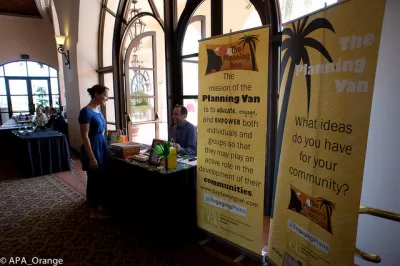
One question I get asked a lot is should students present at conference. In fact it is often more of a statement of intent rather than a question about whether it is useful. The answer, however, is not as clear as many students believe.
The basic issue is that there are many, many conferences these days, with low thresholds to entry or idiosyncratic selection based on the preferences of the organizer rather than quality. Presenting at a conference is not a big plus on your resume and for some people, who do a great deal of it without producing other work, it can raise questions about priorities. That is not to say it is a bad thing to do but it is not the unmitigated positive that some might assume.
Of course, there are good reasons students make such presentations.
- You can get practice in presenting in public.
- It can create a deadline.
- In some settings one can get useful feedback.
- Depending on who else is there, and how well it goes, it can provide contacts for jobs.
- It can publicize the academic program where the work was done.
- Going to a conference can give you a sense of professional norms.
These days there is such an information overload that there is a real question about whether one needs an additional information forum, however.
Of course students also ask about attending a conference and that raises a number of related questions:
- Is it an expensive conference with deep discounts for students—like the APA national conference? In this case going as a student has benefits.
- Will you learn new things or will it just cover things you can find out elsewhere? In the context of business conferences American Express suggests one metric is would “you have too much to share for a 20-minute presentation” to colleagues?
- Will you actually make contacts for jobs or at least get to know the job market better?
- Can you get ideas for improving your work?
- Can you network with other students in a way that is productive and really would not be possible via other means?
In the current period with so many channels of communication my sense is that the idea of the conference needs to be rethought. Asking serious questions about how useful such venues are is a good first step for students.

Advice for Students: When to Contact Faculty at a Different Institution
With social media and the internet generally making it easy to contact faculty across the globe students are tempted to do so. But when is it appropriate? The short answer is contact them if they request it.
Summer Conferences with an Agenda: Ideas for Students and Others
Spring is conference season for many major professional associations including the American Planning Association. However, if you missed APA this year, or even if you didn’t, a number of more specialized groups meet over the summer in smaller and more focused settings. Student registrations and deals on accommodation can make these very affordable.

Choosing a path into, or out of, planning: advice for high school students and college freshmen
For students preparing to study as an undergraduate, there are many questions to consider.

Washington state to charge fee to drivers with fuel-efficient cars
Revenue from the fee will go towards supporting the state’s highways.

Illinois considers spending $1 billion in taxpayer money on data center
A quantum computing campus and data center are currently under construction in Chicago.

Trump to blast ‘hydrocarbon highway’ through ‘world’s longest art gallery’
Environmental and historic preservation groups are suing to stop the project.

NYC, state sue feds over mixed-immigration-status housing assistance rule
The state’s lawsuit argues that the rule change violates the Administrative Procedure Act.

Michigan to turn neighborhood into virtual power plant
Residents will soon be able to divert their excess energy to the grid in exchange for compensation.

Data center, mining project swarm to long-awaited Alaska railroad line
The state-owned railroad approved final plans for the spur line this week; the project is expected to cost $311 million, mostly funded by the federal government

FREE Course: Walkable City 1: Why Walkability?
After describing his path towards focusing on walkability as the essence of good planning, Jeff Speck marches through his five principal reasons for making more walkable places.
Reinventing Malls: Planning Alchemy—Turning Gray Fields Into Gold
The course focuses on the opportunities and imperatives that shape reinvention of mall sites.

City of Charlotte
City of Rosemead
Rutgers University, Edward J. Bloustein School of Planning and Public Policy
University of Michigan School for Environment and Sustainability (SEAS)
Hunter College, City University of New York (CUNY)
The Architects Foundation
University District Partnership

