For students preparing to study as an undergraduate, there are many questions to consider.




As an academic interested in helping students find the right program and succeed in it, over the years I have provided advice aimed at graduate students in planning. However, a master's degree is not the only path to the planning profession. Globally, many people enter planning through an undergraduate program.
If you are thinking about choosing an undergraduate planning degree, that is amazing! So few people understand the importance of city and regional, urban, or town planning so early in life. Yet it is a terrific area to study as it connects larger systems with local activities, is future-oriented and optimistic, ethical and skills-oriented while also being critical and analytical. As the world faces large challenges, the ability to see the big picture while working in the here and now is crucial. Studying planning can help hone that capacity.
As exciting as preparing to study planning as an undergraduate is, there are many questions for prospective students to consider. Namely, what kind of program is best for you, and how can you prepare for a long career in planning?

Accredited, or non-accredited?
One decision that may seem daunting is whether to enroll in one of the small number of accredited undergraduate planning programs in the United States or pursue a degree in urban studies, geography, environmental studies, urban analytics, public affairs or another related field. This can be a difficult decision.
- If you know you want to be employable in planning right out of your undergraduate, an accredited degree can be useful.
- However, a broader degree in something like urban studies or public affairs, offered by a department that also offers a professional master's degree in planning, can give you access to courses and faculty who can help you hone your job-ready skills while introducing you to other fields.
An accredited degree has pros and cons. It can help you develop skills, though there may not be as much scope to ask bigger questions or explore other fields. On the other hand, a liberal arts or other broader degree may leave you wondering how you can be a changemaker in planning. Remember, any first degree is only one step on the path to lifelong learning, and at various times you can emphasize practical skills or a broader understanding. This means there is no objective “best path,” and other issues like location and cost may be more decisive.
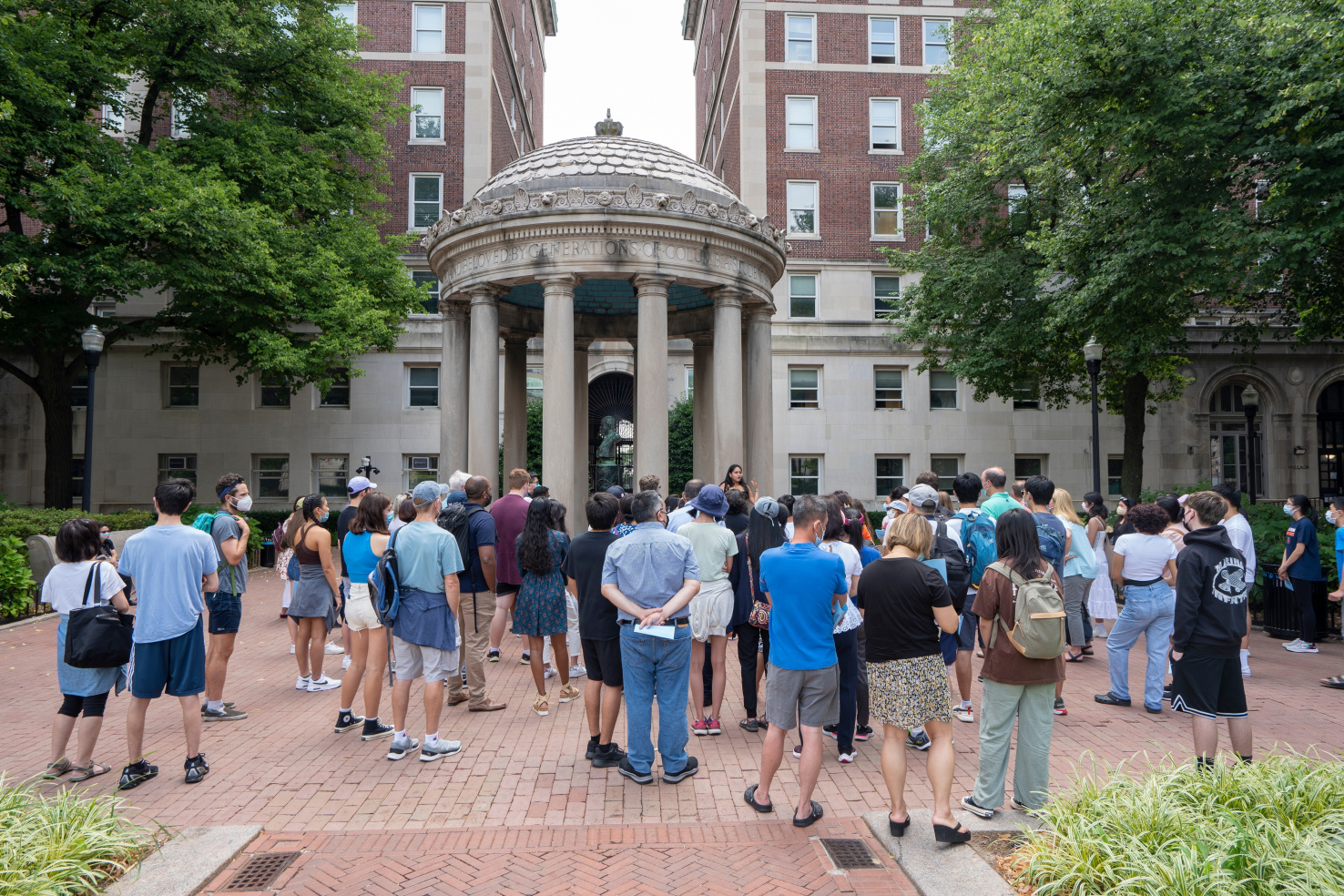
What if my university doesn't offer urban planning?
If you are already at, or plan to attend, a university or college that does not have professional planning, you can still gain professionally-oriented knowledge, skills and values. There may well be faculty somewhere on campus who understand planning — in architecture or landscape architecture programs, geography, public policy and the like. Students currently enrolled in any degree program can also join the American Planning Association for free, which gives you access to magazines, newsletters, divisions and events to help you understand planning. Shadowing a planner or interning in a planning organization can help as well — both to give you skills and confirm that planning is for you. You could form a student group to invite planning speakers or organize field trips. Even if you are in a planning degree program, doing some of these activities is a good idea, but for those in related areas, they can be particularly helpful.
What if I’m not sure planning is for me?
If you are not totally sure planning is for you — for example, maybe you’re also interested in law, real estate, architecture, or sustainability — one approach is to keep your options open. Planning is an excellent background for those degrees. But if you are at a university or college that also offers other programs you’re interested in, you can take classes to help you decide if you want to study something different in graduate school, or if you want to switch your major as an undergraduate. That is, your university's academic catalog, and how much it encourages taking classes outside of your major, may matter as much as the program you choose. If you’re unsure about planning,you might choose a university that offers two or more of the programs that interest you.

For those just starting their undergraduate programs, the path into a major varies quite a bit, which often gives you some flexibility. Relatively few programs require you to apply directly to planning out of high school (the accredited undergraduate programs may be exceptions). For some, you check a box on your general application and that admits you to a major, or at least puts you in a pool for review. Most allow you to switch majors once you are enrolled and may offer introductory classes to help you decide. Many programs do have some kind of enrollment cap, however. Selection may be based on admission staff (and maybe faculty) reviewing statements and qualifications, or, for transfer students, on your grades in relevant classes.
Don’t be afraid to change course
A final question is whether you should apply to another major, assuming you will later pursue a graduate degree in planning. From my years as a program director, I know many planning students have multiyear career plans involving complicated sequences of study and work experience. But I also know those plans change, and if you really want to be a planner, don't tie yourself down to a different degree program that leaves too little time to explore planning. Whether the right path for you is an accredited professional undergraduate degree or one of the other options I have outlined — like a related degree in a college which also has a planning program — will depend on your specific situation. Remember, if you find that your initial choice doesn’t work, you can change course. Most planners modify their paths multiple times over the course of their careers!

Finding an Undergraduate Planning Program
Undergraduates face special challenges and one of them is in finding a planning-related program. The following tips may make the search easier.

General or specialized training: Is US planning education fit for the future?
For certain demographics, a more flexible pedagogy may be necessary.
California State University System Leads Nation in Economic Mobility for Students
A new study ranks California State University campuses among the top institutions in California for economic mobility, demonstrating their success in providing affordable education that significantly boosts students’ long-term earnings.

Planetizen Federal Action Tracker
A weekly monitor of how Trump’s orders and actions are impacting planners and planning in America.

Washington state to charge fee to drivers with fuel-efficient cars
Revenue from the fee will go towards supporting the state’s highways.

Illinois considers spending $1 billion in taxpayer money on data center
A quantum computing campus and data center are currently under construction in Chicago.

Some incoming, leading US House Dems urge a national moratorium new data centers
McGovern, the top Democrat on the House Rules Committee, called for “an immediate change to the status quo.”

People Mover delayed again, LAX and contractor trade barbs
The automated train was last slated to open in January 2027.

Trump to blast ‘hydrocarbon highway’ through ‘world’s longest art gallery’
Environmental and historic preservation groups are suing to stop the project.

FREE Course: Walkable City 1: Why Walkability?
After describing his path towards focusing on walkability as the essence of good planning, Jeff Speck marches through his five principal reasons for making more walkable places.
Reinventing Malls: Planning Alchemy—Turning Gray Fields Into Gold
The course focuses on the opportunities and imperatives that shape reinvention of mall sites.

City of Charlotte
City of Rosemead
Rutgers University, Edward J. Bloustein School of Planning and Public Policy
University of Michigan School for Environment and Sustainability (SEAS)
Hunter College, City University of New York (CUNY)
The Architects Foundation
University District Partnership

