A combination of environmental factors exposes Virginia’s coastal dwellers to some of the nation’s most severe climate change-related hazards, yet the state has almost zero plans for adaptation. Could that be about to change?


John Upton details Virginia's climate change risks (e.g., subsiding costal areas, shifting currents, and rising seas) before asking the question of the state is preparing to do in response to these risks. "According to James McGarry, the chief policy analyst at the non-profit Chesapeake Climate Action Network, the answer to that question is pretty much 'Nada.' Despite the severe risks that Virginia faces from a warming climate, McGarry said that the state’s leadership is doing less than the leaders of many other states to address the problems.
Fortunately, however, there have been recent signs of life from the state. "On July 1,Governor Terry McAuliffe reconvened a commission of experts to make recommendations about how the state could address climate change. Coincidentally, a week later, McGarry’s group published a 60-page report that could help guide those efforts."
The report includes 10 recommendations: five for greenhouse gas emission reductions; five for climate change adaptation.
Read the full story: How to Keep Virginia From Sinking
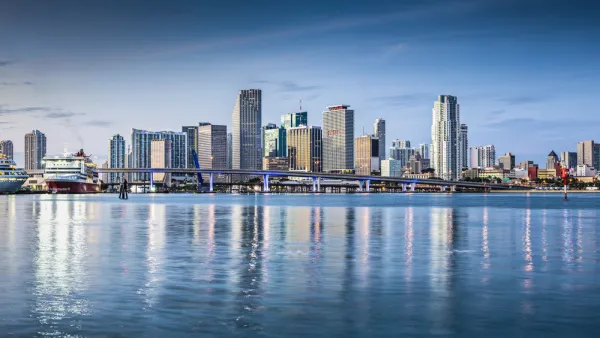
Senate Bill Would Fund Climate Change Resilience in Coastal Communities
Grant and loan funding, new research, and a competition are some of the ideas included in the Coastal Communities Adaptation Act.

Miami Lets Developers Buy Double Density with Climate Fund Contributions
City officials are close to passing a law that would give major density bonuses to developers in exchange for funding for seawalls, pump stations, and other climate resilience projects.
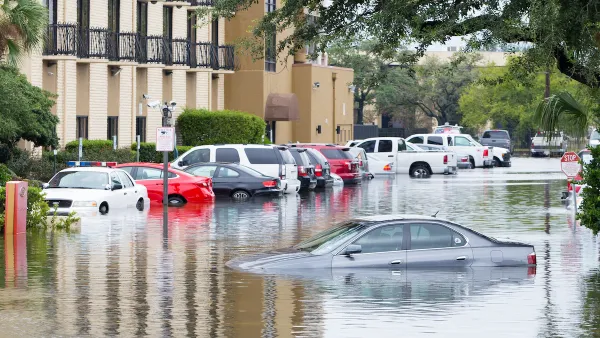
20 States Best and Least Prepared for Climate Change and Extreme Weather
A new study from CNBC ranks US states in order of sustainability and preparedness for climate change and extreme weather. A few might surprise you.

Planetizen Federal Action Tracker
A weekly monitor of how Trump’s orders and actions are impacting planners and planning in America.

Eastern Nebraska is running out of electricity
Data centers and electrification are straining eastern Nebraska’s grid, throttling economic development.

Study reveals best places in the U.S. for cycling, walking
New research from Streetlight Data examines bicycle and pedestrian miles per capita in the 100 largest U.S. cities by population.

DSA members accuse Mamdani of 'abandoning values' over housing redevelopment
New York City's mayor plans to replace about 2,000 units of public housing with private, mixed-income housing.

All sides of BRT debate unhappy with CDOT’s most recent move
The Colorado Department of Transportation is no longer considering center-running bus lanes for Colorado Boulevard.

Massachusetts bogs generate both power, and cranberries
Putting solar panels above farmland is one way Massachusetts is advancing toward its goal of net-zero carbon emissions by 2050.

FREE Course: Walkable City 1: Why Walkability?
After describing his path towards focusing on walkability as the essence of good planning, Jeff Speck marches through his five principal reasons for making more walkable places.
Reinventing Malls: Planning Alchemy—Turning Gray Fields Into Gold
The course focuses on the opportunities and imperatives that shape reinvention of mall sites.

City of Rosemead
Rutgers University, Edward J. Bloustein School of Planning and Public Policy
One Hundred Miles
University of Michigan School for Environment and Sustainability (SEAS)
Hunter College, City University of New York (CUNY)
The Architects Foundation
City of Cambridge
The Pocatello Development Authority
The Urban Renewal Agency of the City of Pocatello