A three-year bike-to-school initiative in Europe encourages children to bike to school.



Clare Taylor reports on a European bike-to-school initiative launched by the European Commission's Intelligent Energy Europe group, known as the Sustainable Travel Accreditation and Recognition for Schools (STARS).
As Taylor sums it up, STARS "is an innovative program that works to increase sustainable mobility by changing the behavior of schoolchildren – and in turn the next generation’s mindset towards sustainability. The program has the simple aim of getting kids to cycle to school instead of being driven by their parents…" The three-year program is based on other bike-to-school projects and expertise (Rotterdam's Ride2School, London's Youth Travel Ambassador and advice from mobility experts Mobiel 21), and aims to bring a "5% modal shift from car-to-bike in participating schools."
The STARS program begins with community collaboration and understanding the community's unique needs. As Taylor notes, "[from] the beginning, teachers, parents, school administrators, and cycling experts must discuss the factors inhibiting kids from cycling to school. Then, they can identify ways to facilitate change with community buy-in. Another key to successful cycling and education initiatives is to understand the unique potentials and constraints of a specific region, and change the general model to suit the region’s individual needs."
So how does it work? To motivate elementary school students to hop on their bike, the program awards children with medals for their biking accomplishments. For older students, the STARS Youth Travel Ambassador Scheme provides training to initiate, design, and implement bike-to-school campaigns. There is also a two-day biking challenge where students compete to be the school with the most biked miles. Taylor cites other exemplary bike-to-school programs such as Brazil's Cycling Schools, Beijing's TEDx events that are making biking cool for students, and a biking program in Maharashtra, India that is targeting girls to stay in school.
Read the full story: Educating the next generation for sustainable mobility

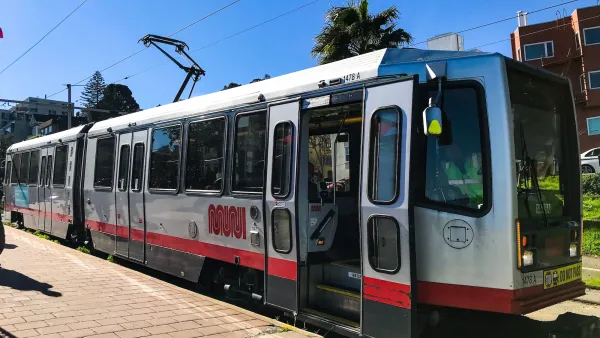
San Francisco cyclists push to allow bikes on Muni trains
The agency is one of few that bans bikes from its trains due to space constraints.
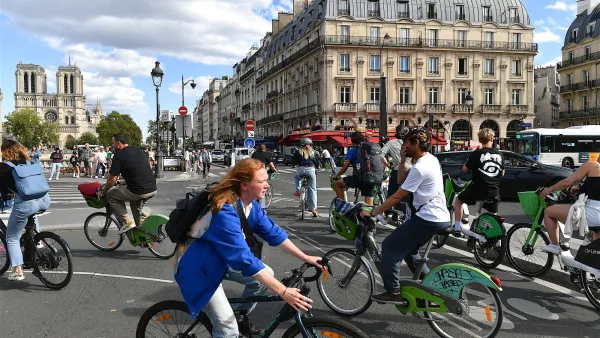
Biking in Paris grew by 240% in 5 years
The city saw a significant rise in bike use thanks to data-driven policy changes.
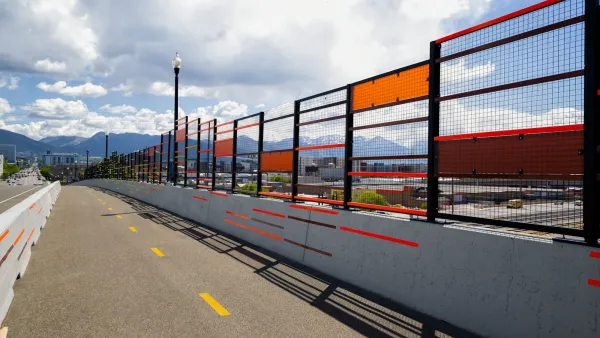
Salt Lake City opens protected bike path on viaduct trail
The 400 South Viaduct Trail features the state's longest continuous piece of public art.

Planetizen Federal Action Tracker
A weekly monitor of how Trump’s orders and actions are impacting planners and planning in America.

Amtrak, CN end decades-long dispute with eight-year agreement
The new operating agreement establishes an updated framework for the companies to work together, including processes to resolve disputes.

Judges permit Denver to divert 77,000 acre feet from the Colorado River for reservoir expansion
Overuse and climate change have caused the Colorado River’s water levels to plummet.

Atlanta City Council unanimously backs $3.5 billion Beltline light rail project
The resolution was drafted after Atlanta Mayor Andre Dickens pulled support for the Atlanta Streetcar extension last year.

SEPTA to bring nearby frequent transit to over 1 million new riders as part of decade-long plan
The agency's Accelerate plan will also bring frequent transit to twice the amount of jobs that are currently located near it.

NYC plants over 18,000 trees, the most new foliage in a decade
Many of the trees were planted in communities vulnerable to extreme heat.

FREE Course: Walkable City 1: Why Walkability?
After describing his path towards focusing on walkability as the essence of good planning, Jeff Speck marches through his five principal reasons for making more walkable places.
Reinventing Malls: Planning Alchemy—Turning Gray Fields Into Gold
The course focuses on the opportunities and imperatives that shape reinvention of mall sites.

City of Thousand Oaks
City of Wisconsin Rapids
Harvard University Graduate School of Design
The Architects Foundation
University of Cincinnati Online
The Pocatello Development Authority
The Urban Renewal Agency of the City of Pocatello