A new study by the Community Service Society has found that New York City lost an astonishing percentage of apartments affordable to low-income residents over the past decade. The study supports Mayor de Blasio's "tale of two cities" narrative.


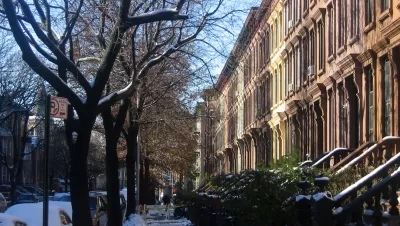
To achieve his goal of expanding the city's supply of affordable housing, a new report suggests New York mayor Bill de Blasio has a tough task ahead of him. "The Bloomberg administration marshaled billions of dollars to create and preserve affordable housing, but a new report said the city lost 40% of apartments for low-income residents over the last decade," reports Laura Kusisto.
From 2002 through 2011, the city lost more than 385,000 units of housing that would be affordable to a demographic that makes up about 40% of the city, she explains.
"Affordable-housing advocates point to a couple of factors: One is the ability of landlords to raise rents after renovating rent-regulated apartments, eventually allowing them to convert those apartments to market-rate. Another is rapidly increasing rents in gentrifying areas, such as Harlem and the Corona neighborhood of Queens."
Advocates and scholars disagree on whether strengthening rent-stabilization laws or encouraging the construction of more market-rate housing offers the best solution.
Read the full story: City's Affordable Housing Units Dwindle

Mayor Mamdani unveils map of 100 public lots that could become housing
The city identified properties that could be available for new housing development.
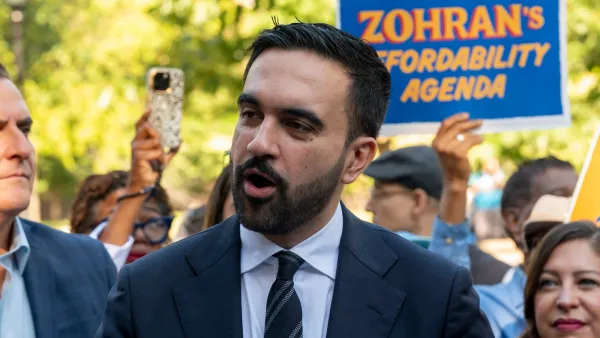
NYC landlords sue Mamdani administration over rent freeze
The suit charges the administration with unfairly promoting the rent freeze and accuses the city's Rent Guidelines Board of yielding to pressure from the mayor.
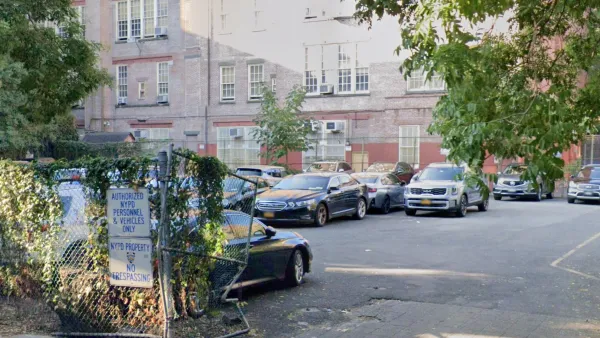
NYPD parking lot to become affordable housing as part of Mamdani's Block by Block initiative
The city awarded the lot to a group of developers to build a mixed-use project with 131 housing units.

Planetizen Federal Action Tracker
A weekly monitor of how Trump’s orders and actions are impacting planners and planning in America.

Amtrak, CN end decades-long dispute with eight-year agreement
The new operating agreement establishes an updated framework for the companies to work together, including processes to resolve disputes.

Judges permit Denver to divert 77,000 acre feet from the Colorado River for reservoir expansion
Overuse and climate change have caused the Colorado River’s water levels to plummet.

Northwest rail fans eager for Sept. 30 debut of Amtrak’s Airo fleet
Get ready for that new train smell and more seats. But they won’t go faster or run more frequently on the Cascades route in Washington and Oregon.

NYC DOT wants faster, more permanent street upgrades
The city is examining ways to build more concrete infrastructure without getting entangled in 'decades-long' projects.

'Something we’ve never seen before:' rising utility rates could strain city finances nationwide
Data centers, climate change and other factors have caused utility rates in the United States to increase by 38% since 2020.

FREE Course: Walkable City 1: Why Walkability?
After describing his path towards focusing on walkability as the essence of good planning, Jeff Speck marches through his five principal reasons for making more walkable places.
Reinventing Malls: Planning Alchemy—Turning Gray Fields Into Gold
The course focuses on the opportunities and imperatives that shape reinvention of mall sites.

Harvard University Graduate School of Design
KFH Group Inc.
Greater Baltimore Committee
The Architects Foundation
University of Cincinnati Online
The Pocatello Development Authority
The Urban Renewal Agency of the City of Pocatello