A study prepared for the McKnight Foundation’s Food for Thought series has searched far and wide for lessons for keeping Minneapolis-St. Paul a prosperous and livable place.


Over two articles for MinnPost, Jay Walljasper identifies 27 ideas for improving education, attracting young talent, encouraging diversity, boosting planning and design, and addressing a host of other issues that could benefit Minneapolis-St. Paul, or any other metro area. Each idea has been inspired by specific examples from other locales.
"I present the following ideas not as a detailed road map to a brighter future," writes Walljasper in the introduction to "27 Bright Ideas We Should Steal from the Rest of the World" [PDF], "but as a way to stimulate our own creativity to tackle problems and seize opportunities that lie ahead. In a world becoming ever more global in its outlook and operations, it’s crucial to find inspiration and borrow ideas from everywhere."
Read the full story: How to keep Minneapolis-St. Paul prosperous

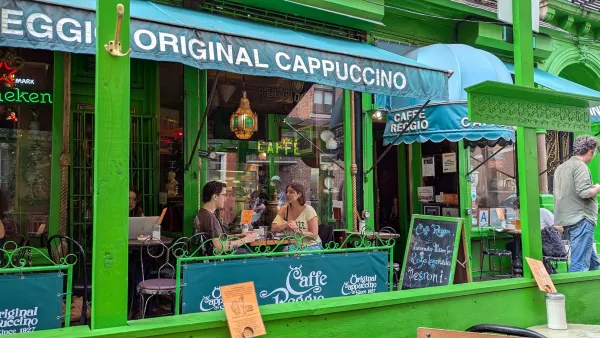
From SoHo to SoDoSoPa
How zoning made great neighborhoods illegal to build, and preordained gentrification.
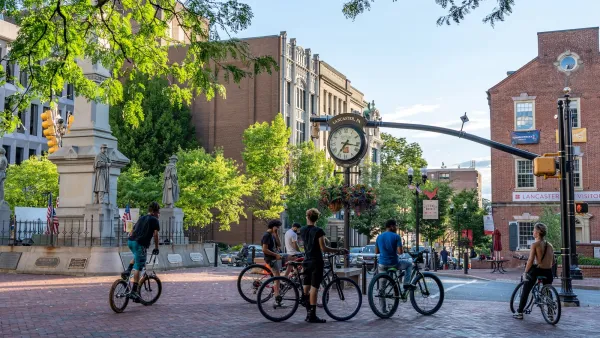
The Nation’s Best Small Cities Ranked by Livability, Affordability
A new list looks at a range of factors from housing costs to entertainment to commute times to rank the most attractive small cities in the U.S.

Singapore: A Model for Longevity and Quality of Life
Singapore's remarkable rise in life expectancy, driven by government policies on health, green spaces, and social cohesion, has earned it the distinction of being named the world's sixth “Blue Zone.”

Planetizen Federal Action Tracker
A weekly monitor of how Trump’s orders and actions are impacting planners and planning in America.

‘Going backwards:’ Baltimore mayor, students rally against state's transit funding plan
Maryland's proposed six-year plan provides no funding for Baltimore’s BMORE bus program and reduces its road maintenance funding.

Detroit to transform waterfront with $2.2 billion investment
Developers will convert about 18 acres of unused parking lot space into civic spaces.

U.S.-Iran war may have ‘devastating’ impact on cost to warm homes
Vermont and Maine residents may see a 76% increase in the cost of warming their homes this winter.

Senate bill would ‘overhaul’ environmental permitting laws
Under the proposed act, government agencies would also not be able to suspend or rescind permits after granting them.

Exemption applications for NYC’s pied-à-terre tax see 55% success rate
The city sent nearly 40% of its initial pied-à-terre tax warnings erroneously.

FREE Course: Walkable City 1: Why Walkability?
After describing his path towards focusing on walkability as the essence of good planning, Jeff Speck marches through his five principal reasons for making more walkable places.
Reinventing Malls: Planning Alchemy—Turning Gray Fields Into Gold
The course focuses on the opportunities and imperatives that shape reinvention of mall sites.

One Hundred Miles
County of Mendocino
planning NEXT
The Architects Foundation
University of Cincinnati Online
Montrose County
Northern Illinois Transit Authority (NITA)
The Pocatello Development Authority