Under a plan developed by Sasaki Associates, a 6.5-mile-long strip of vacant and derelict industrial land along the Allegheny riverfront would reconnect the surrounding neighborhood to the water with mixed use development and public open spaces.


"A long stretch along the Allegheny River in Pittsburgh, once home to steel mills, suffered, like so many cities along the Rust Belt, from the decline of local industry," writes Nicole Anderson. The Allegheny Riverfront Green Boulevard (ARGB) Study, led by Sasaki Associates with the help of Hacin + Associates, is one of several efforts of late looking to leverage the restoration of Pittsburgh's former industrial dumping grounds as the focus of the city's rebirth.
"Building on the 2010 Allegheny Riverfront Vision Plan by Perkins Eastman Architects, Sasaki Associates has conceived of a comprehensive plan that focuses on creating access to the Allegheny riverfront, developing parkland and green spaces, designing a bike-path along the railroad, turning the freight rail into a multimodal corridor with commuter rail service, and laying the groundwork for new residential developments and light industry to move into the area."
Read the full story: Steeling Beauty
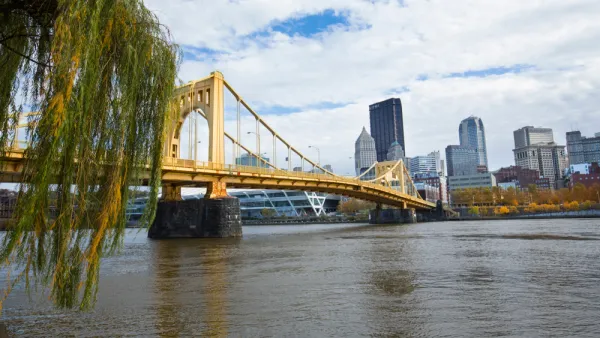
Pittsburgh's Iconic Rachel Carson Bridge Closed for Repairs Until Summer 2020
One of the symbols of Pittsburgh's status as the Steel City and the City of Bridges will be closed for repairs for all of 2019 and a good portion of 2020 as well.
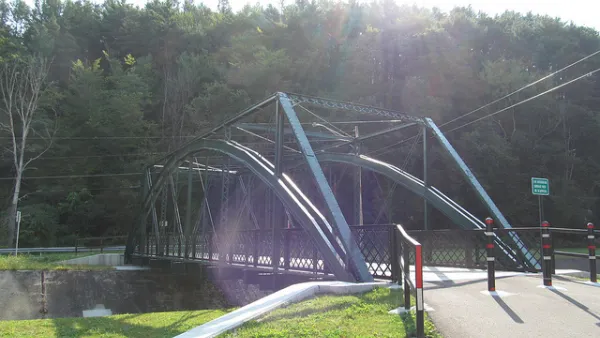
Allegheny River Town Debates Fracking Water Treatment Plant
Opponents cite environmental risks, supporters hope the facility will boost the economy of a struggling community.
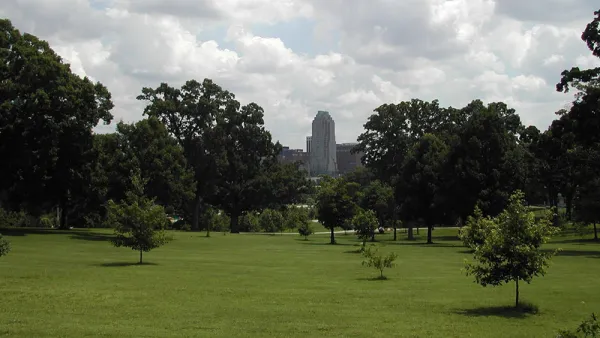
Anatomy of a Shortlist: Chasing the Design for Dix Park
Raleigh, NC has hopes for turning 300 acres of land near its downtown into a beautiful park. Elite landscape architecture firms are eager to help, and selecting the right one for the job won't be easy.

Planetizen Federal Action Tracker
A weekly monitor of how Trump’s orders and actions are impacting planners and planning in America.

California plans to bury El Niño’s downpour
If the state plays its cards right, it may be able to store a billion acre-feet of El Niño’s water in aquifers.

Desperate measures: Advocates weigh draining Lake Powell to fill Colorado River
Draining the reservoir could reduce evaporation losses by a couple hundred thousand acre-feet.

Los Angeles just elected an urban planner as its mayor
Transportation analysts are optimistic that Raman will be more aggressive in addressing transit issues than Bass.

Mamdani’s pied-à-terre tax survives legal challenge
A panel of judges found that the plaintiffs failed to demonstrate injury as a result of New York City's implementation of the tax.

Eastern Nebraska is running out of electricity
Data centers and electrification are straining eastern Nebraska’s grid, throttling economic development.

FREE Course: Walkable City 1: Why Walkability?
After describing his path towards focusing on walkability as the essence of good planning, Jeff Speck marches through his five principal reasons for making more walkable places.
Reinventing Malls: Planning Alchemy—Turning Gray Fields Into Gold
The course focuses on the opportunities and imperatives that shape reinvention of mall sites.

City of Rosemead
Rutgers University, Edward J. Bloustein School of Planning and Public Policy
One Hundred Miles
University of Michigan School for Environment and Sustainability (SEAS)
Hunter College, City University of New York (CUNY)
The Architects Foundation
City of Cambridge
Montrose County
The Pocatello Development Authority