A new study conducted by the City of New York shows that after years of phenomenal growth, commuter cycling remained flat in 2012 during the typical riding season, reports Matt Flegenheimer. However, ridership during the colder months did increase.


"From April through October, an average of 18,717 people were recorded, at the locations on weekdays from 7 a.m. to 7 p.m., down slightly from 18,846 in 2011," says Flegenheimer. "Over the three previous years, cycling had increased by 26 percent, 13 percent and 8 percent in the same period."
Not all of the ridership figures were stagnant, however. The city's Transportation Department also noted that from December 2012 through February 2013, ridership was up 23 percent over the previous year.
"But even among some advocates, the stalled momentum during the traditional riding season appeared to signal a change," notes Flegenheimer.
“The fabulous increase in cycling in the past half-dozen years has leveled off,” said Charles Komanoff, a transportation economist and longtime cycling advocate. “To some extent, the D.O.T. has done or is doing everything it can do.”
"Expanding cycling, he said, was now largely incumbent on the Police Department, which has faced persistent criticism from advocates over its inconsistent enforcement of traffic laws."
Read the full story: Commuter Cycling Stays Flat in ’12

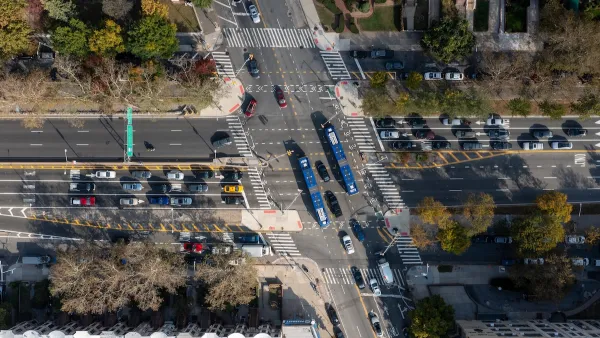
This road in NYC is infamously dangerous — and Mamdani can't fix it
New York City's Ocean Parkway is known for reckless driving, but the power to implement safety measures lies with the state rather than the city.
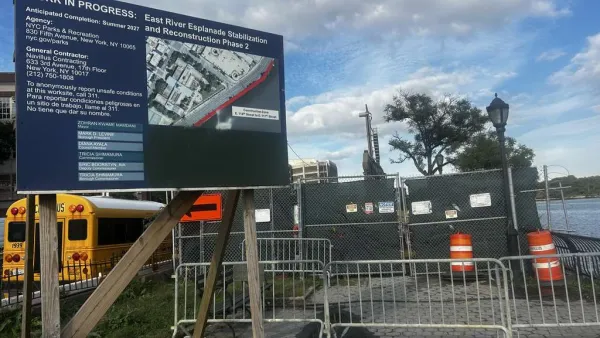
Ballooning costs delay NYC green space restoration after six years of planning
“There’s a stark inequity in how the city prioritizes infrastructure projects across different Manhattan neighborhoods," said Maria Kessler, executive director for Friends of the East River Esplanade. “Why is this neighborhood the last and unserved?”
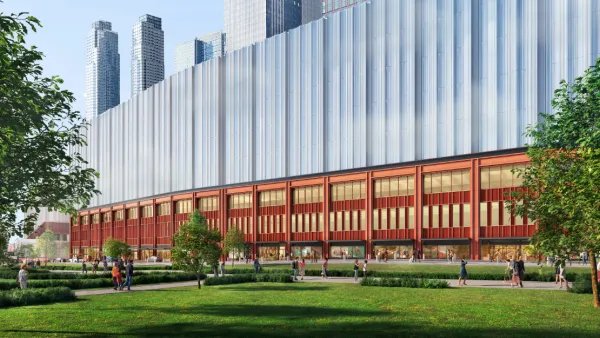
A sneak peek at NYC’s Midtown Bus Terminal rebuild
The city will turn a deck used for storage during the construction process into a park once construction is complete.

Planetizen Federal Action Tracker
A weekly monitor of how Trump’s orders and actions are impacting planners and planning in America.

California plans to bury El Niño’s downpour
If the state plays its cards right, it may be able to store a billion acre-feet of El Niño’s water in aquifers.

Chicago breaks ground on $3 billion megadevelopment
The new neighborhood, titled Foundry Park, will one day host 3,700 residences.

California High-Speed Rail Authority CEO resigns after $600,000 scandal
Under Ian Choudri, the authority used taxpayer dollars to fund first class flights and trips to nightclubs.

Want to study the Missouri River? Soon, you may need unanimous approval from 10 states
Legislation would require 10 governors’ permission to study or build projects moving water outside the basin.

Desperate measures: Advocates weigh draining Lake Powell to fill Colorado River
Draining the reservoir could reduce evaporation losses by a couple hundred thousand acre-feet.

FREE Course: Walkable City 1: Why Walkability?
After describing his path towards focusing on walkability as the essence of good planning, Jeff Speck marches through his five principal reasons for making more walkable places.
Reinventing Malls: Planning Alchemy—Turning Gray Fields Into Gold
The course focuses on the opportunities and imperatives that shape reinvention of mall sites.

City of Rosemead
Rutgers University, Edward J. Bloustein School of Planning and Public Policy
One Hundred Miles
Hunter College, City University of New York (CUNY)
The Architects Foundation
University of Cincinnati Online
City of Cambridge
Montrose County
The Pocatello Development Authority