The pending sale of historic industrial buildings in Alexandria is seen as crucial to spurring the Virginia city's waterfront redevelopment, and "fulfilling a new vision for the area."


The City of Alexandria is considering redevelopment of Robinson Terminal, a waterfront property valued at $30 million. Its current owner, The Washington Post Co. intends to sell the combined 600,000 SF of warehouse space located in two separate buildings at North and South Terminal, which are about half a mile apart.
"More than seven decades after they opened, the warehouses sit amid a patchwork of parks, low-rise office buildings, townhouses, shops and restaurants, remnants of an industrial era that existed before the waterfront evolved into a popular tourist destination and upscale neighborhood," report Jonathan O'Connell and Patricia Sullivan. "City officials, looking to further attract tourist business and expand Alexandria’s commercial tax base, consider the sites’ redevelopment critical to fulfilling a new vision for the area."
A land use plan adopted by the city council last year designates an eight block waterfront area - which includes Robinson Terminal - as a mixed-use redevelopment zone with a maximum of two 150-room hotels and plenty of commercial and residential space. The plan envisions uninterrupted public access to the waterfront.
Voices of dissent include preservationists who want to protect the industrial buildings for their historic value, open space advocate Friends of the Alexandria Waterfront and residents who are concerned that redeveloping the waterfront could be detrimental to Old Town.
The waterfront parcels are within walking distance of busy King Street, which is a major thoroughfare in Alexandria.
Read the full story: Washington Post Co. subsidiary puts Alexandria warehouses up for sale
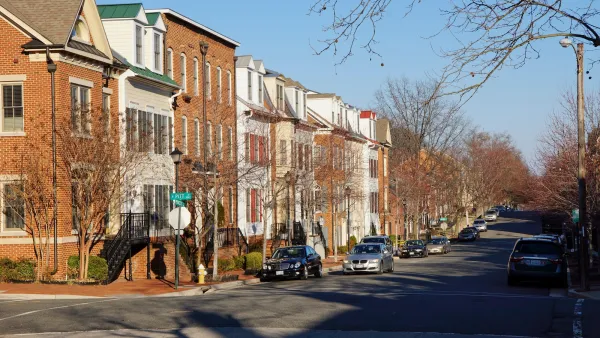
Alexandria eviction diversion program will let tenants pay back rent in installments
Eligible tenants will be allowed to make a 10% down payment on the back rent they owe and pay off the rest in installments while remaining in their home.
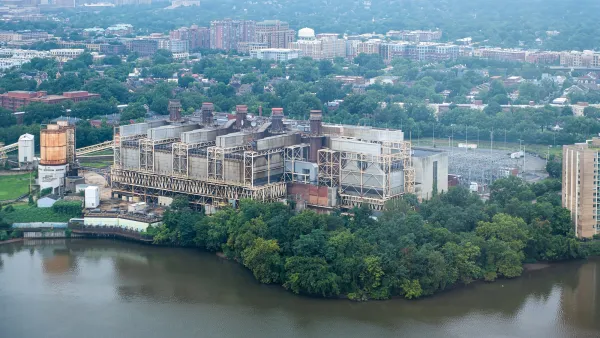
Former power plant in Alexandria to become walkable waterfront neighborhood with 800 homes
The Potomac River Generating Station was once the biggest source of air pollution in northern Virginia.
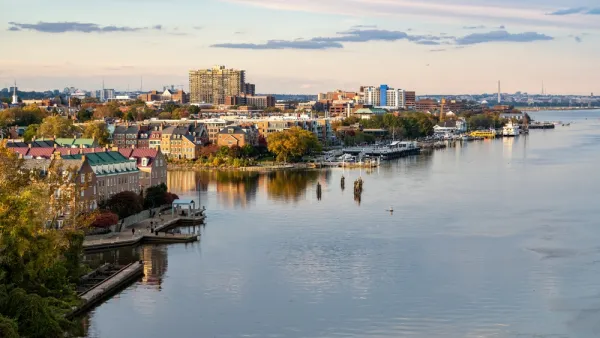
Alexandria Is Close to Fixing Its Sewage Woes
After 16 months and $615 of tunneling, Alexandria, Virginia is nearly finished digging a 2.2-mile-long tunnel beneath the city and the Potomac River that will fix its sewage overflow problem.

Planetizen Federal Action Tracker
A weekly monitor of how Trump’s orders and actions are impacting planners and planning in America.

California plans to bury El Niño’s downpour
If the state plays its cards right, it may be able to store a billion acre-feet of El Niño’s water in aquifers.

Desperate measures: Advocates weigh draining Lake Powell to fill Colorado River
Draining the reservoir could reduce evaporation losses by a couple hundred thousand acre-feet.

In Texas, data centers are swallowing promised parkland
Residents who moved to Taylor, Texas for a rural community now have to contend with three data centers in their backyard.

How a Chicago-sized wind farm beat the odds and powered on
The project spanned five presidential administrations and a standoff with a U.S. military base.

MTA gives itself 30 days to transform pit into basketball court
The site has been under construction since 2022; the city originally estimated it would finish the court in 2024.

FREE Course: Walkable City 1: Why Walkability?
After describing his path towards focusing on walkability as the essence of good planning, Jeff Speck marches through his five principal reasons for making more walkable places.
Reinventing Malls: Planning Alchemy—Turning Gray Fields Into Gold
The course focuses on the opportunities and imperatives that shape reinvention of mall sites.

City of Rosemead
Rutgers University, Edward J. Bloustein School of Planning and Public Policy
One Hundred Miles
Hunter College, City University of New York (CUNY)
The Architects Foundation
University of Cincinnati Online
City of Cambridge
Montrose County
The Pocatello Development Authority