The City of Villahermosa, Mexico, an oil industry town in Tabasco, is reclaiming space from the auto, rejuvenating their urban spaces, and on a more basic level, cleaning the water supply and modernizing their sewage systems.


Rocky Casale writes of the challenges facing Mexico's cities, particularly Villahermosa, the capital of Tabasco state and a bastion of the oil and natural gas industry:
"The problem with Villahermosa is that it was built for the car," Mayor Jesús Alí said. "We're trying to change that now by encouraging pedestrian culture and building or improving existing urban projects that eliminate traffic and ultimately put more eyes on the street" to discourage crime."
"We recognize that it's time to link people back to their parks and public spaces," Mr. Alí added.
Architect Enrique Norten of Ten Arquitectos has proposed a three-phase master plan to make Villahermosa more pedestrian-friendly. Phase 1 was completed in September.
Rejuvenation of Villahermosa's urban parks has had a major beneficial effect on the city, says Casale. "The number of robberies and sexual assaults, two of the city's largest problems, dropped significantly....Tourism meanwhile is growing."
Casale also reports on urban planning efforts in Mexico City, such as "the Sunday closure to vehicles on three of Mexico City's major streets in the historic center".
Read the full story: Rejuvenating Mexico's Polluted, Crime-Ridden Cities


Tensions flare over bike lane in Mexico City red light district
A new bikeway separates cars from the sidewalk, posing a problem for workers who typically engage in curbside negotiations with clients.
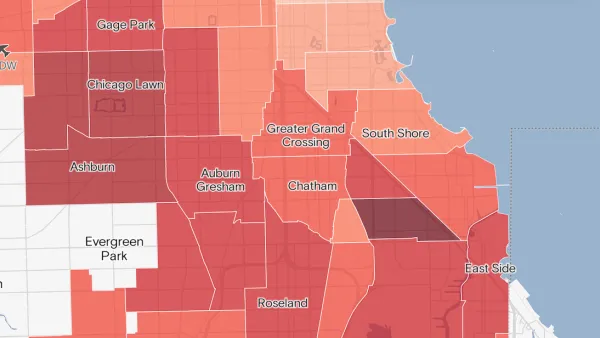
84% of Chicago's Pipes Contain Lead — and They're Not Equally Distributed
The city’s Black and Latino communities are most impacted, but the issue is widespread across the city’s water distribution network.
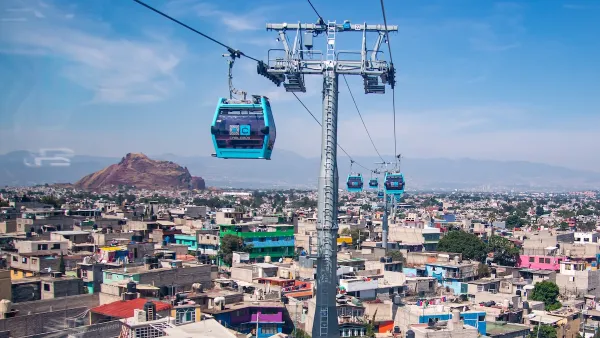
Mexico City Cable Cars Soar Above Gridlock
The Cablebús system transports more than 100,000 people each day and dramatically reduces commute times in the Mexican capital.

Planetizen Federal Action Tracker
A weekly monitor of how Trump’s orders and actions are impacting planners and planning in America.

California plans to bury El Niño’s downpour
If the state plays its cards right, it may be able to store a billion acre-feet of El Niño’s water in aquifers.

Chicago breaks ground on $3 billion megadevelopment
The new neighborhood, titled Foundry Park, will one day host 3,700 residences.

California High-Speed Rail Authority CEO resigns after $600,000 scandal
Under Ian Choudri, the authority used taxpayer dollars to fund first class flights and trips to nightclubs.

Want to study the Missouri River? Soon, you may need unanimous approval from 10 states
Legislation would require 10 governors’ permission to study or build projects moving water outside the basin.

Desperate measures: Advocates weigh draining Lake Powell to fill Colorado River
Draining the reservoir could reduce evaporation losses by a couple hundred thousand acre-feet.

FREE Course: Walkable City 1: Why Walkability?
After describing his path towards focusing on walkability as the essence of good planning, Jeff Speck marches through his five principal reasons for making more walkable places.
Reinventing Malls: Planning Alchemy—Turning Gray Fields Into Gold
The course focuses on the opportunities and imperatives that shape reinvention of mall sites.

City of Rosemead
Rutgers University, Edward J. Bloustein School of Planning and Public Policy
One Hundred Miles
Hunter College, City University of New York (CUNY)
The Architects Foundation
University of Cincinnati Online
City of Cambridge
Montrose County
The Pocatello Development Authority