An amusement park in East Berlin, abandoned for the past 11 years, will be reopened this year as a haven for public art, writes Julie Ma.


The amusement park, which opened as "Kulturpark Plänterwald" in 1969, was reborn as "Spreepark" when it was privatized after the fall of the Berlin Wall, and closed in 2011, is now home to graffiti covered dinosaur models, murky ponds, and overgrown grounds.
According to Ma, a curatorial team including George Scheer and Stephanie Sherman, directors of the Elsewhere museum in North Carolina; Spinello Projects founder Anthony Spinello; and Miami-based experimental artist Agustina Woodgate, hope to "use the ruins to shed light on Berlin's cultural history and imagine the city's future."
A series of workshops with creative thinkers are scheduled for June. "The results of the ideas from the workshops will be displayed in Kulturpark's public debut starting at the end of the month. After all that brainstorming, the team behind Kulturpark hopes to draw together a proposal for the site's future."
Read the full story: Kulturpark: An Abandoned Amusement Park Becomes a Public Art Space

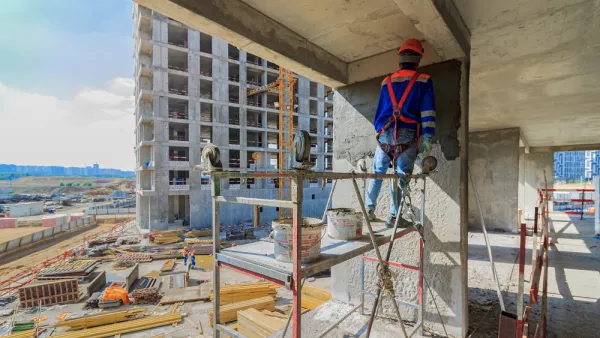
New Market-Rate Housing Lowers Rents for Everyone, According to New Research
A study published by a German researcher adds ammunition to the cause of improving housing affordability by legalizing and building new supply.
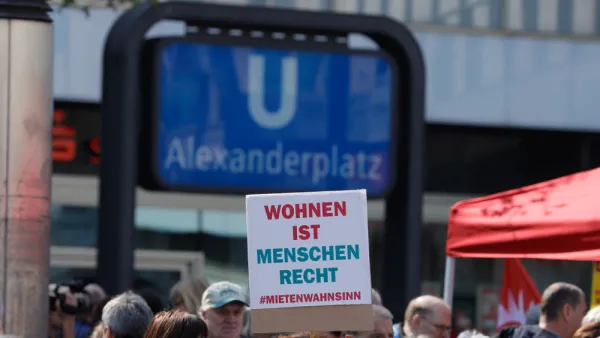
Berlin Caps Rents as Anti-Gentrification Measure
The capital city, known for its artists and party scene, is aiming to reduce gentrification by capping rent prices for a period of five years.
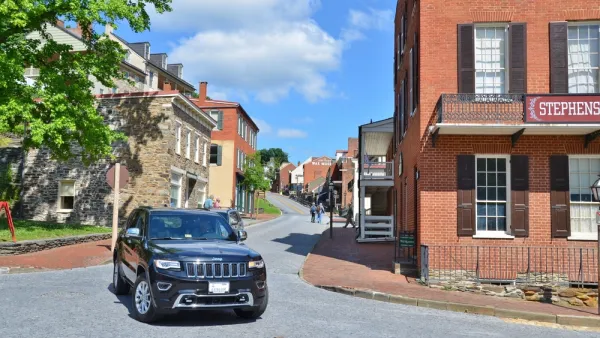
The Case for Banning SUVs
Global SUV ownership is skyrocketing, with consequences for carbon emissions and traffic safety. A few voices are now calling for bans on the large vehicles.

Planetizen Federal Action Tracker
A weekly monitor of how Trump’s orders and actions are impacting planners and planning in America.

California plans to bury El Niño’s downpour
If the state plays its cards right, it may be able to store a billion acre-feet of El Niño’s water in aquifers.

Chicago breaks ground on $3 billion megadevelopment
The new neighborhood, titled Foundry Park, will one day host 3,700 residences.

One of Denver’s busiest corridors to gain BRT
The project will span 18 miles and contain 74 bus rapid transit stations.

275,000 bus trips are at stake on Seattle's ballot
If passed, the Seattle Transit Measure would trigger a 0.3% sales tax and raise an average of $138 million per year to maintain and expand Seattle’s bus services.

Texas may pay Israeli company billions to ease water woes
Texas awarded IDE Technologies the contract for its Harbor Island project, which is slated to become the Western Hemisphere's largest desalination plant.

FREE Course: Walkable City 1: Why Walkability?
After describing his path towards focusing on walkability as the essence of good planning, Jeff Speck marches through his five principal reasons for making more walkable places.
Reinventing Malls: Planning Alchemy—Turning Gray Fields Into Gold
The course focuses on the opportunities and imperatives that shape reinvention of mall sites.

City of Rosemead
Rutgers University, Edward J. Bloustein School of Planning and Public Policy
One Hundred Miles
Hunter College, City University of New York (CUNY)
The Architects Foundation
University of Cincinnati Online
City of Cambridge
Montrose County
The Pocatello Development Authority