In an analysis of newly released census data, Wendell Cox outlines recent population trends in the fastest-growing country in the G-8.


Canada has outpaced the United States in population growth by one-third over the past five years, according to 2011 census results, with much of that growth concentrated in its six metropolitan areas (Toronto, Montréal, Vancouver, Ottawa-Gatineau, Calgary, and Edmonton).
Yet within those regions, which have added nearly 10% to their populations since 2006, urban centers have been overshadowed by their outlying suburbs. In some cases, central municipalities account for only one-fifth of the growth of their metropolitan areas.
The author of the report points to the following explanation from The Gazette:
Most of the people who leave... do so reluctantly. They are often young people with children (or who hope to have children). They enjoy the city's stimulation and its proximity to workplaces, shopping and entertainment. But they leave because there's not enough suitable housing in their price range. The taxes are also high and services spotty. Not the greatest place to raise a family.
According to Cox, these trends mirror broader patterns in American and global population movement, which may have negative implications for advocates of smart growth.
Read the full story: Special Report: Census 2011: Urban Dispersion in Canada


The Urban Revival Is (Probably) Not Over
Critiquing Richard Florida's claim that "the urban revival is over."

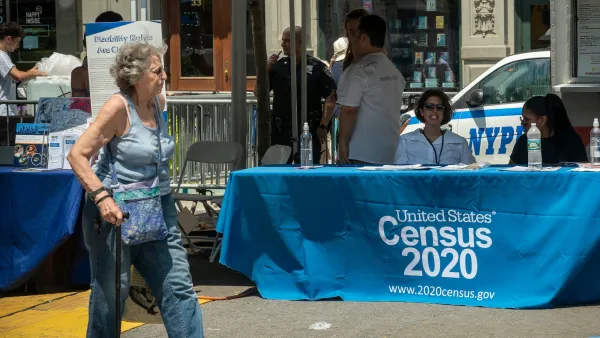
US Census Starts Using Postal Workers as Census Takers
A test program is using postal carriers to administer Census questionnaires.
Two Lawsuits Aim to Strip Immigrants, Privacy Protections From US Census
The two cases could have major impacts on how Americans are counted in the next census.

Planetizen Federal Action Tracker
A weekly monitor of how Trump’s orders and actions are impacting planners and planning in America.

‘Going backwards:’ Baltimore mayor, students rally against state's transit funding plan
Maryland's proposed six-year plan provides no funding for Baltimore’s BMORE bus program and reduces its road maintenance funding.

Detroit to transform waterfront with $2.2 billion investment
Developers will convert about 18 acres of unused parking lot space into civic spaces.

Less housing, wasted money: study reveals impact of city parking mandates
The study found that 71% of carless households in the United States pay for a parking space they don’t use.

Minnesota seeks to replace fraud-ridden Housing Stabilization Services with new program
Federal prosecutors have charged over a dozen people in fraud cases involving at least $26 million.

A multi-billion dollar problem is brewing under Oakland’s streets
Oakland’s stormwater drainage systems are in desperate need of upgrades and repairs. The El Niño will only further strain the city’s infrastructure.

FREE Course: Walkable City 1: Why Walkability?
After describing his path towards focusing on walkability as the essence of good planning, Jeff Speck marches through his five principal reasons for making more walkable places.
Reinventing Malls: Planning Alchemy—Turning Gray Fields Into Gold
The course focuses on the opportunities and imperatives that shape reinvention of mall sites.

One Hundred Miles
County of Mendocino
planning NEXT
The Architects Foundation
University of Cincinnati Online
Montrose County
Northern Illinois Transit Authority (NITA)
The Pocatello Development Authority