Sam Roberts reports on a new study of census results that found the nation’s cities are more racially integrated than at any time since 1910.


The study, published by Edward Glaeser and Jacob L. Vigdor at the Manhattan Institute, finds that suburbanization by African Americans was one of the largest factors in curtailing residential segregation in metropolitan America. Roberts writes that the report concludes that, "all-white enclaves "are effectively extinct" and that while black urban ghettos still exist they are shriveling."
For all of the progress noted by the report, however, caveats and notes of caution were sounded by the author's colleagues, and the authors themselves. "'Residential segregation has declined pervasively, as ghettos depopulate and the nation's population center shifts toward the less segregated Sunbelt,' Glaeser and Vigdor [indicated]. 'At the same time, there has been only limited progress in closing achievement and employment gaps between blacks and whites.'"
Read the full story: Segregation Curtailed in U.S. Cities, Study Finds


Chicago Pays Billions for Continued Segregation
The Urban Institute and the Metropolitan Planning Council studied the social and economic impacts of segregation in the Chicago region.
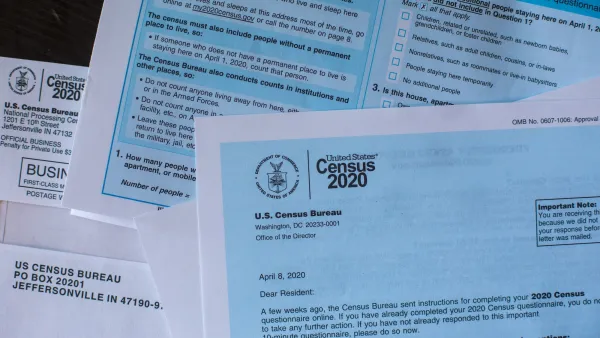
Republicans are Pushing to Make the American Community Survey Voluntary. History Shows That’s a Death Sentence for Data.
A voluntary survey will make demographic data “less accurate, less available, and less useful” — and for some rural communities, “a total blackout.”
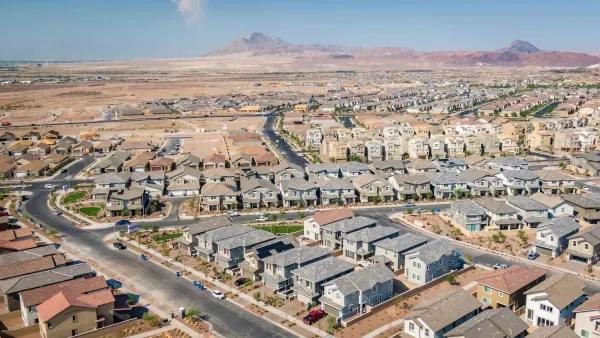
US Census Releases Most Accurate, Granular Housing Data Yet
A new measurement tool eliminates the inaccuracies that have plagued data about housing supply, helping governments more clearly understand how housing policies are impacting local needs.

Planetizen Federal Action Tracker
A weekly monitor of how Trump’s orders and actions are impacting planners and planning in America.

Amtrak, CN end decades-long dispute with eight-year agreement
The new operating agreement establishes an updated framework for the companies to work together, including processes to resolve disputes.

Judges permit Denver to divert 77,000 acre feet from the Colorado River for reservoir expansion
Overuse and climate change have caused the Colorado River’s water levels to plummet.

Philadelphia to invest $2 billion into upgrading city airports as PHL places last in customer satisfaction
Modernizations to Philadelphia's airports will include baggage system upgrades and a new automated parking garage guidance system.

The LA housing policies making developers turn away from the city
Despite LA’s housing shortage, developers say the city’s "mansion-tax" and pandemic-era policies make it an unappealing place to build housing.

New density bill would require 7 California cities to establish regional transit hubs
The bill would also require major cities in California to permit high-rise residential buildings.

FREE Course: Walkable City 1: Why Walkability?
After describing his path towards focusing on walkability as the essence of good planning, Jeff Speck marches through his five principal reasons for making more walkable places.
Reinventing Malls: Planning Alchemy—Turning Gray Fields Into Gold
The course focuses on the opportunities and imperatives that shape reinvention of mall sites.

City of Wisconsin Rapids
Harvard University Graduate School of Design
KFH Group Inc.
The Architects Foundation
University of Cincinnati Online
The Pocatello Development Authority
The Urban Renewal Agency of the City of Pocatello