Writing about 'one of the most pressing civil and human rights issues facing our nation,' Lexer Quamie sees the renewal of the nation's federal transportation law as a key tool in addressing issues impacting low-income and minority communities.


Quamie writes about the civil and human rights issues inherent in transportation policy decisions and sees transportation as "a key component in addressing poverty, unemployment, health, and community development needs."
One striking irony addressed by Quamie is that, "while transportation construction can provide good-paying jobs, many job sites in growing metropolitan and suburban areas are inaccessible to urban and rural workers without cars.....Ironic as the statement may seem, more federal funds must be made available to serve the transportation needs of public transit workers."
Read the full story: Transportation Equity a Key to Winning Full Civil Rights

How the ‘Big Beautiful Bill’ Impacts Transportation
Five ways the bill negatively impacts U.S. transportation policy.
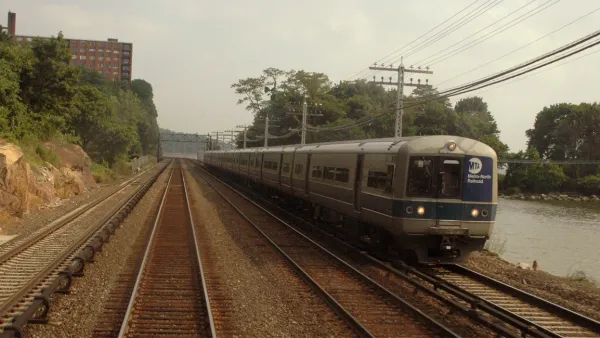
Presidential Transportation Innovations
A detailed list of each U.S. president’s contributions to transportation.
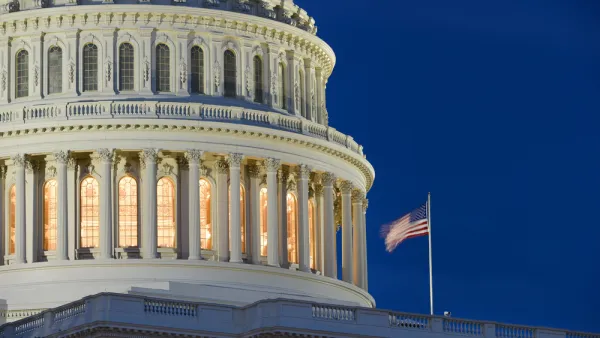
Historic 'Infrastructure Investment and Jobs Act' Passes Final Hurdle in Congress, Heads to Biden for Signature
Months after the Senate voted to approve the Infrastructure Investment and Jobs Act in a historic moment of bipartisan legislation, the House of Representatives put the finishing touches on a $1.2 trillion bill with $550 million in new spending.

Planetizen Federal Action Tracker
A weekly monitor of how Trump’s orders and actions are impacting planners and planning in America.

California plans to bury El Niño’s downpour
If the state plays its cards right, it may be able to store a billion acre-feet of El Niño’s water in aquifers.

Desperate measures: Advocates weigh draining Lake Powell to fill Colorado River
Draining the reservoir could reduce evaporation losses by a couple hundred thousand acre-feet.

Los Angeles just elected an urban planner as its mayor
Transportation analysts are optimistic that Raman will be more aggressive in addressing transit issues than Bass.

Mamdani’s pied-à-terre tax survives legal challenge
A panel of judges found that the plaintiffs failed to demonstrate injury as a result of New York City's implementation of the tax.

Eastern Nebraska is running out of electricity
Data centers and electrification are straining eastern Nebraska’s grid, throttling economic development.

FREE Course: Walkable City 1: Why Walkability?
After describing his path towards focusing on walkability as the essence of good planning, Jeff Speck marches through his five principal reasons for making more walkable places.
Reinventing Malls: Planning Alchemy—Turning Gray Fields Into Gold
The course focuses on the opportunities and imperatives that shape reinvention of mall sites.

City of Rosemead
Rutgers University, Edward J. Bloustein School of Planning and Public Policy
One Hundred Miles
University of Michigan School for Environment and Sustainability (SEAS)
Hunter College, City University of New York (CUNY)
The Architects Foundation
City of Cambridge
Montrose County
The Pocatello Development Authority