The low-cost method of construction on the residential towers of the Atlantic Yards project would be a first for any structure this tall. Sixty percent of it would be constructed off-site at a 20% cost savings.


"Construction is slated to begin next year. But before it can do so using the modular construction method, Forest City Ratner needs to reach a deal with the unions where they would agree to lower labor costs. Mr. Ratner declined to say by how much he wanted unions to shave their costs. He also declined to give a timetable for reaching a deal with the unions, but did say the first building could be constructed through conventional methods."
Read the full story: Low-cost construction set for Atlantic Yards Towers
Vacancies Come in All Forms, Even New Affordable Apartments in Brooklyn
A 298-unit, 18-story tower in Pacific Park Brooklyn opened its doors to new renters in various categories of affordability over five months ago. 27% remain empty in the higher income tiers, and unlike market-rate units, the asking rent won't drop.
The Structural Details of Brooklyn's New Modular High Rise
Modular construction is still in its infancy, but a building set for completion later this year at Atlantic Yards in Brooklyn is taking the building practice to new heights.
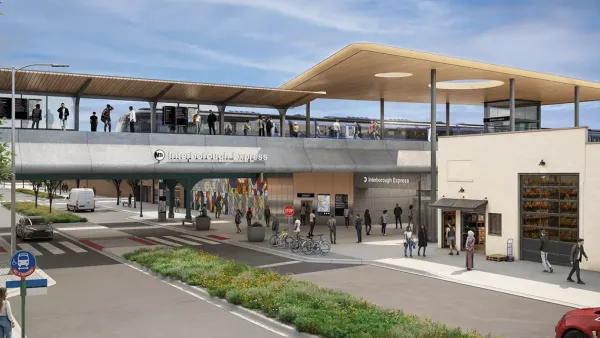
NYC releases new renderings for $5.5 billion Interborough Express
The slated stations will have a modern look, enhanced lighting and improved audio announcements.

Planetizen Federal Action Tracker
A weekly monitor of how Trump’s orders and actions are impacting planners and planning in America.

California plans to bury El Niño’s downpour
If the state plays its cards right, it may be able to store a billion acre-feet of El Niño’s water in aquifers.

Desperate measures: Advocates weigh draining Lake Powell to fill Colorado River
Draining the reservoir could reduce evaporation losses by a couple hundred thousand acre-feet.

US buildings threatened, destroyed by fires set to triple by 2060
Researchers found a high fire risk for socioeconomically vulnerable neighborhoods in the American West.

LA residents may be allowed to paint their own crosswalks
Councilwoman Katy Yaroslavsky put out a motion instructing the Los Angeles Department of Public Transportation to study the feasibility of allowing volunteers to paint crosswalks.

Dallas moves to overhaul its zoning code
The city's zoning reform will allow more multi-family and mixed-use developments.

FREE Course: Walkable City 1: Why Walkability?
After describing his path towards focusing on walkability as the essence of good planning, Jeff Speck marches through his five principal reasons for making more walkable places.
Reinventing Malls: Planning Alchemy—Turning Gray Fields Into Gold
The course focuses on the opportunities and imperatives that shape reinvention of mall sites.

City of Rosemead
Rutgers University, Edward J. Bloustein School of Planning and Public Policy
One Hundred Miles
Hunter College, City University of New York (CUNY)
The Architects Foundation
University of Cincinnati Online
City of Cambridge
Montrose County
The Pocatello Development Authority