In Aberdeen, South Dakota, the Brown County Highway Dept. has overspent its budget maintaining flood-damaged roads and foresees running out of money before the end of the year. FEMA funds and other federal dollars are late in coming.


Scott Waltman of the Aberdeen News reports, "For a third year, road crews have spent almost the entire spring and summer patching holes in roads instead of chip-sealing or doing overlay work or other general maintenance that's needed when the roads aren't badly damaged by floodwaters."
Waltman explains that the roads into and out of town are supposed to be reimbursed by the Federal Aid Secondary Highway System, and that flood-damage repairs are covered by FEMA. But:
"Generally, FEMA money is reimbursed quickly. But that's not the case now. Low on funds nationwide, FEMA is allotting its remaining money for emergency causes including removing debris and providing for housing needs resulting from major disasters such as Hurricane Irene. As a result, basic road improvements everywhere are in a holding pattern until Congress appropriates more money for the agency."
Read the full story: Highway department could go into the red

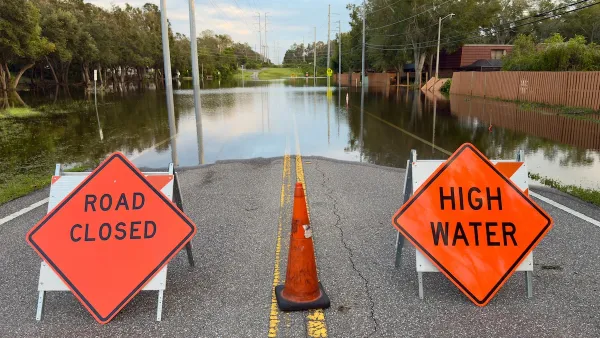
FEMA Suspends Flood Rebuilding Standard
The rule was designed to prevent the rebuilding of government-funded projects in areas prone to repeated floods.
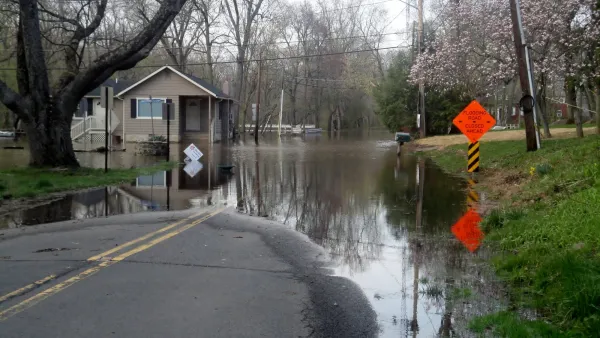
Moving People Out of Flood Zones Is a Win-Win Strategy
As the threat of flooding increases, buyout programs to relocate homeowners are a better alternative to rebuilding—for cities and residents.
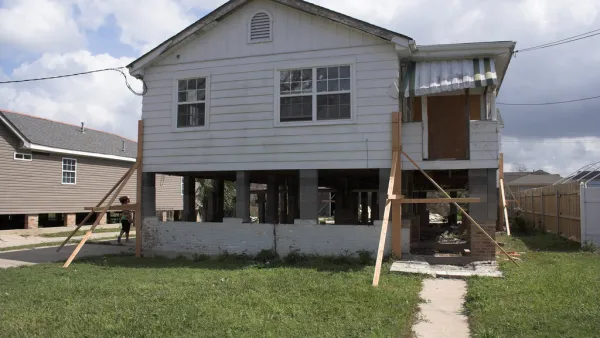
Louisiana Dials Back Requirements for Elevating Homes in Flood Areas
Housing market pressures, flood insurance costs, changing FEMA maps, and improved methods of flood control are giving victims of flood damage in Louisiana mixed signals on how high they should rebuild their homes.

Planetizen Federal Action Tracker
A weekly monitor of how Trump’s orders and actions are impacting planners and planning in America.

California plans to bury El Niño’s downpour
If the state plays its cards right, it may be able to store a billion acre-feet of El Niño’s water in aquifers.

Chicago breaks ground on $3 billion megadevelopment
The new neighborhood, titled Foundry Park, will one day host 3,700 residences.

California High-Speed Rail Authority CEO resigns after $600,000 scandal
Under Ian Choudri, the authority used taxpayer dollars to fund first class flights and trips to nightclubs.

Want to study the Missouri River? Soon, you may need unanimous approval from 10 states
Legislation would require 10 governors’ permission to study or build projects moving water outside the basin.

Desperate measures: Advocates weigh draining Lake Powell to fill Colorado River
Draining the reservoir could reduce evaporation losses by a couple hundred thousand acre-feet.

FREE Course: Walkable City 1: Why Walkability?
After describing his path towards focusing on walkability as the essence of good planning, Jeff Speck marches through his five principal reasons for making more walkable places.
Reinventing Malls: Planning Alchemy—Turning Gray Fields Into Gold
The course focuses on the opportunities and imperatives that shape reinvention of mall sites.

City of Rosemead
Rutgers University, Edward J. Bloustein School of Planning and Public Policy
One Hundred Miles
Hunter College, City University of New York (CUNY)
The Architects Foundation
University of Cincinnati Online
City of Cambridge
Montrose County
The Pocatello Development Authority