The U.S. Postal Services is considering a plan to close more than 3,600 of its 32,000 post offices. This piece from New Urban News looks at the impact of those closures on the small towns likely to be affected.


"For many communities, the closings may reduce activity in town or village centers. Even with diminishing mail volume, there are still many people who cross paths at the post office. The drawing power of post offices was recognized early by new urbanist developers such as Robert Davis in Seaside, Florida, and Buff Chace and Douglas Storrs in Mashpee, Massachusetts.
When Mashpee Commons was being built in the 1980s, Chace and Storrs included a small post office in it to bring a steady flow of people into their mixed-use center. At Seaside, Davis built a tiny Classical building near the beach, to provide postal service."
But with $8 billion in losses over the last year, the U.S. Postal Service is expected to make major cuts.
Read the full story: Over 3,600 post offices may close

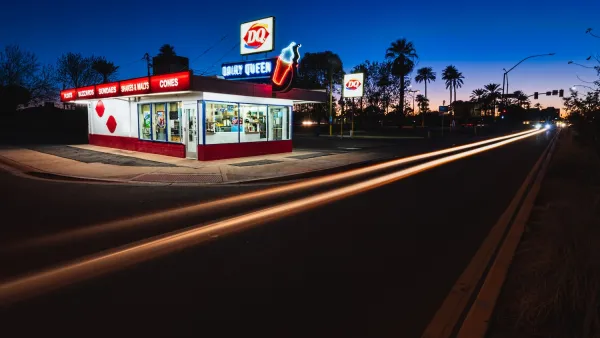
Dairy Queen and Rural Third Places
Dozens of Dairy Queen restaurants across Texas are closing, taking a critical community space with them.
Midburbs: A New Definition of Suburbs
When the name “suburb” just doesn't quite fit.
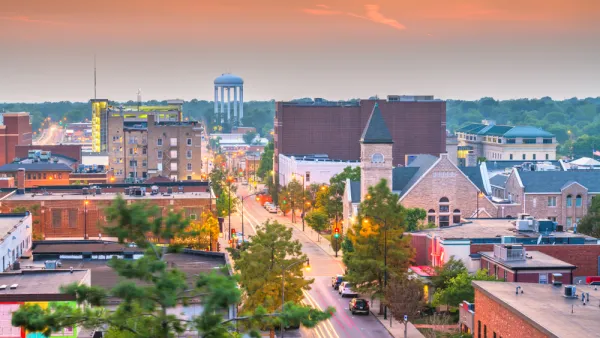
Small Towns Grow Faster Than Cities for First Time in Decades
Cities of 4 million or more people lost 600,000 residents to domestic migration.

Planetizen Federal Action Tracker
A weekly monitor of how Trump’s orders and actions are impacting planners and planning in America.

Amtrak, CN end decades-long dispute with eight-year agreement
The new operating agreement establishes an updated framework for the companies to work together, including processes to resolve disputes.

Northwest rail fans eager for Sept. 30 debut of Amtrak’s Airo fleet
Get ready for that new train smell and more seats. But they won’t go faster or run more frequently on the Cascades route in Washington and Oregon.

Trump administration unlawfully slashed $7 billion in clean energy grants, judge rules
The Environmental Protection Agency ended the Solar For All program, which provided the grants, after President Donald Trump’s inauguration.

Record-breaking wildlife overpass in Colorado brings 91% reduction in animal collisions
Prior to the overpass, vehicles were hitting one deer per day on Colorado’s Interstate 25.

California lawmakers approve just 5% of much-needed LA28 transportation funding
State legislators appear just as unwilling as Trump to pay for Olympics-related transportation projects.

FREE Course: Walkable City 1: Why Walkability?
After describing his path towards focusing on walkability as the essence of good planning, Jeff Speck marches through his five principal reasons for making more walkable places.
Reinventing Malls: Planning Alchemy—Turning Gray Fields Into Gold
The course focuses on the opportunities and imperatives that shape reinvention of mall sites.

City of Thousand Oaks
City of Wisconsin Rapids
Harvard University Graduate School of Design
The Architects Foundation
University of Cincinnati Online
The Pocatello Development Authority
The Urban Renewal Agency of the City of Pocatello