The demands of the housing market are shifting to smaller homes that are in denser locations and closer to jobs, according to a new survey from the National Association of Realtors.


Writing for The Atlantic, Richard Florida digs through the 2011 Community Preference Survey and finds a shift away from the exurban mega homes of the pre-crash era.
"The ideal home today is located closer to the workplace and mass transportation and in a neighborhood that's denser and mixed use, with amenities and businesses--parks, pharmacies, grocery stores, doctors offices, schools, restaurants--that can be walked to.
But what I find so interesting and sort of counter-intuitive is how this new American dream smacks against the old dichotomy of city and suburb. Americans may be willing to settle for smaller, they may prefer denser development, but they still relish their privacy. They want a detached house with its own walls and a yard."
Read the full story: The New American Dream: Denser, Smaller, Closer, But Still Private

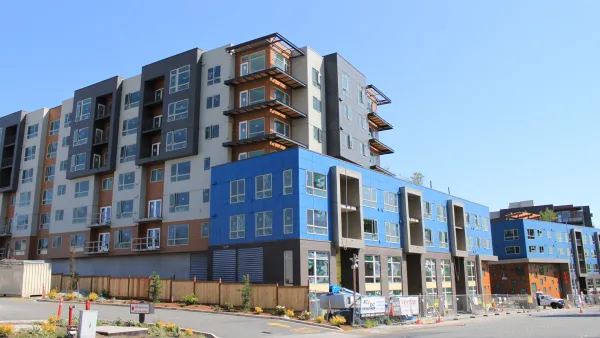
Report: Nation Short 3.8 Million Housing Units
Housing underproduction in the United States is growing more severe and more widespread.
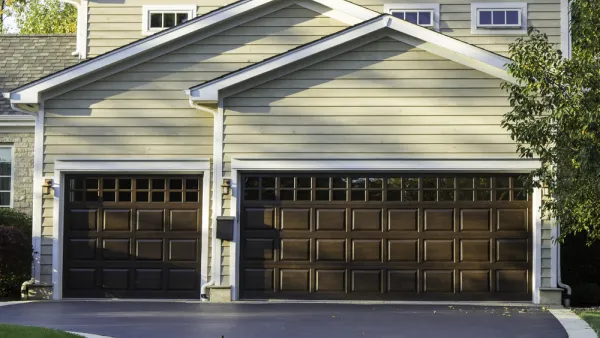
Single-Family and Build-to-Rent Homes Growing in Size
As people perform more daily functions at home, homeowners and renters are seeking larger footprints to accommodate a broader range of uses.
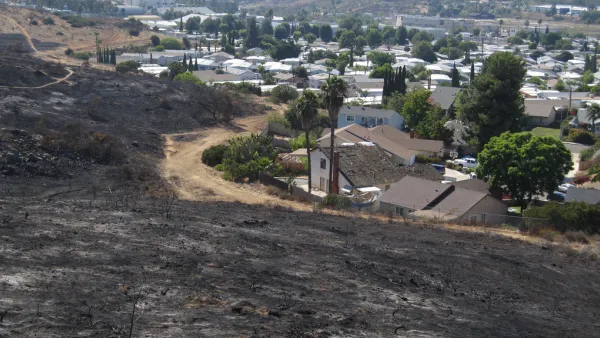
How California's Wildfires Affect Home Sales and Values
Redfin data show slower home price growth in areas recently affected by wildfires, while developers rush in to rebuild.

Planetizen Federal Action Tracker
A weekly monitor of how Trump’s orders and actions are impacting planners and planning in America.

Amtrak, CN end decades-long dispute with eight-year agreement
The new operating agreement establishes an updated framework for the companies to work together, including processes to resolve disputes.
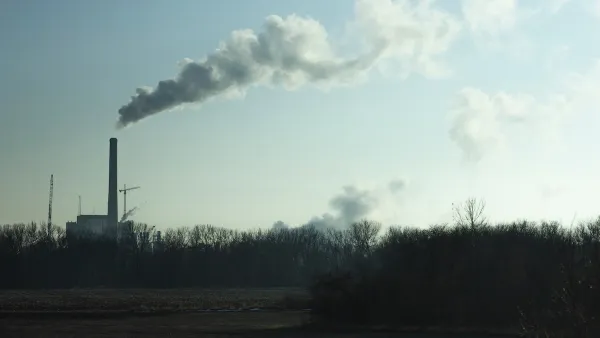
Nation's most wind-powered state turns to coal as data centers increase energy demand
For the first time in decades, Iowa has increased its generation of coal power.

Alabama scores up to $2.5 billion federal loan for largest infrastructure project in state’s history
The Mobile River Bridge and Bayway Project aims to ease congestion at Alabama’s worst bottleneck.

Trump is considering data centers on 6 states' public land — some state officials say they had no idea
If the administration approves the proposed projects, data center and data center-related developments will cover 17,600 acres of public land.

Despite court ruling, Trump is keeping nearly all wind projects in the US on hold
At least 110 wind energy projects have not heard from the government since a federal judge ruled that the Trump administration's freeze on wind turbine clearances was likely illegal.

FREE Course: Walkable City 1: Why Walkability?
After describing his path towards focusing on walkability as the essence of good planning, Jeff Speck marches through his five principal reasons for making more walkable places.
Reinventing Malls: Planning Alchemy—Turning Gray Fields Into Gold
The course focuses on the opportunities and imperatives that shape reinvention of mall sites.

KFH Group Inc.
Greater Baltimore Committee
Eagle County Government
The Architects Foundation
University of Cincinnati Online
The Pocatello Development Authority
The Urban Renewal Agency of the City of Pocatello